The Perils of Vegetable and Seed Oils
Reprinted with thanks from Ancestral Health:

Reprinted with thanks from Ancestral Health:
We regularly post on all things carnivore and organ nutrition. Any question you have we've probably written about it!
Read more on our Blog here: BLOG
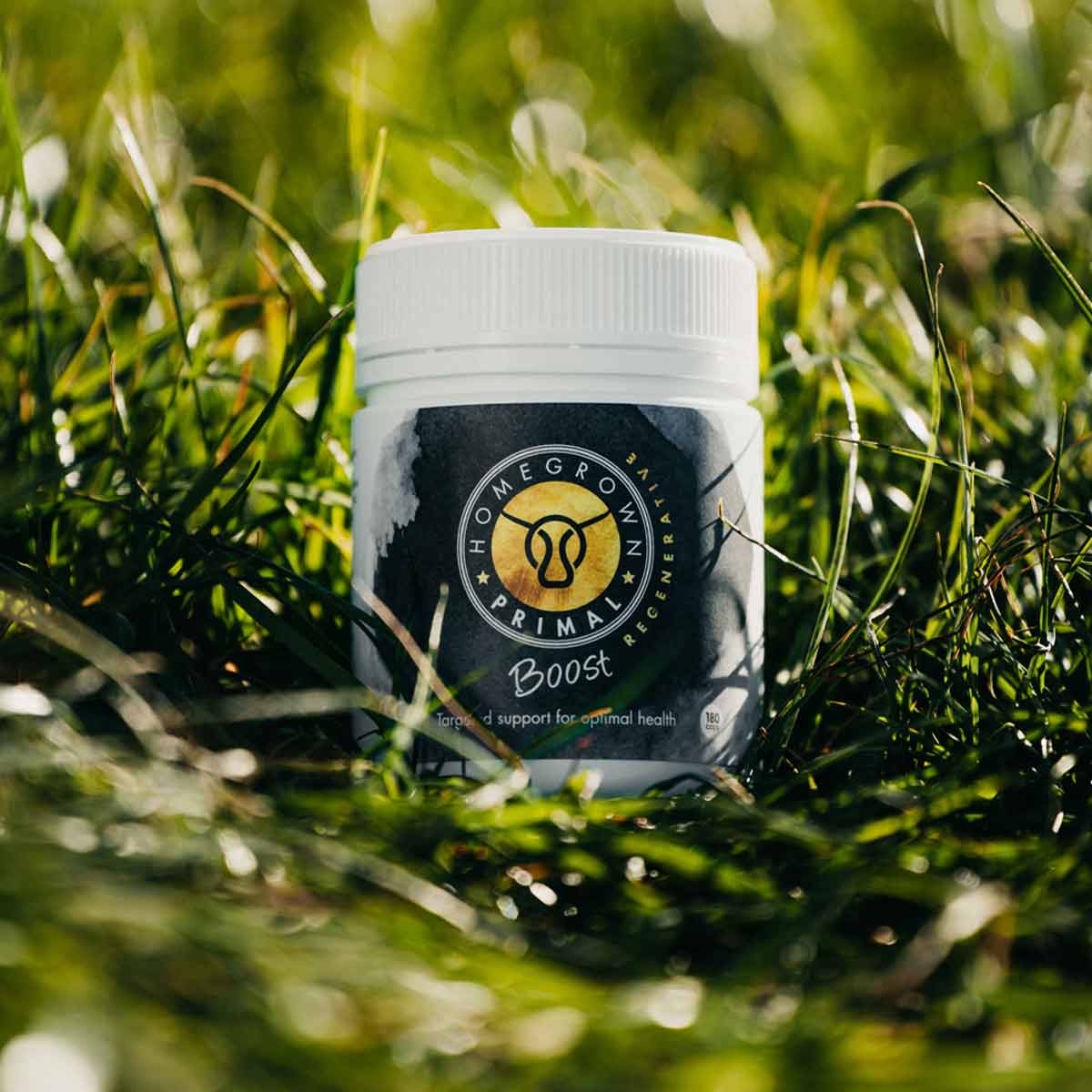
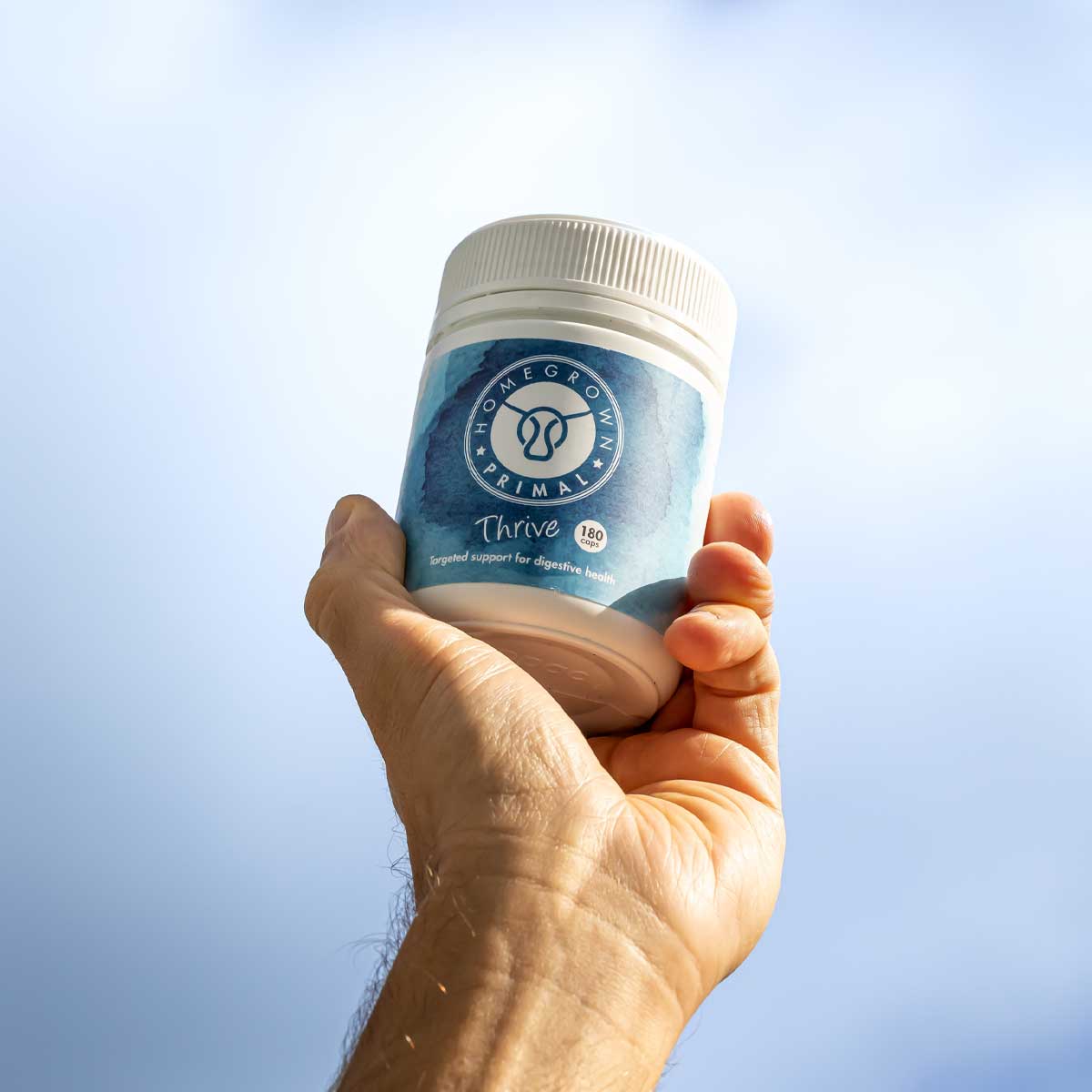
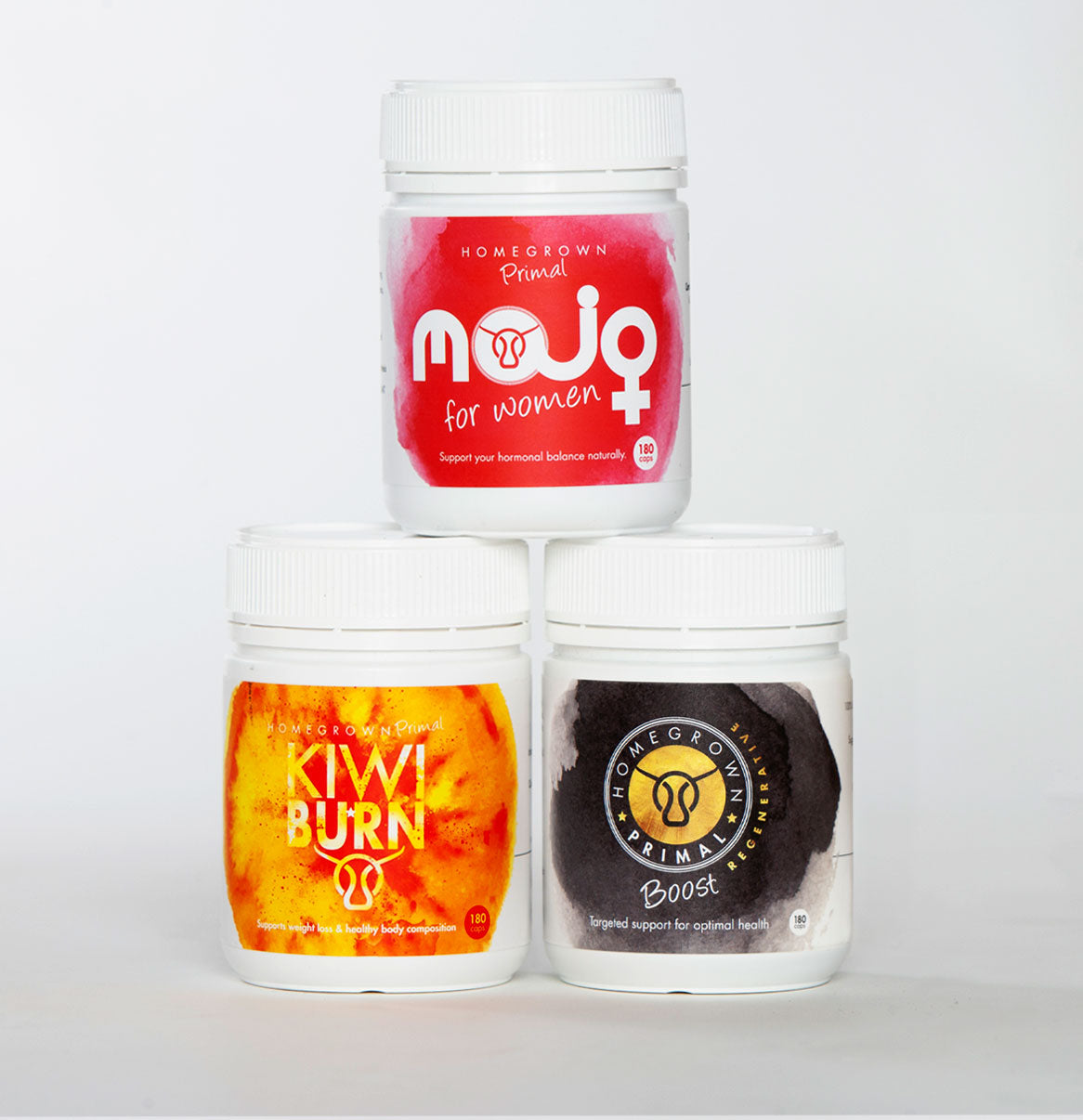
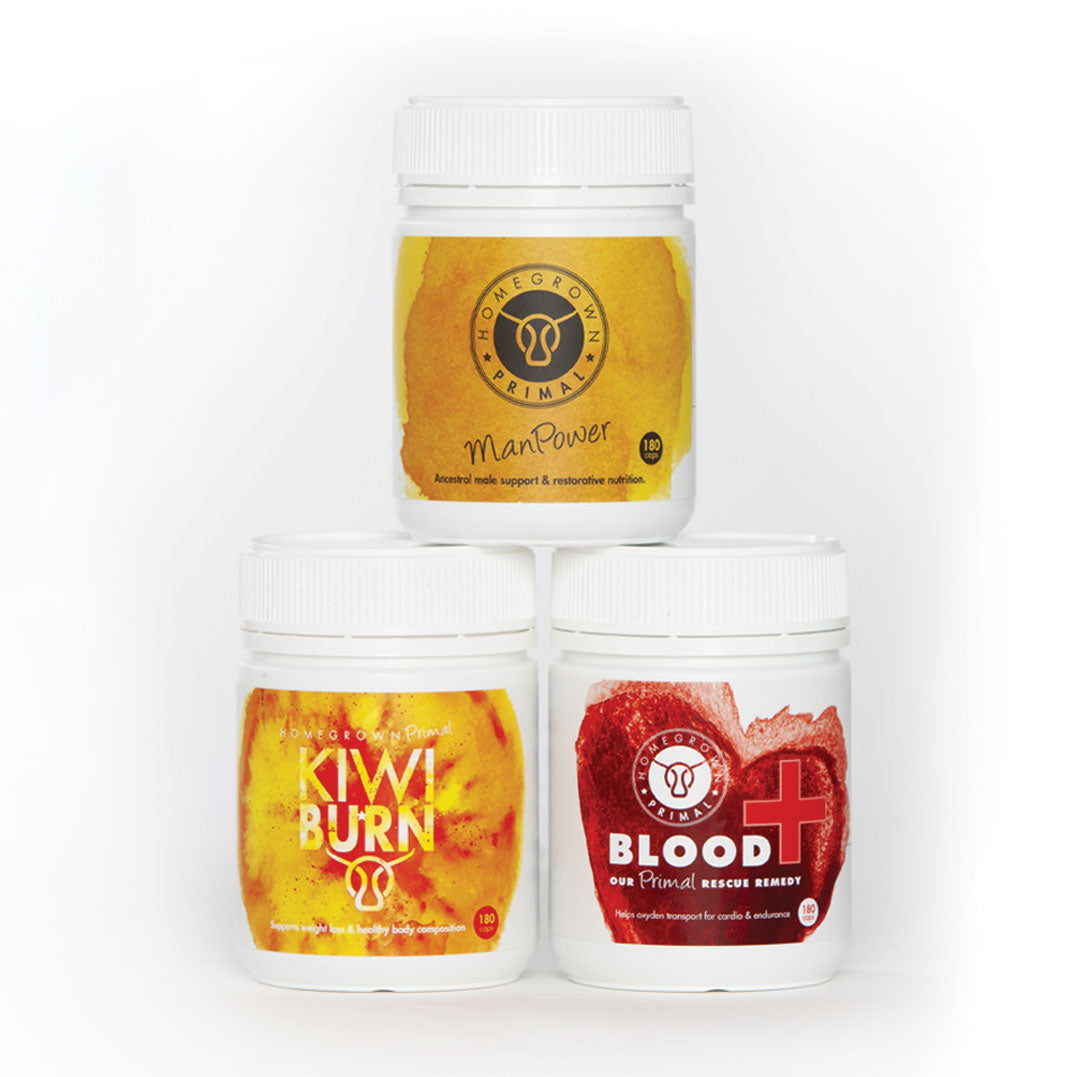
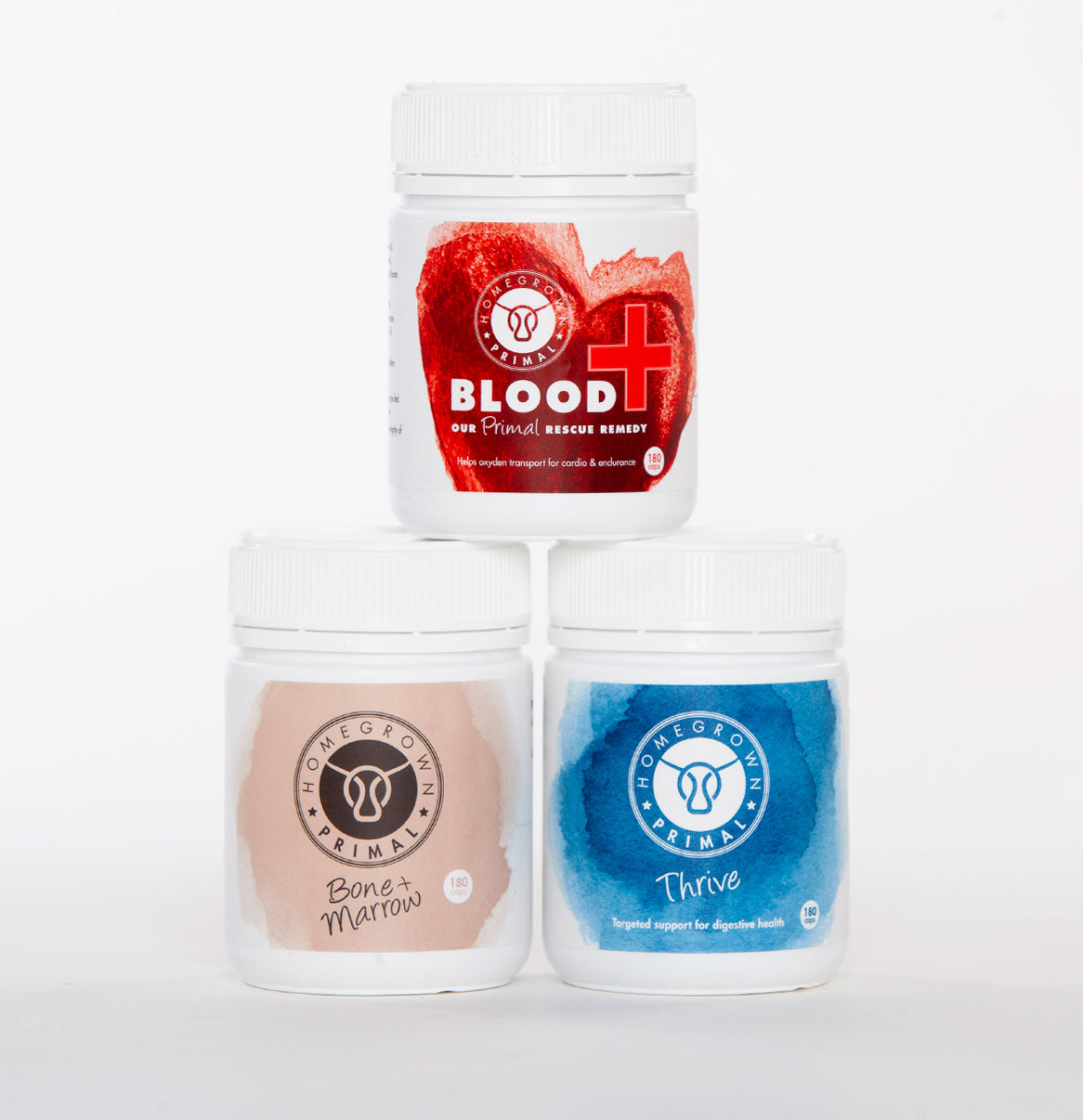
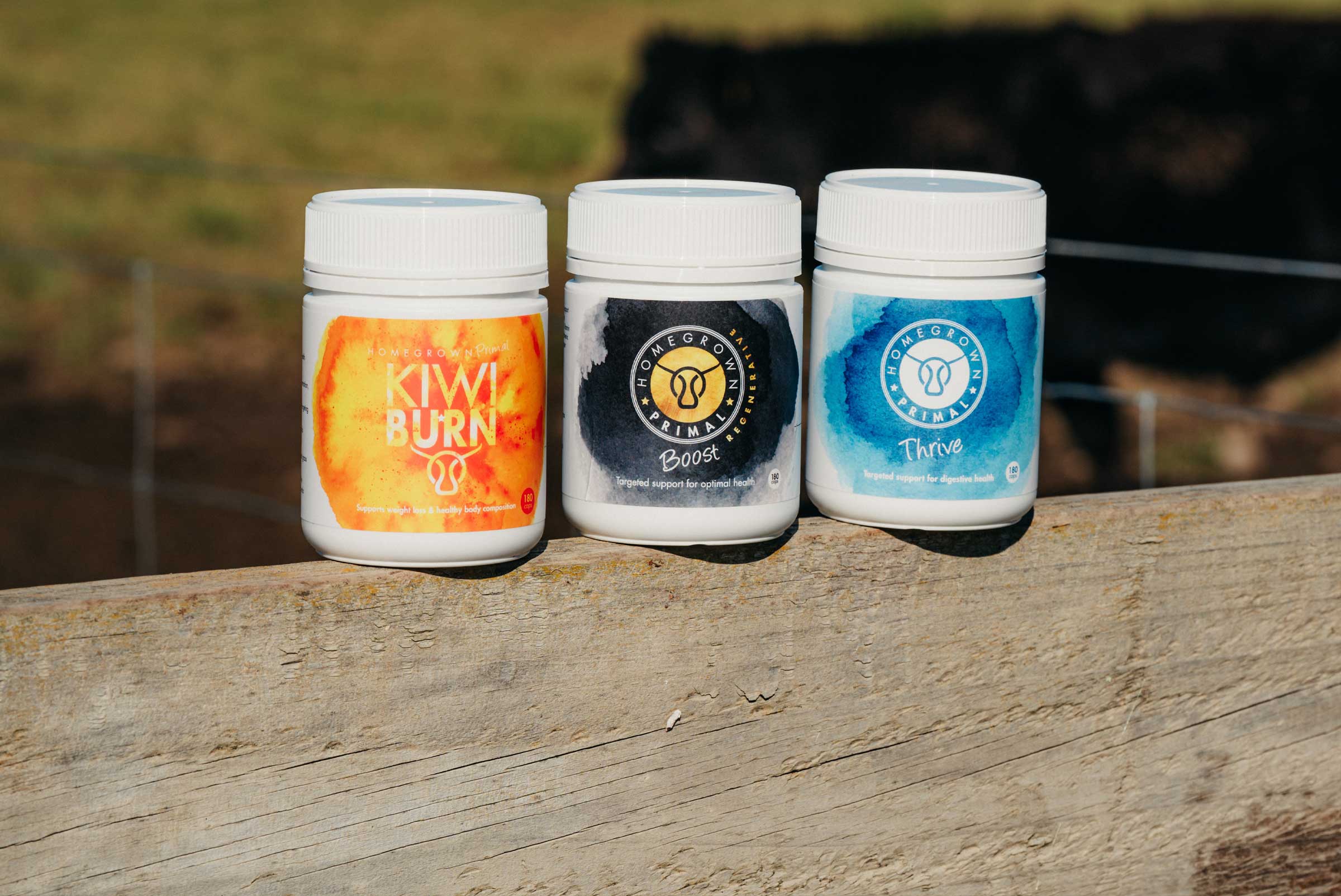
Building a Routine “I’ve been taking Complete Beast for a month and noticed how easily it has been incorporated into my daily regime and how good my body has been feeling. I've also been going to the gym every couple of days and blitzing my body. My coffee consumption has dropped and I've stopped drinking alcohol. Big changes with the Complete Beast addition. I've been feeling really well.”— Marty, HGP Why Organ Nutrition Matters If you're just started your organ journey and Complete Beast is your first experience with these nutrient-dense superfoods, then we're excited to be taking the first steps with you. Complete Beast is a fantastic entry point for adding organs into your diet. It provides a base level of nutrition and a micro-dose of essential peptides that support the body’s natural systems daily. Organs are nature's multivitamins and Complete Beast offers a unique blend of thirteen organs and glands, which provide a structured foundation of nutrition in a simple set of daily capsules. The real benefit, of course, comes from repetition. Taking them every day builds a rhythm your body can rely on. Building from the base If you're wanting to build from that foundation, you might start asking what comes next. Maybe you have low iron, you're recovering from injury, or something just feels a bit off. Where do you go from there, and what else can you take to give yourself an extra boost? For me, the products I immediately reach for are Boost and Thrive. I rotate these month by month depending on what my body needs. Together they help bring my nutritional profile closer to the Recommended Daily Intake for key nutrients like B12, Vitamin A, B6, choline and others - without making me feel overwhelmed with lots of bottles to keep track of. I know when I've got the mix right because my body tells me, and it makes me content knowing my nutritional essentials are being met. Alongside my animal-based diet, I feel so confident in the knowledge I'm fuelling my body with some of the best foods I can lay my hands on. Adjusting When Needed If I feel like my diet has been light on certain nutrients during the week, I’ll use Mojo, Ignition, or Kiwiburn to help fill those gaps. Sometimes it’s about bringing more saturated fats back into the mix when I haven’t been eating as much as usual. Other times it’s about more targeted support. One of the things I like most about our range is how easily each of our capsules complement each other. They can be rotated month by month as part of a wider routine, or used to offer more targeted support - like Mojo and Manpower - when specific areas need attention. Nothing complicated. Just tools you can use as and when you need them. When Consistency Starts to Show When you start supporting your body consistently with nutrient-dense foods you can feel the difference: Energy stabilises.Recovery improves. I love how these products anchor my day. With just a few capsules taken with coffee in the morning or a few with my food at night I know my bases are covered. It's simple. Whole Food Nutrition Made Simple It's worth remembering that Homegrown Primal products are whole-food supplements, made from 100% grass-fed and finished New Zealand beef. They’re simple, easy to take, and can effectively replace the real thing. No complicated meal planning. No trying to calculate exactly how much you should be eating. Just real nutrition, made practical. Start With the Base If you’re just getting started with organ nutrition, my advice is always the same. Start with real food and if you can't source or cook organ meats, begin with Complete Beast. Make it part of your daily rhythm and let that foundation build over time. From there, you can add other products when they make sense for you. Not because you need a complicated stack, but because sometimes the body benefits from a little extra support. In the end, the goal isn’t complexity, it’s consistency. And consistency is what turns good nutrition into long-term health.
Learn moreKnowing where your food has come from is important. When you follow an ancestral diet, sourcing is just as important as the food you eat. One of the simple principles I live by is: Know your farmer. Know your source. When you think about food this way, the way you shop changes. You look beyond the supermarket shelve and focus on the people behind the food and the passion they bring to producing it. Here's what my ancestral shopping list looks like, with some links to the amazing producers I get food from here in New Zealand. Sourcing Quality Meat in New Zealand When it comes to buying meat, I definitely have opinions about where I buy it from. Price is important, but I'm mostly guided by source. Our NZ supermarket meat is mostly sourced from the large meat abattoirs and the animal's origin is not recorded. When you care about where your food comes from and the way the animal was raised, that lack of clarity isn't ideal. That's why I often reach for Harris Meats produce (meat produced by farmers in North Canterbury) or, of course, First Light Farms who do an incredible job with regenerative farming and transparency. I have also been buying meat boxes from Middlehurst farms in Blenheim. I love the farm to table process that these producers can do now. I've recently met Fionna from Juniper Hill Farm. She has so much passion about what their farm does. It was really inspiring. I was lucky to have a chance to sit down with Logan Wait from Earth First Food at Underground Festival, too. His company is doing amazing work connecting the dots between farmers and customers so people can buy directly from producers. They're all fantastic and I recommend you check them out. Choosing Ethical Eggs and Dairy My eggs are mostly organic and always free-range, because honestly, who wants eggs from a sad chicken? When hens are raised outdoors and allowed to behave naturally, it shows in the quality of the eggs. The same principle applies to dairy. The cream I use is mostly organic and raw if I can get it. The closer food is to it's natural state, the better. Why I Avoid Supermarket Produce I don't eat any fresh produce from the supermarket. Sprays like insecticides or pesticides or mists to keep the veggies and fruit fresh are suspect! If I come across a fruit tree in someone's garden, like a fig, I will eat this. Not much, just a taste, but I always prefer food that comes straight from nature. Farmers Markets: The Best Place to Buy Real Food Farmers Markets are fantastic places to buy real food. They're full of passionate producers doing amazing things with real ingredients. When you buy directly from them, you’re not just buying food, you’re supporting the people who grow and produce it. Artisans who make specialist cheeses from their own milk always light me up. There's a buffalo farm in Canterbury that makes the best soft cheese ever! If you haven't already I suggest you find your local market and make it a weekly ritual. You'll meet some incredible producers who care deeply about what they do. Supporting Local Food Producers in New Zealand We're so lucky in New Zealand to have the most amazing food grown and raised on healthy land, and produced by passionate farmers whose feet walk their farms every day. By sourcing food from local farms, farmers markets, and ethical producers, we reconnect with the origins of what we eat. Let's support local producers and let their passion filter into our kitchens!
Learn moreThe Knife: The Simplest Tool in the Kitchen Before blenders.Before aluminium pots.Before electricity. There was a sharp edge. The earliest known stone cutting tools date back roughly 2.6 million years (Oldowan tools, East Africa). They weren’t sophisticated instruments, just sharp flakes struck from stone. But they were enough. They allowed early humans to butcher animals, slice meat, and process plant foods. The tool was simple.The act was direct.Cut. Separate. Prepare. No motor. No containment. No transformation beyond what the hand could control. Cutting Came Before Cooking Vessels Archaeological evidence shows controlled use of fire by at least 400,000–1 million years ago. Pottery, appears much later, around 20,000 years ago in East Asia, and far more recently in many parts of the world. That means for the majority of human history, food preparation did not rely on pots. It relied on cutting, scraping, trimming, and roasting. The blade prepared the food before the fire touched it. Even where earth ovens were used, such as the hāngī in New Zealand, food was cleaned, opened, and portioned with cutting tools before being placed into the ground oven. Archaeological middens in New Zealand contain: Shells with clear cut marks Bird and fish bones showing butchery Obsidian flakes (mata) found near cooking sites Obsidian fractures into edges, sharper than many modern steel blades. Māori and other Pacific cultures used these flakes for filleting fish, and cutting flesh. Again, simple tool. Direct contact. The Blade Teaches Skill And Understanding A knife demands competence. You must know: Where the joint sits. Where the muscle separates. Where the bone ends. How the grain runs. A blender requires loading and pressing a button.A knife requires knowledge. The blade teaches anatomy. It teaches structure. It teaches patience. When you break down a fish with a knife, you see its architecture. When you portion meat by hand, you understand the muscle groups. You're not removed from the food. You're learning from it. The Blade Offers Choice Cutting is selective. You choose: What stays. What is trimmed. What is kept whole. What is sliced thin. What is left intact. Blending removes distinction. A blade preserves difference. Fat is fat. Lean is lean. Skin is skin. Each part can be treated according to its nature. Choice is physical and it happens at the fingertips. The Blade Represents Relationship This may be the most important piece. When using a knife: The food is unboxed, unwrapped, visible, and touched. There is proximity. You smell it. You feel resistance. You adjust pressure. Nothing separates your hand from the food except a thin edge of steel or stone. Across cultures, the blade has always symbolised provision and responsibility. In Māori culture, the toki (adze) represented authority, leadership, and capability. While primarily associated with carving and construction, stone cutting tools and obsidian flakes were also essential in food preparation. The person holding the blade determined how food was divided. That carries weight. Simplicity as Strength The knife does not: Plug in. Hum. Spin. Encase. It does one thing well. It divides with precision. And that precision matters. Research shows that food texture and structural integrity influence: Chewing time Satiety signalling Digestion rate Glycaemic response Whole pieces of food behave differently in the body compared to mechanically homogenised food. Structure changes function. The knife preserves structure. The Modern Kitchen Drift Today, food often arrives: Vacuum-sealed Pre-cut Pre-portioned Encased in plastic Or it is reduced to liquid before it is even eaten. We have gained convenience.But we have lost contact. The blade restores contact. It slows the process. It demands presence.It brings us back in contact with our food. The Argument, Clean and Simple The knife is humanity’s original food processor. It represents: Skill. Choice. Relationship. It keeps us physically close to the food.It preserves structure.It requires knowledge.It honours anatomy. It is simple.And simplicity is powerful.
Learn moreI want to talk today about a pattern I see over and over again. Someone decides it’s time. New month. New plan. New supplements. New workout program. New diet. New rules. For 30 days, they’re all in. Then life catches up. The early mornings feel harder. The meal prep slips. The gym sessions shorten. The supplement routine becomes inconsistent. Motivation fades. And slowly, the whole thing unravels. Not because they lack discipline. But because they tried to change everything at once. Modern health culture encourages complexity. Stacks. Protocols. Biohacks. But our biology hasn’t changed. Our ancestors didn’t overhaul their lives every 30 days. They stuck to the fundamentals and repeated them. The Real Reason Health Routines Collapse Most routines fail because they’re built on intensity, not structure. When you overhaul: Your diet Your training Your sleep Your supplementation… all in the same week, you create friction in every area of life. And friction drains willpower. Your nervous system doesn’t love radical shifts. It loves rhythm. Health that lasts is built the same way strength is built. One repetition at a time. The Problem With “All or Nothing” The wellness industry rewards extremes. 30-day resets. Hard detoxes. Complete lifestyle overhauls. But humans struggle to sustain extremes. We sustain foundations. The people who feel strong in their 40s, 50s and beyond aren’t constantly restarting. They’ve built one base habit so solid it carries everything else. That’s the difference. A 3-Step Framework That Actually Lasts If your health routines keep stalling after 30 days, simplify. Here’s how: 1. Choose One Anchor Habit One. Not five. Not ten. One habit that feels foundational to your health. It could be: A glass of water when you wake up Eating a protein-rich lunch Taking your organ supplements daily Walking for 20 minutes after dinner Lifting weights three times a week Your anchor habit should: Be simple Be repeatable Support your energy Support your metabolism Support your resilience It should feel like a base layer, not an extra burden. For many in our community, that base layer is simply ensuring their nutritional foundations are covered every day. No guesswork. No complicated stacking. Just consistent nourishment. 2. Make It Your Foundation This is where most people go wrong. They treat habits as temporary projects. Instead, your anchor habit becomes non-negotiable. It’s not “when I feel motivated.” It’s not “when life is calm.” It’s your baseline. Think of it like brushing your teeth. You don’t debate it. You just do it. When your foundation is solid, everything else becomes easier: Energy stabilises. Cravings reduce. Training feels more supported. Focus improves. Foundational nutrition is often the quiet driver behind sustainable change. When your body receives what it actually recognises, it stops fighting you. That’s why we created Complete Beast, a simple, nose-to-tail foundation designed to support everyday nourishment without complexity. No synthetic stacks. No rotating protocols. Just whole-food organ support in one place. 3. Build From There and Track Consistency, Not Perfection Once your anchor habit feels automatic (usually 4–6 weeks), then you add one more layer. For example: Add strength training Or Meditation Improve your bedtime routine Limit screen time Or refine food quality But only once the base is stable. And when you track progress, don’t track perfection. Track consistency. Did you show up 80% of the time? That’s success. Health isn’t built in perfect streaks. It’s built in accumulated days. Small wins, stacked quietly. What Real Progress Looks Like It doesn’t look dramatic. It looks like: Fewer energy crashes Clearer thinking Stronger training sessions Better recovery Steady resilience Nothing flashy. Just stability. And stability compounds. That’s the philosophy behind modern ancestral nutrition. Simple inputs. Recognisable nutrients. Daily rhythm. Pure nutrition lasts because it’s consistent. Before You Start Another 30-Day Plan… Ask yourself: What is my one anchor? Build that. Protect it. Repeat it. Everything else can come later. Strength in simplicity always outlasts intensity. And your body will thank you for choosing consistency over chaos.
Learn more