Christmas for me has always been about connection.
And food has always been the bridge.
I love this time of year, all the chatter about who’s bringing what on Christmas Day, the shared planning, the anticipation. Food naturally pulls us together.
Being animal-based gives us a chance to bring something meaningful to the table, and to make it a little festive too.
This year, Marty and I are both heading to a family lunch. We’re bringing a roast leg of lamb, slow-cooked with garlic and rosemary. It’s one of my favourite meats, because it really is the gift that keeps on giving - hot on the day, then cold the next. We’ve grown used to eating cold meat, without bread, just adding some pickle or some kraut. Delicious.
Shared meat has always brought humans together.
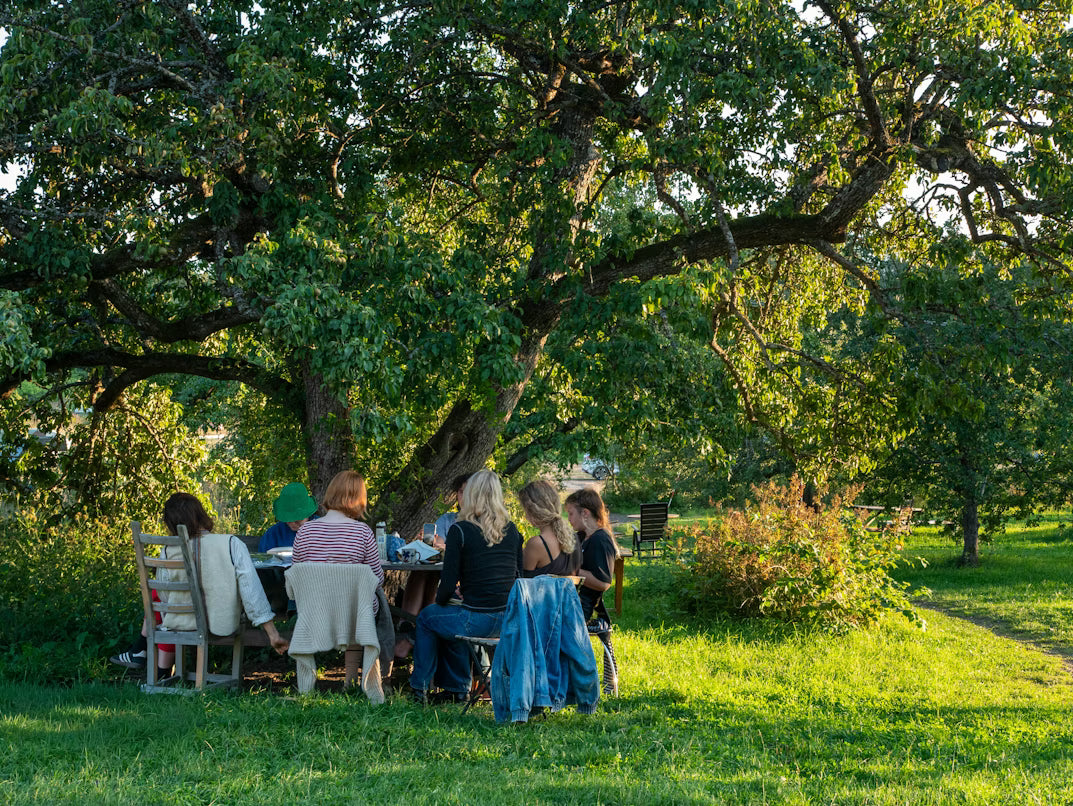
Our family knows how we choose to eat, and it’s always a conversation starter. We both look and feel healthy, and that opens the door to good discussions; sometimes curious ones. Sometimes lively ones - especially when there are vegetarians around. And that’s okay. Our food becomes a conversation starter, a subject for debate, a path towards connection.
Sharing food from the same platter is what humans do.
For most of our history, celebration and feasting went hand in hand.
When there was something worth marking - a successful hunt, a season of abundance, a gathering of family - people didn’t pick at plates or try to balance things out.
They ate well. Together.
Meat was central, not because of trends or rules, but because it was the most valuable, nourishing food available. It took effort to source and prepare, and that effort made it meaningful. Feasting wasn’t reckless; it was intentional.
Christmas carries that same energy.
It’s a pause in the year. A moment to gather, to rest, to reconnect. And historically, moments like that were always marked with abundance, not restraint.
Somewhere along the way, especially in our summer Christmas culture, we swapped feasting for keeping things light.
Plates full of salads, breads, and sweet treats that look festive, but often leave us unsatisfied. Grazing all day, crashing later - still searching for something.
An ancestral banquet is different.
It’s generous cuts of meat.
Food that anchors you.
A table that invites people to sit, slow down, and actually eat, not just snack between conversations.
This doesn’t mean heavy or complicated. It means intentional. Choosing foods that truly nourish the body, so you can enjoy the day without crashes, cravings, or that familiar Boxing Day regret.
Our bodies still recognise what a feast is.
And Christmas is one of the few moments left in the year when we have the time to eat together, linger at the table, and leave feeling satisfied, both physically and emotionally.
So, if your Christmas table looks a little more meat-heavy this year, you’re not doing something extreme.
You’re doing something very old.
Very human.
A celebration deserves real food.
A gathering deserves abundance.
And Christmas deserves to feel as good as it looks.
Christmas Eating FAQs
Do I have to be strict on Christmas Day?
No, and that’s not the goal.
Animal-based eating isn’t about white-knuckling your way through Christmas. It’s about staying anchored in foods that nourish you most of the time, even on special days.
Start with meat. Eat until you’re satisfied. From there, you get to choose — without guilt or urgency. One day doesn’t undo anything, and Christmas isn’t a test of discipline. It’s a celebration.
Isn’t animal-based eating too heavy for a summer Christmas?
Heavy isn’t about meat; it’s about unstable blood sugar.
Protein and fat are actually what keep energy steady in the heat. Most people feel worse after a “light” Christmas of salads, bread, and sugar because they’re constantly grazing and crashing.
A meat-centred plate keeps you satisfied, clear-headed, and able to enjoy the day, without needing to eat every hour.
What if my family doesn’t eat this way?
That’s okay, they don’t need to.
You don’t have to convince, explain to, or convert anyone at the Christmas table. Often, the simplest approach is to quietly fill your plate with the foods that work for you.
If you’re hosting or bringing a dish, make it generous and delicious. Let the food speak for itself. Connection matters more than agreement.
What about Christmas desserts?
This is where intention beats rules.
If you’re well-fed on meat and fat, dessert becomes a choice, not a compulsion. Some people skip it entirely and feel great. Others enjoy a small amount and move on.
There’s no prize for deprivation and no benefit to guilt. Eat in a way that lets you enjoy the day and how you feel afterwards.
What if I “fall off” over the holidays?
You haven’t failed, you’re human.
One meal, one day, or even one week doesn’t erase anything. The most animal-based thing you can do is return to nourishment without drama.
No punishment. No restriction. Just real food, again. The body responds very quickly when you give it what it needs.
A Final Christmas Reminder
Animal-based eating at Christmas isn’t about perfection.
It’s about presence, nourishment, and staying connected to yourself and the people around you.
Eat the meat. Enjoy the day. Let Christmas be Christmas.