I was on Instagram this morning, and it made me genuinely happy to see that the regenerative farming message is slowly making its way into the mainstream.
In New Zealand, we’ve been talking about organics for years. Over time, we’ve commodified it, standardised it, and built certification systems around it. It’s now widely accepted, and it’s been roughly 80 years since the organic movement began here in Aotearoa.
But regenerative farming is different.
It’s not a brand. And it’s not just a certification.
What is regenerative farming?
Regenerative farming is a set of principles and practices that aim to improve the land over time, not just “do less harm.”
It focuses on outcomes like:
- Healthier, living soils.
- Stronger pasture diversity.
- Better water cycles and biodiversity.
- Animals raised in a way that supports the land rather than depleting it.
There isn’t currently a reliable national certification that captures “regenerative farming” in the same way certified organics does. That’s partly because regenerative farming isn’t about ticking boxes, it’s about outcomes. Healthier soil. Healthier animals. Healthier ecosystems over time.
It’s farming that builds. Farming that restores.
How organics began, and why it still matters.
Organics happened because the farming industry needed to support yields without relying on imported fertiliser that became scarce in the 1940s. It was a response to soil decline and a growing concern about the long-term effects of synthetic agricultural chemicals.
Today, organics is still a preferred choice for many, especially plant-based consumers and those wanting reassurance about how their food is produced.
Why the conversation is shifting for meat in New Zealand
When it comes to meat, the conversation is evolving.
Many cattle farmers in New Zealand are now adopting regenerative practices because of their commitment to healthy soil and healthy animals. While organic meat can be hard to find, regenerative farms are increasingly becoming the front and centre of meat production in this country.
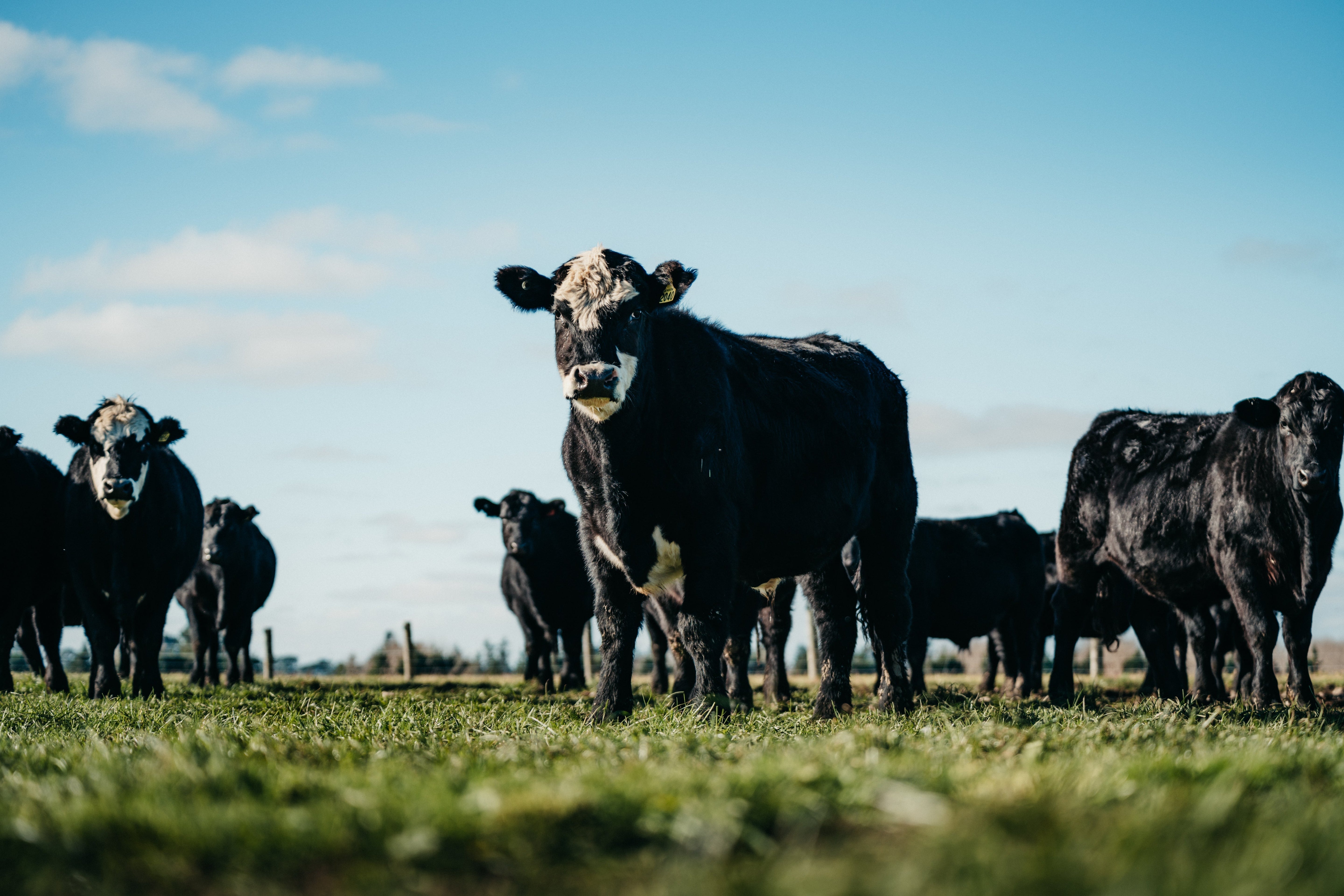
On regenerative farms, cattle are raised on diverse pastures grown in living soil systems, systems designed to support both the animal and the land.
Regenerative vs Organic
Here’s the truth: grass-fed cattle raised on regenerative farms are often superior to organic cattle, simply because they’re eating what they’re designed to eat.
Organic standards can still allow grain feeding in some systems. And when cattle eat grain, it can shift their fat profile away from what we see in fully pasture-raised animals.
Regenerative cattle, on the other hand, are typically raised on pastures built for them. Pastures designed to nourish animals, restore the soil, and work with nature rather than against it.
This focus on pasture-first systems is one of the key reasons regenerative farming matters so much when it comes to meat quality and whole-food nutrition.
Why Homegrown Primal sources from regenerative farms
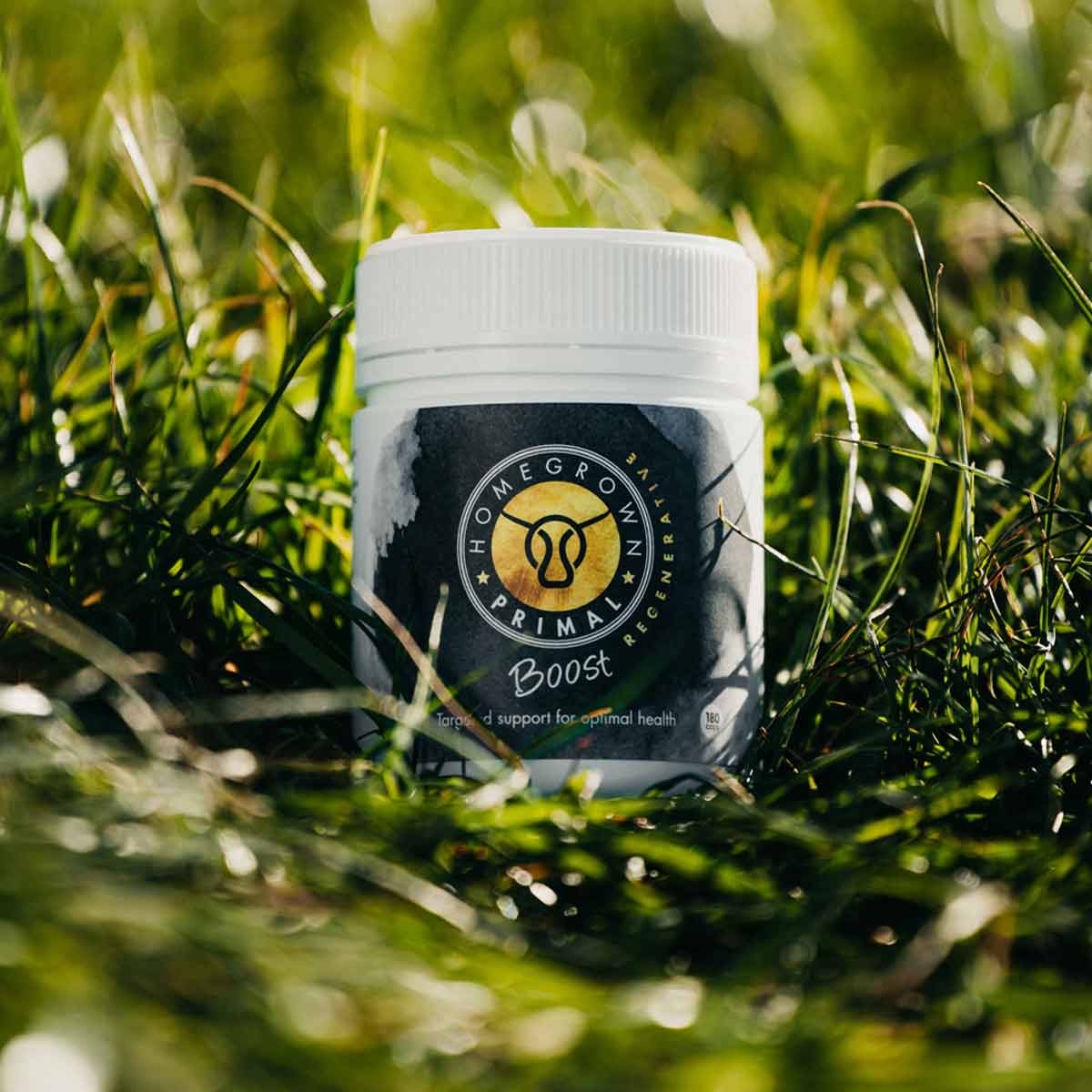
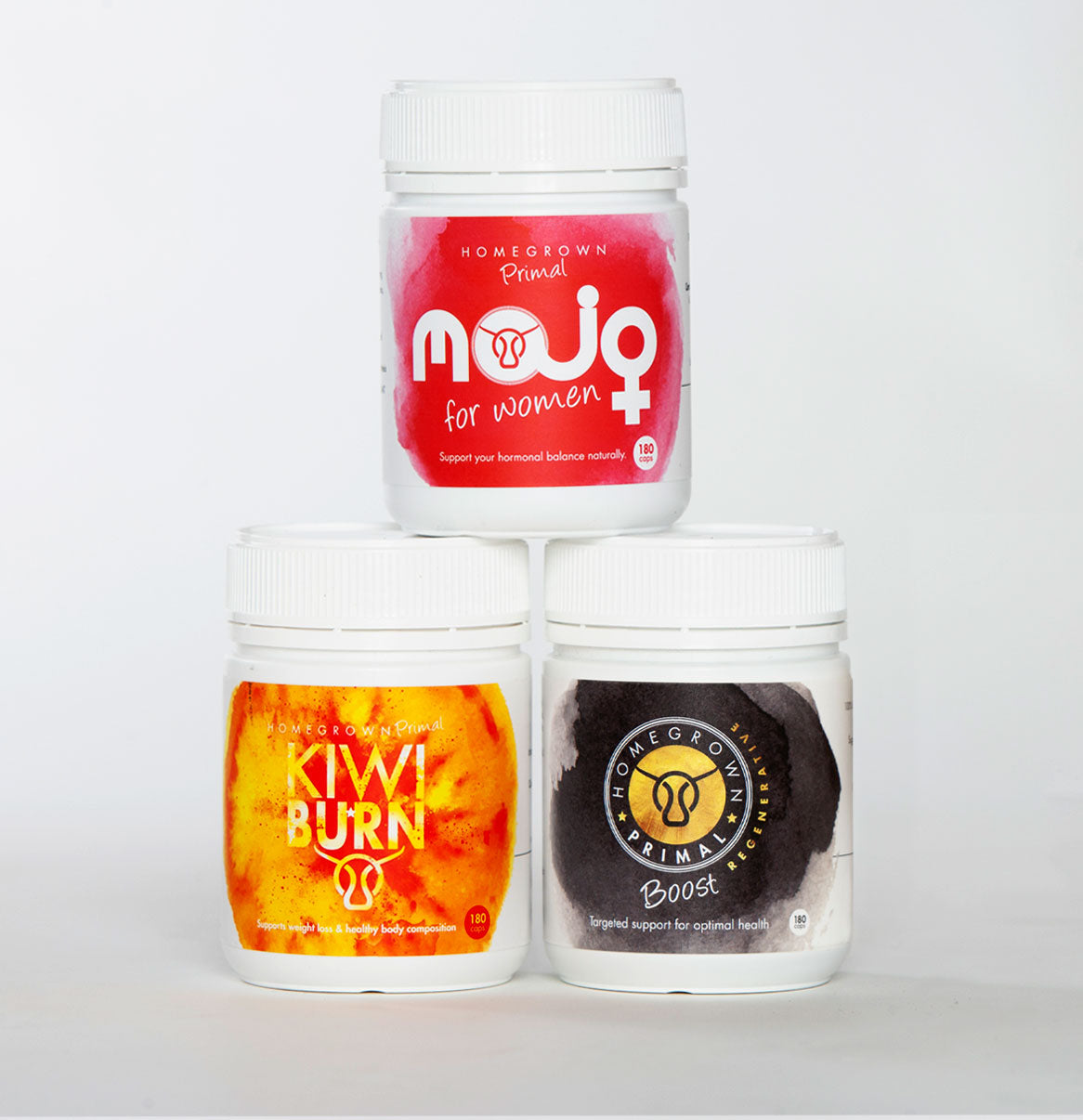
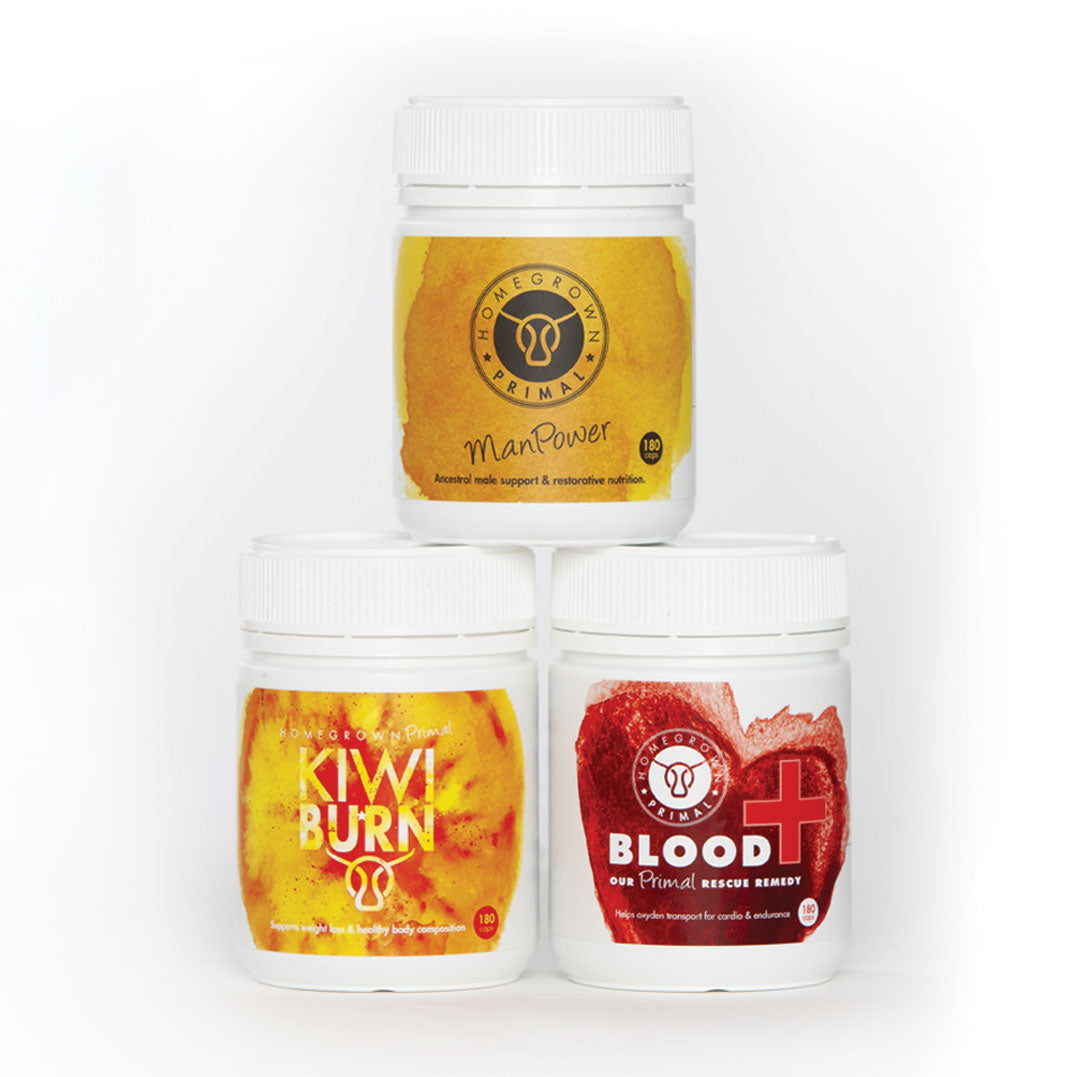
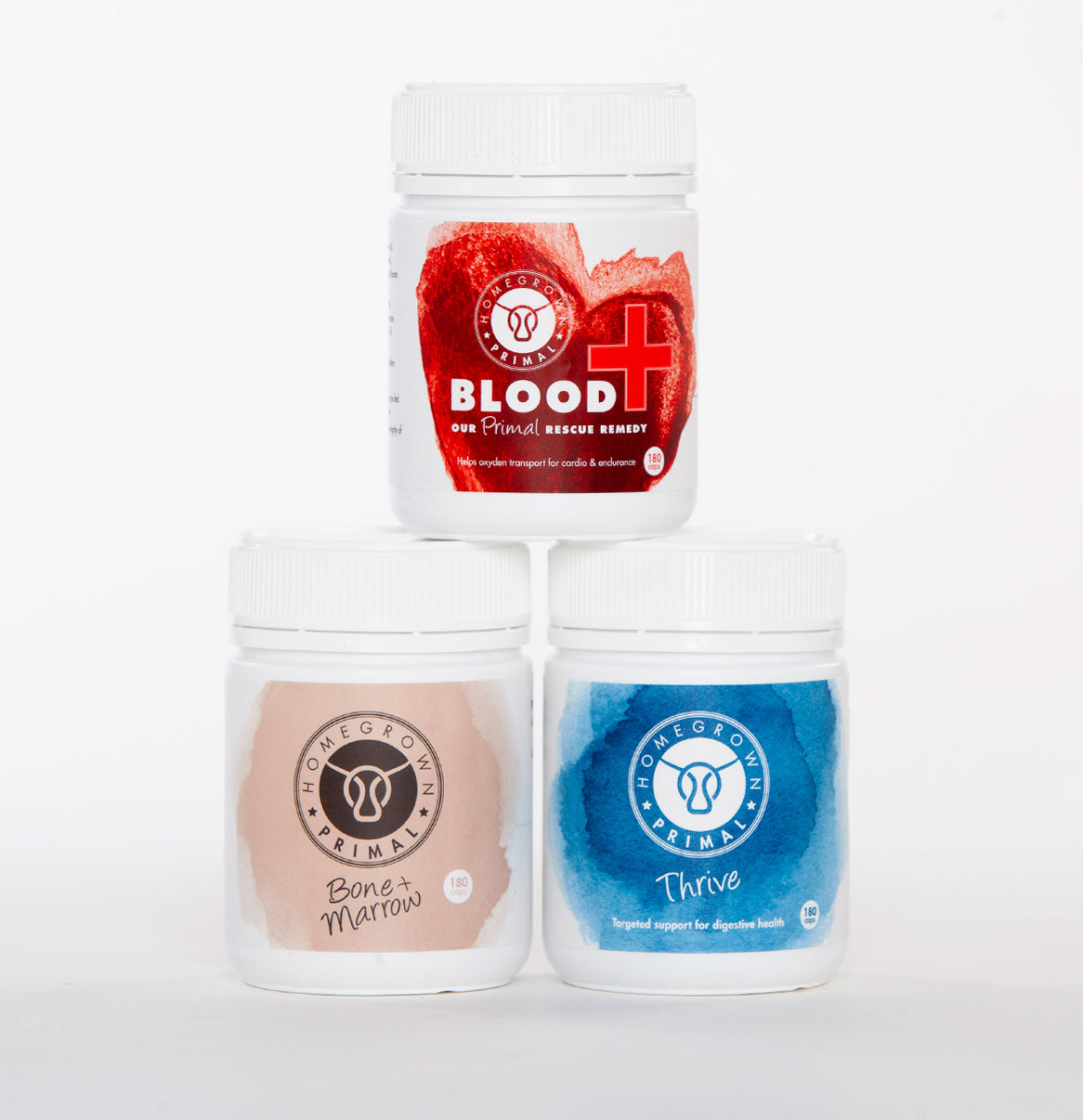
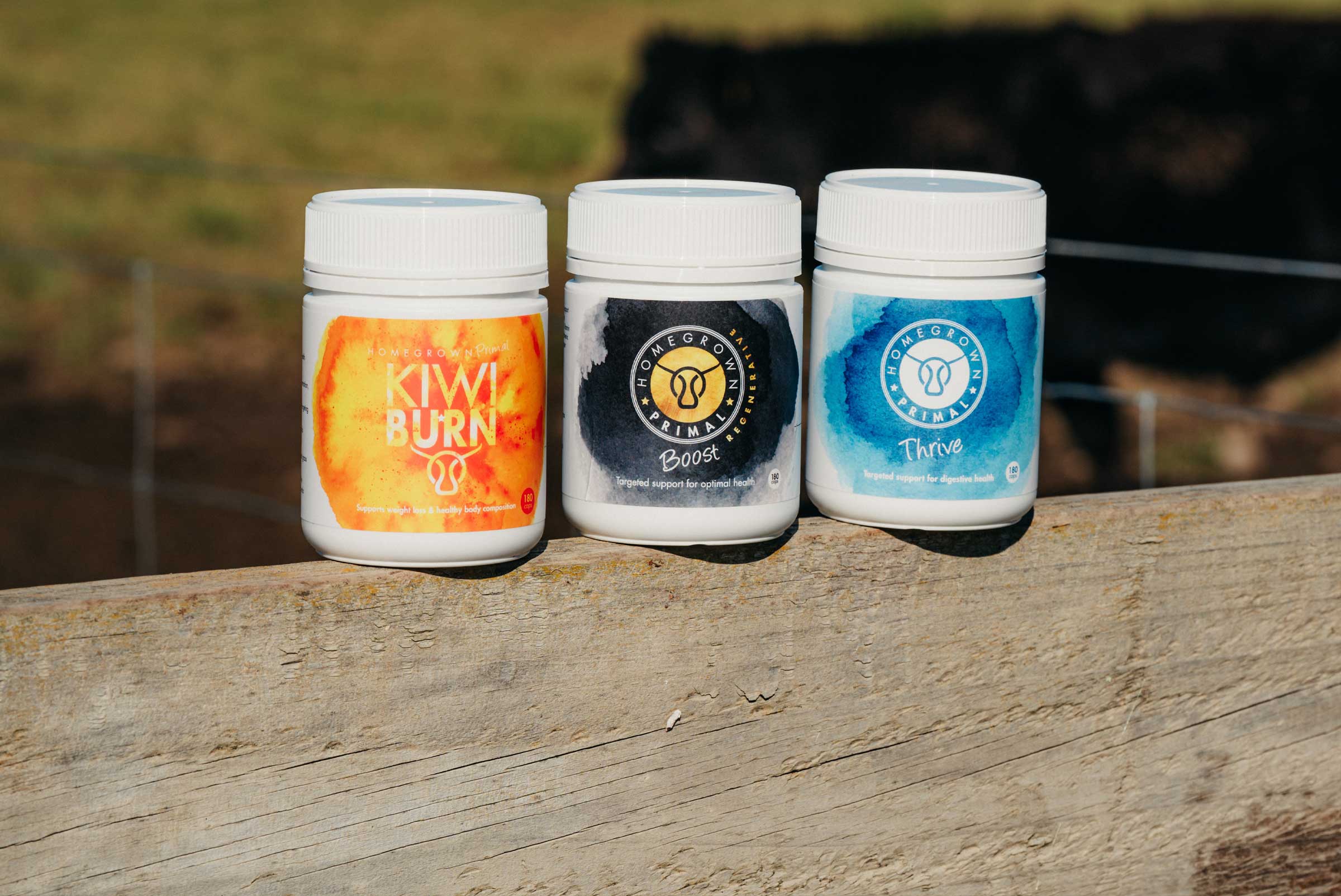
At Homegrown Primal, we believe sourcing our products from regenerative farms enables us to provide the best whole-food nutrition, without the sprays and chemicals that have traditionally been used on farms to accelerate production.
We believe pure sourcing is critical to producing a premium product.
Because the quality of the soil, the quality of the pasture, and the integrity of the farming system directly shape the quality of the food.
Pure sourcing isn’t a nice-to-have.
It’s everything.
FAQs: Regenerative Farming & Organic Meat
Is regenerative farming the same as organic?
Not exactly. Organic farming is usually defined by restricted inputs and certification standards. Regenerative farming focuses more on outcomes, improving soil health, biodiversity, water systems, and land resilience over time.
Is organic meat always grass-fed?
Not always. Organic standards can still allow supplementary feeds in some systems. Regenerative systems are often more focused on pasture-based feeding and land health, but practices can vary from farm to farm.
Why does soil health matter so much?
Healthy soil supports healthier pasture, which supports healthier animals. That flow-on effect directly impacts the quality of the food we eat, especially whole-food and animal-based nutrition.
Why does Homegrown Primal care so much about sourcing?
Because sourcing shapes everything. From nutrient density to integrity. We want our products to be as pure and enriching as possible and that purity starts on the farm.