Iron and Why It's So Important:
Have you noticed how many people talk about being low in iron?
It is one of those nutrients we often do not think about until our body starts asking for more. Fatigue, low energy, poor concentration, reduced performance, and feeling flat can all be signs that iron stores need attention.
Iron is not just another mineral. It plays a vital role in how we make energy, move oxygen around the body, support our muscles, and keep the brain working well.
And when it comes to iron, the form matters.
Why is Haem Iron More Easily Absorbed by the Body?
Haem iron is the form of iron found in animal-based foods such as red meat, organ meats, poultry, and fish.
Your body recognises haem iron and absorbs it more efficiently than non-haem iron, which is the form found in plant foods. Plant-based sources of iron can still contribute to your intake, but their absorption is often affected by compounds such as phytates, which can bind to minerals and make them harder for the body to use.
This is why animal-based iron is such a valuable part of a nutrient-dense diet.
It is simple, bioavailable nutrition. The kind your body knows what to do with.
What are the Health Benefits of Consuming Haem Iron?
Eating an animal based diet can give your body access to highly bioavailable iron, along with other important nutrients such as vitamin B12, folate, choline, zinc, copper, and amino acids.
Adequate iron supports:
- Healthy red blood cell production
- Oxygen delivery throughout the body
- Energy metabolism
- Muscle performance
- Cognitive function
- Immune health
When iron stores are low, the body has to work harder. This can contribute to tiredness, weakness, reduced endurance, poor concentration, and a general feeling of running on empty.
Haem iron helps support the foundations of vitality.
Why do Humans Need Haem Iron?
Iron is a vital mineral used to form haemoglobin, the protein in red blood cells that transports oxygen from the lungs to tissues throughout the body.
It is also involved in myoglobin, which helps store oxygen in muscles, and in enzymes that support energy production at a cellular level.
Haem iron, found in animal-based foods like red meat, poultry, and fish, is absorbed 2–3 times more efficiently (15–35% absorption rate) than non-haem iron from plant sources (2–20% absorption rate). This high bioavailability makes haem iron a key dietary component for maintaining adequate iron levels, which are essential for:
Oxygen Delivery
Hemoglobin carries oxygen to muscles and organs, supporting energy production and physical performance.
Energy metabolism
Iron is a component of myoglobin (stores oxygen in muscles) and enzymes involved in ATP production.
Muscle function
Myoglobin stores and delivers oxygen to muscle tissue, supporting performance, recovery, and endurance.
Cognitive and immune function
Iron supports brain health, focus and a robust immune system.
Insufficient iron can lead to iron deficiency anaemia, causing fatigue, weakness, impaired cognition, and weakened immunity.
Why do Athletes Need Haem Iron?
Athletes often have higher iron demands due to intense physical activity, which increases the need for oxygen transport and energy production. Specific reasons include:
-
Increased oxygen needs: During exercise, muscles require more oxygen to produce energy. Haem iron ensures efficient haemoglobin production to meet this demand.
-
Iron loss through sweat and stress: Athletes lose iron through sweat, red blood cell breakdown (haemolysis) from repetitive impact (e.g., running), and gastrointestinal stress. Haem iron’s high absorption helps replenish these losses quickly.
-
Muscle recovery and performance: Myoglobin, which relies on iron, delivers oxygen to muscles for recovery and sustained performance. Low iron levels can reduce endurance and strength.
-
Prevalence of deficiency: Studies suggest 15–35% of female athletes and 3–11% of male athletes may have iron deficiency due to intense training. Haem iron is a reliable way to maintain optimal levels.
A 2019 study in the Journal of the International Society of Sports Nutrition found that athletes with low iron stores had reduced aerobic capacity, which improved with iron supplementation, particularly from haem iron sources.
Why do Pregnant Women Need Haem Iron?
Pregnant women have significantly increased iron requirements due to physiological changes during pregnancy. Here’s why haem iron is critical:
-
Expanded blood volume: Blood volume increases by 30–50% during pregnancy to support the fetus and placenta, requiring more haemoglobin and thus more iron (RDA: 27 mg/day vs. 18 mg for non-pregnant women).
-
Fetal development: Iron supports the fetus’s growth, brain development, and oxygen supply. Iron deficiency in pregnancy is linked to preterm birth and low birth weight.
-
Maternal health: Low iron can cause maternal anaemia, leading to fatigue, increased infection risk, and complications during delivery.
-
Absorption challenges: Non-haem iron absorption can be hindered by dietary factors like phytates or calcium. Haem iron’s higher bioavailability ensures pregnant women meet their elevated needs more effectively.
The American College of Obstetricians and Gynecologists recommends iron-rich diets, including haem sources like lean beef or chicken, to prevent deficiency, as 15–25% of pregnant women in developed countries experience iron deficiency anaemia.
Food Sources of Haem Iron
Haem iron is found in animal-based foods, especially:
Beef
Lamb
Liver (Beef liver has nearly 5mg/100gm)
Spleen
Blood
Heart
Salmon
Poultry
Organ meats are some of the most nutrient-dense foods available. They provide not only haem iron, but also the co-factors the body needs to support healthy blood, energy, and overall vitality.
This is nose-to-tail nutrition at its best.
A Simple Way to Support Iron Intake
Not everyone wants to cook liver, spleen, or blood.
That is why we created whole-food supplements that make these powerful ancestral foods easier to include in daily life.
Our iron-supporting range is designed to help you access nutrient-dense, animal-based nutrition in a simple and convenient way.
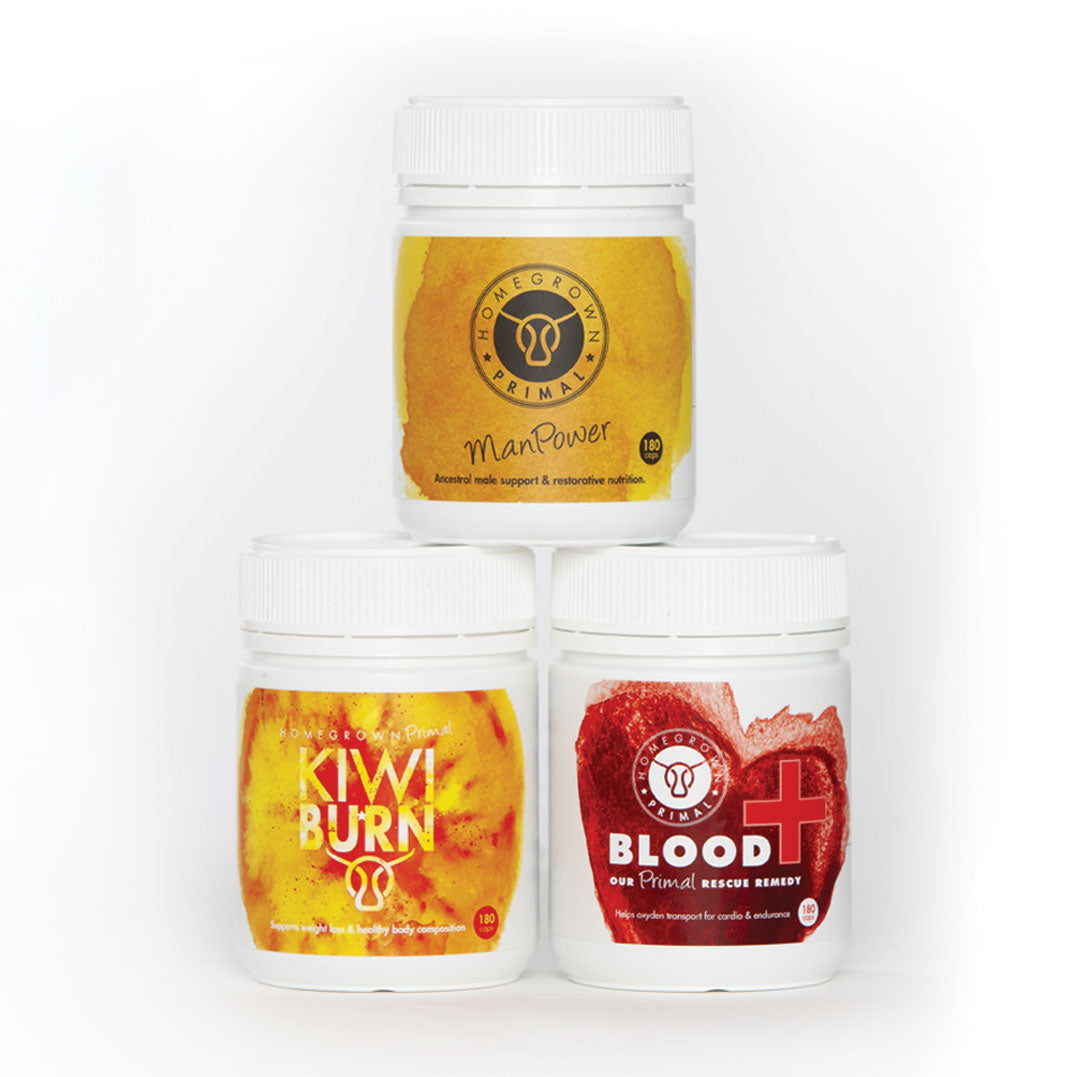
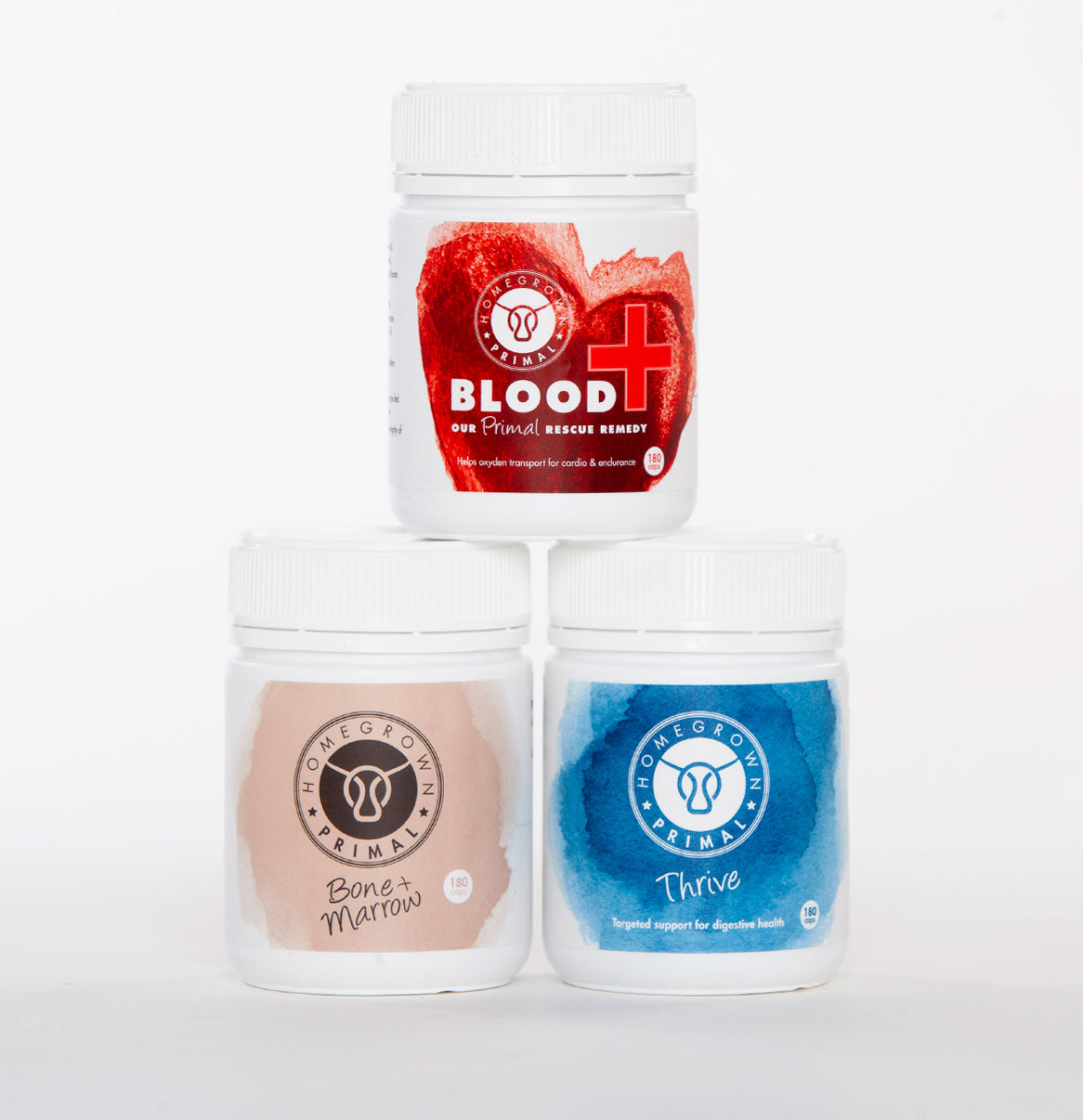
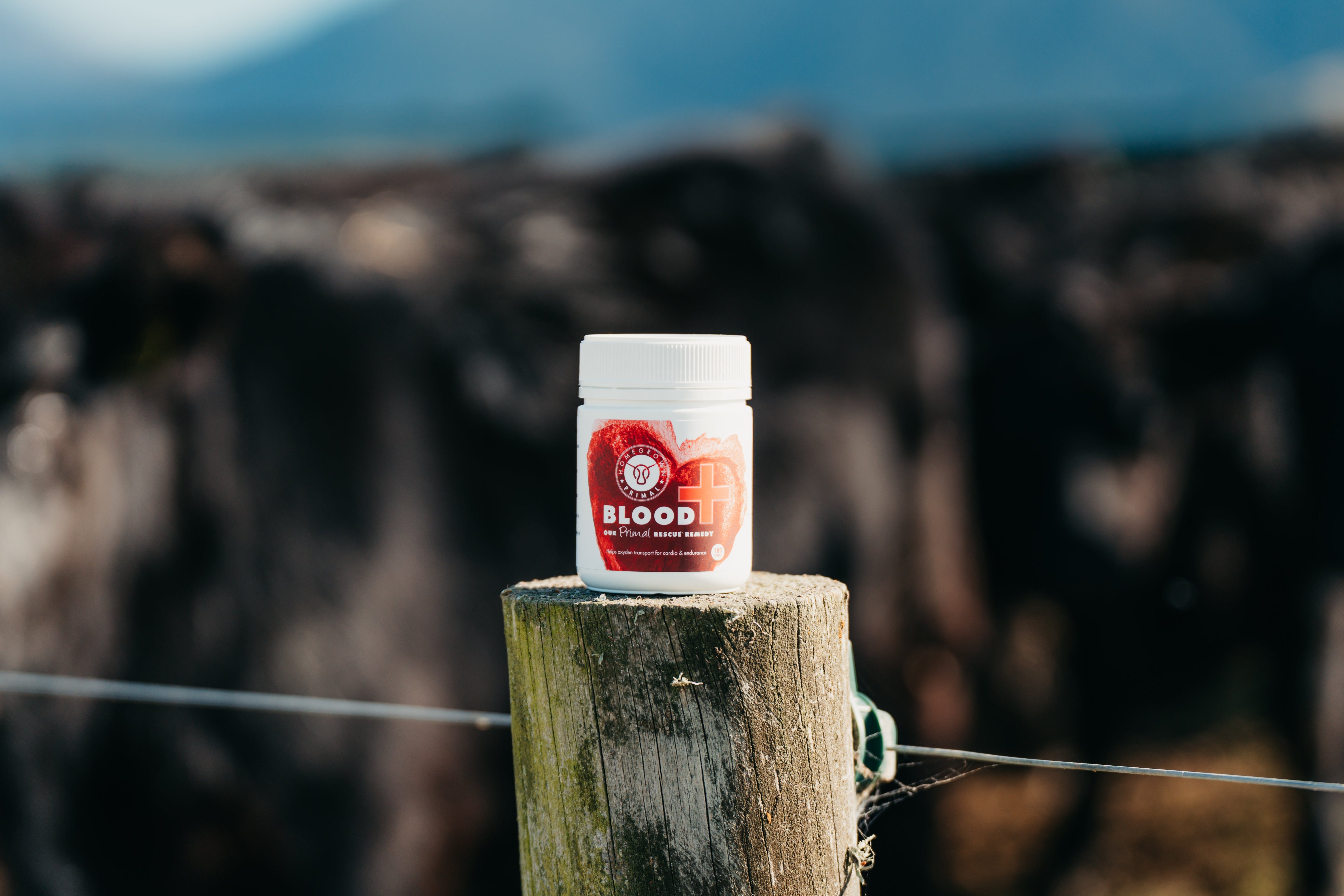
Blood+
Blood+ combines beef blood, beef liver, and beef spleen.
These are three traditional, nutrient-rich foods that provide haem iron, B12, folate, and other naturally occurring nutrients that support healthy blood, energy, and vitality.
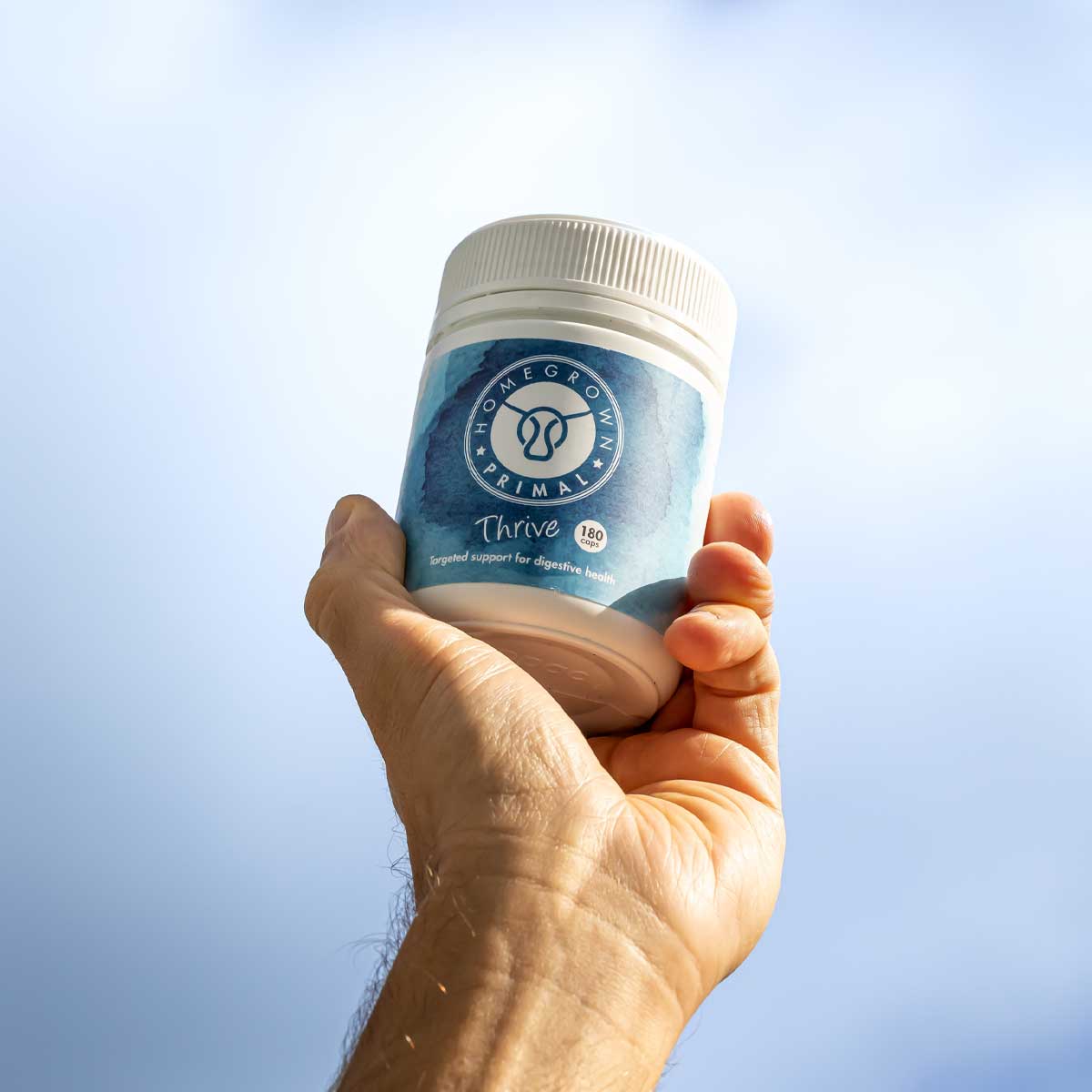
Thrive
Thrive is a blend of carefully selected grass-fed beef organs and glands, created to provide broad nose-to-tail nutritional support.
It is a simple way to bring more organ-based nutrition into your daily routine.
Bone + Marrow
Bone + Marrow provides whole bone extract, bone matrix, marrow, and cartilage.
It supports the broader nose-to-tail approach, giving the body access to nutrients our ancestors would have valued and modern diets often leave behind.
Iron Bundle: Anaemia Support
Our Iron Bundle brings together these three premium, grass-fed New Zealand bovine organ products:
Blood+
Thrive
Bone + Marrow
This bundle is designed to support healthy blood, energy, and overall wellbeing through nutrient-dense, nose-to-tail nutrition.
High in naturally occurring iron, vitamin B12, and folate, it offers a simple way to reconnect with the foods that have supported human health for generations.
Sourced from New Zealand pastures and minimally processed, these products are made with the same philosophy that guides everything we do:
Pure nutrition. Nothing unnecessary. Nothing added that does not belong.
Just real, ancestral nourishment in a modern format.
Final Thoughts
Haem iron is one of the most bioavailable forms of iron available to us, and animal-based foods remain one of the most effective ways to access it.
Whether you are active, pregnant, rebuilding your health, or simply wanting to feel more energised in daily life, supporting healthy iron levels is a powerful place to start.
Real nutrition does not need to be complicated.
Sometimes, it means returning to the foods that were designed to support us best.