
Choosing Natural Clarity Over Synthetic Confusion
I love seeing people in the supermarket reading labels. If this is you, well done. It means you’re informed, curious, and taking responsibility for your health.
Informed choices matter.
In an ideal world, labels would be simple. Organic. No sugar added. Single-ingredient foods. That should be all we need. Instead, we’re faced with long ingredient lists filled with words like preservatives, fortified, canola oil, and vegetable oils; all signs that the food inside the packet has been altered, extended for shelf life, and stripped of its natural integrity.
And this confusion doesn’t stop with food. It’s even louder in the supplement aisle.
Long promises. Even longer labels. Synthetic ingredients designed to look like nutrition.
Synthetic Supplements: Nutrition on Paper
Synthetic supplements are built in labs, not in nature.
They’re made from isolated vitamins and minerals, extracted, chemically altered, stabilised, and recombined. On paper, they look impressive. High doses. Long lists. Clinical language.
But the human body doesn’t read labels.
It responds to recognition.
When nutrients arrive without their natural cofactors, the enzymes, fats, minerals and proteins they’re meant to travel with - absorption suffers. The body works harder to process them. Imbalances can form. And over time, people are left chasing higher doses for diminishing returns.
More isn’t better when the body doesn’t recognise what it’s receiving.
Whole Foods: Nutrition Your Body Understands
Whole foods are essential for a long, healthy life.
In nature, nutrients never arrive alone.
Iron comes bound to proteins. Vitamin A is balanced by copper and zinc. B vitamins arrive as a complete team, not solo players.
This is why whole foods like eggs, meat, organ meats, raw dairy, and seasonal fruit, eaten sparingly, deliver something synthetic products never can.
They provide energy not just to get through the day, but to think clearly. To move well. To build resilience. To live as the strong, capable human you were born to be.
Why Spoilage Is a Good Thing
Here’s a simple rule:
Avoid foods designed to last months on a shelf.
Choose foods that spoil.
Spoilage is nature’s timestamp. It tells you the food is alive, not manipulated, and real. When food needs plastic, preservatives, or fortification to survive, it’s already lost much of what made it nourishing in the first place.
The same principle applies to supplements.
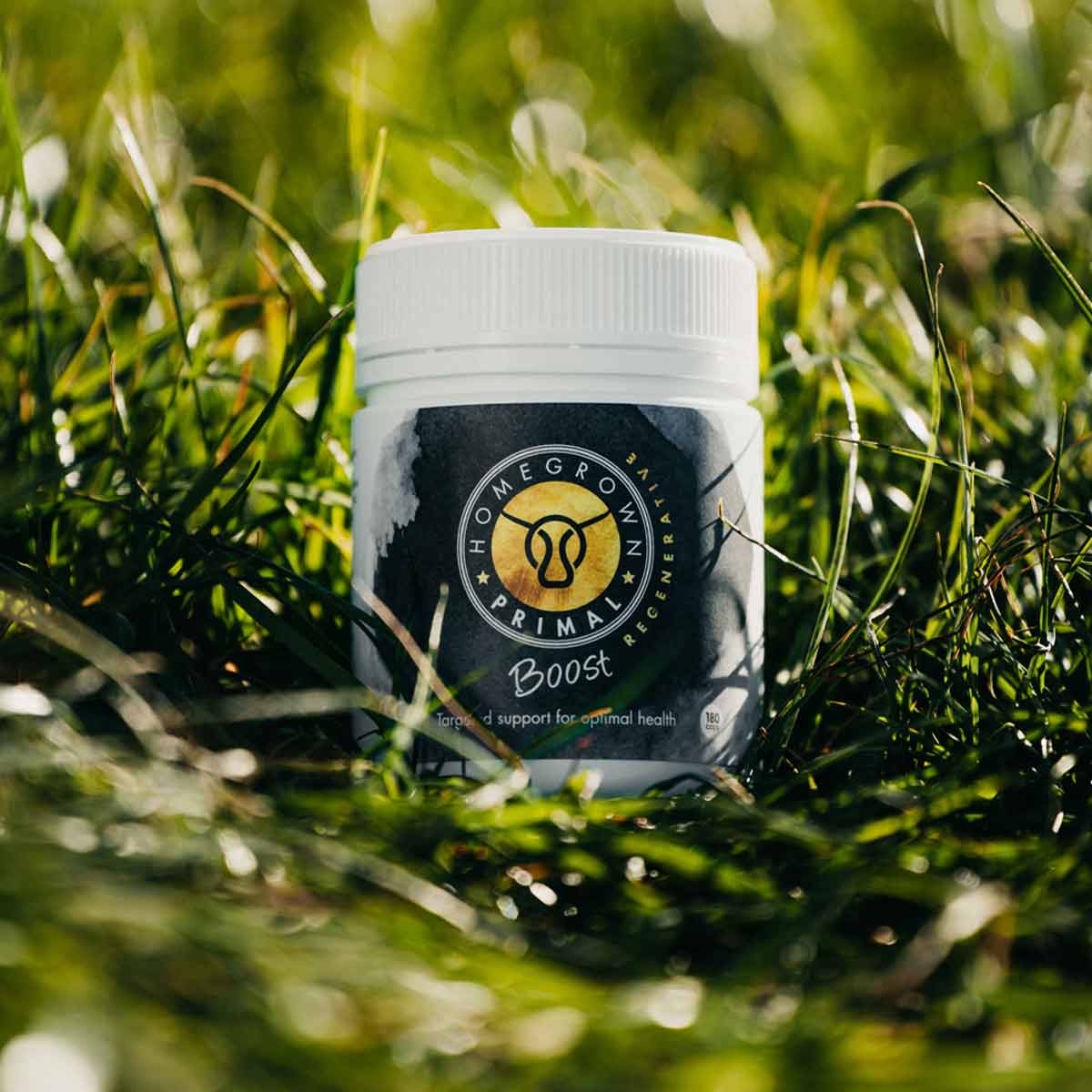
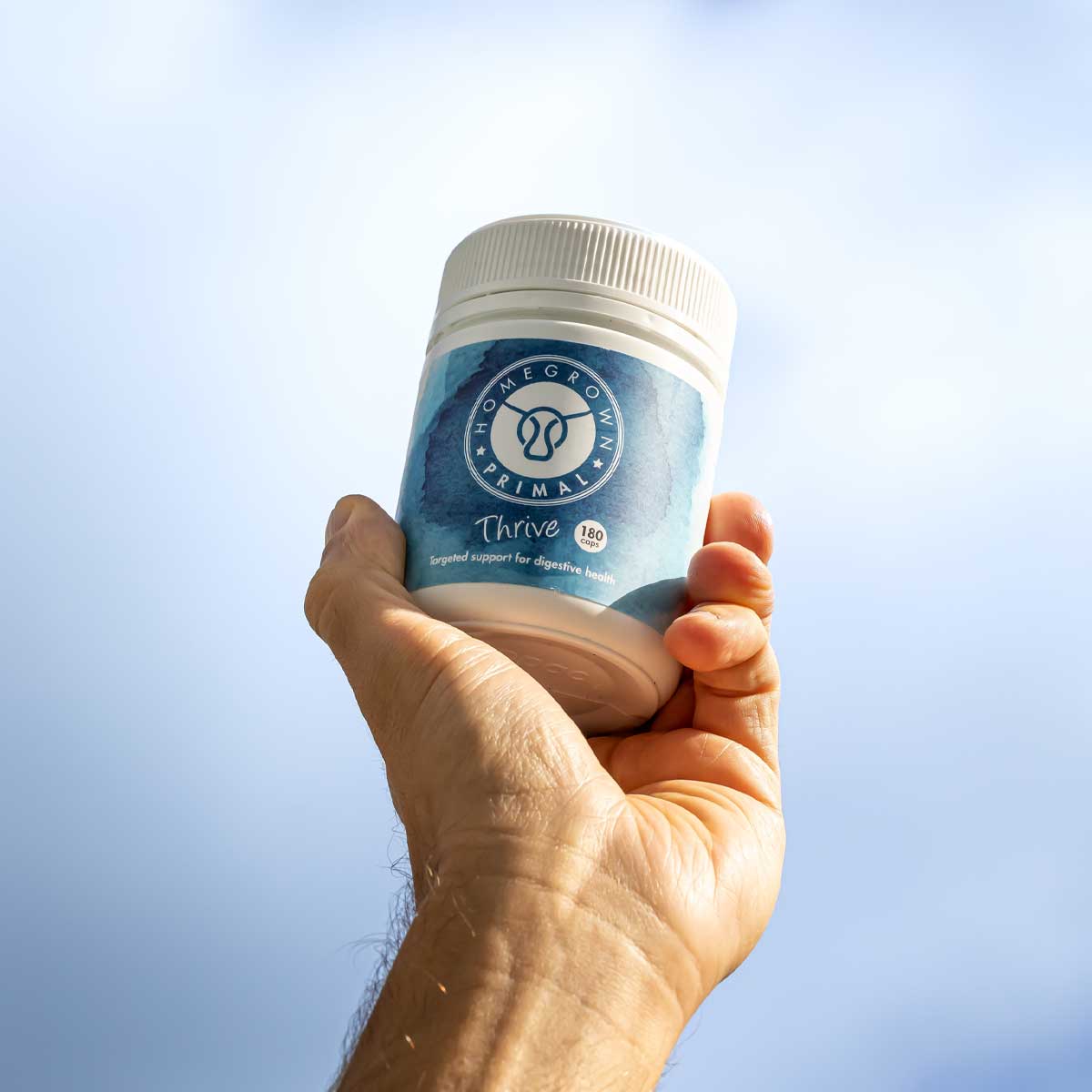
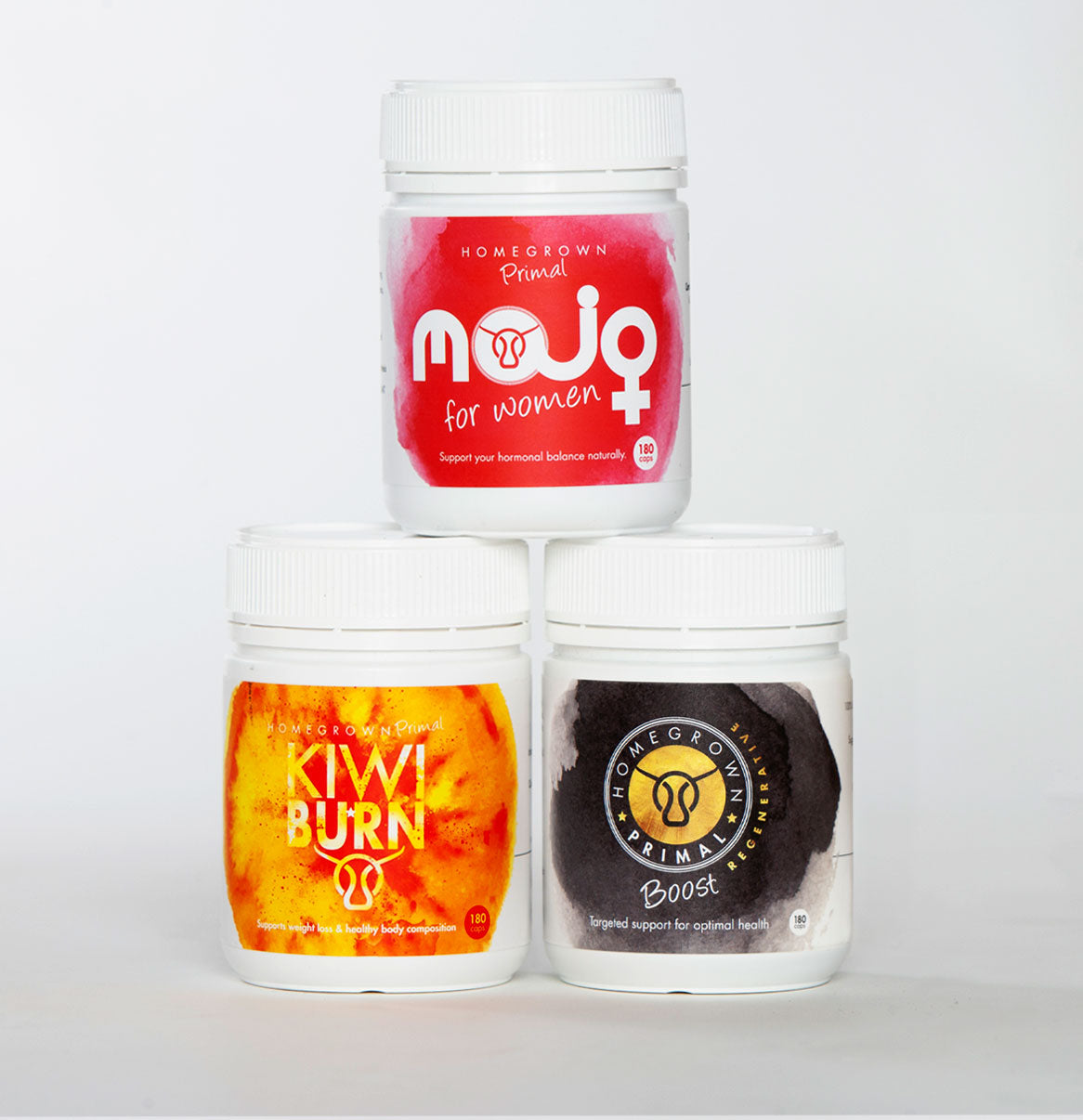
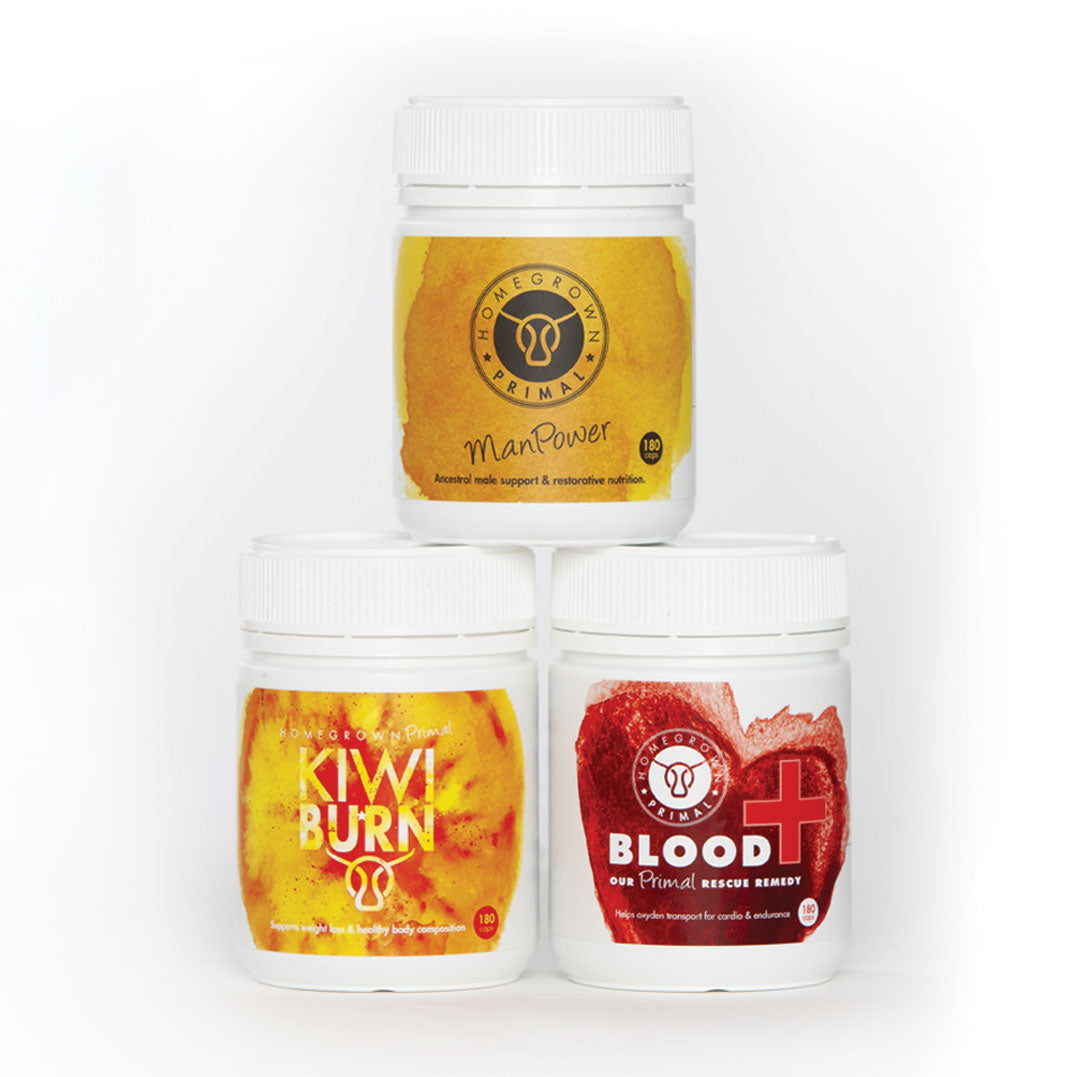
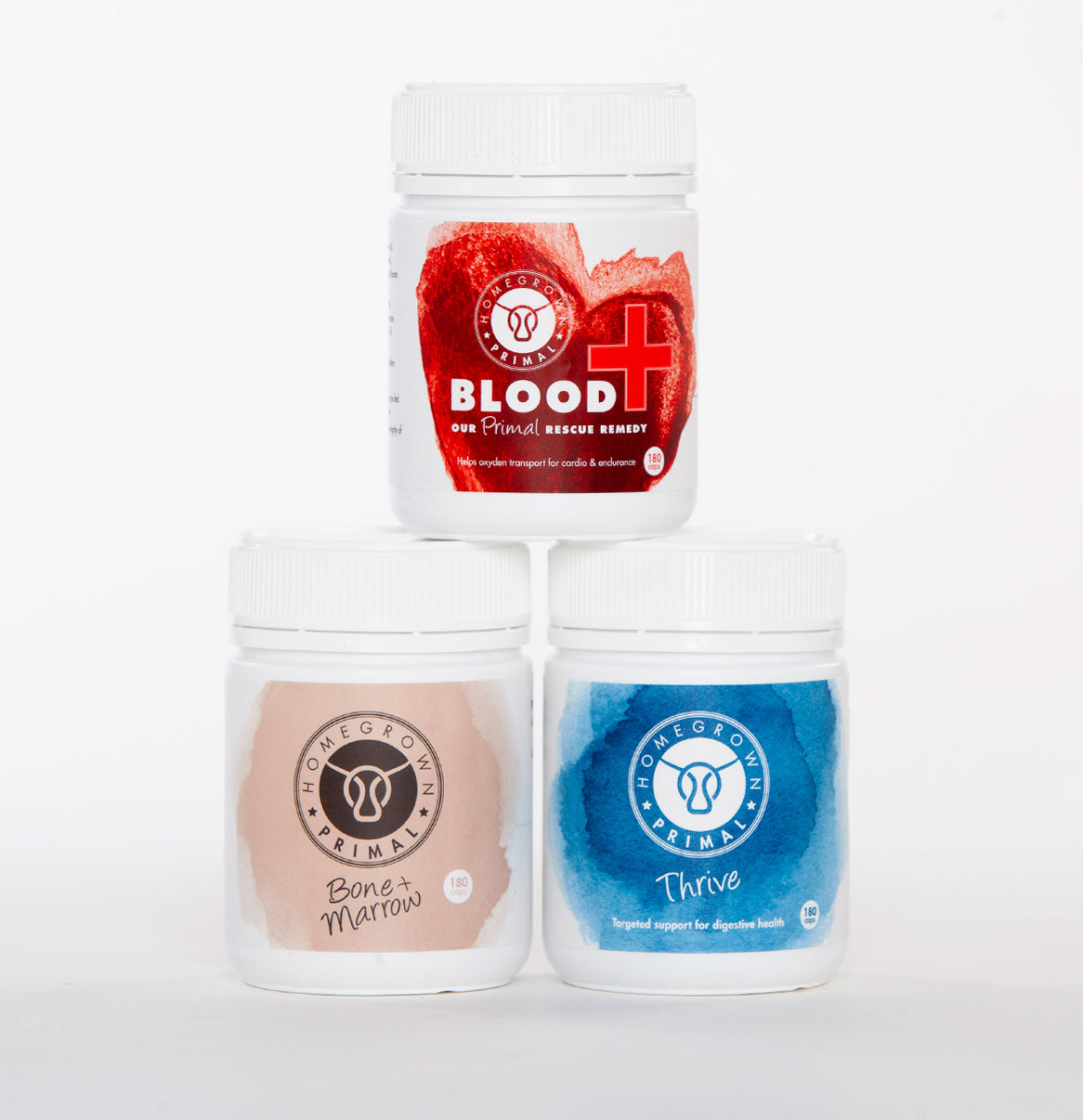
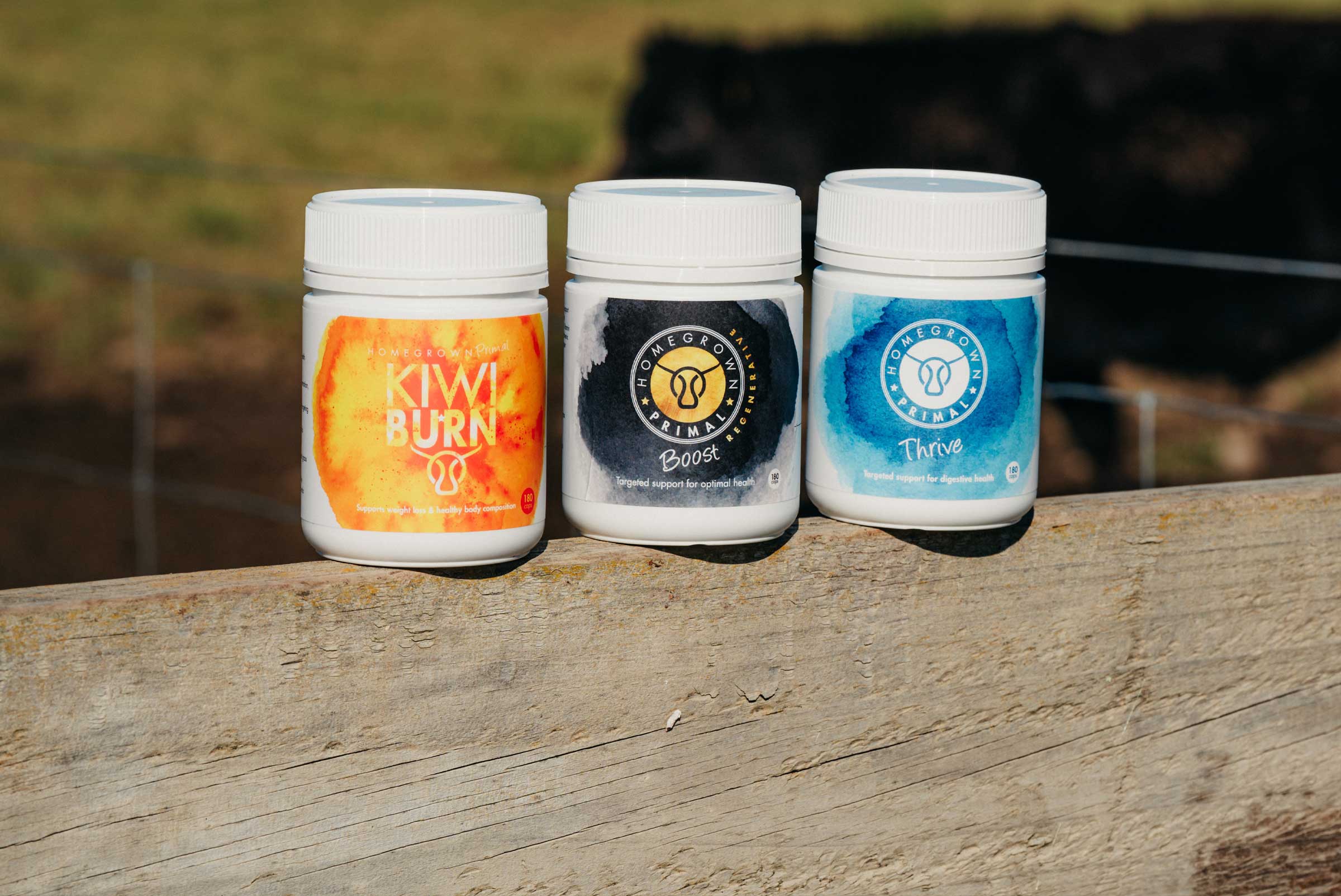
Whole food supplements are simply real food, preserved carefully, not rebuilt synthetically. Freeze-dried organs retain their natural structure, nutrients, and bioavailability.
Nutrition your body recognises immediately.
No translation required.
The Ancestral Reality
For most of human history, there were no multivitamins.
There was liver. Heart. Kidney. Bone marrow. Blood.
These foods sustained strength, fertility, immunity, and longevity across generations.
Modern diets removed them.
Synthetic supplements tried to replace them.
Whole food nutrition restores what was lost.
Longevity Requires Intention
Thankfully, education is more accessible than ever, and people are waking up. But there’s still noise.
Social traditions. Celebrations. Convenience foods. Endless options.
Staying committed isn’t always easy when cake and savoury platters are the norm. But longevity has never been accidental. It requires intention, and sometimes a strong will.
The good news?
It doesn’t require complexity.
It Really Is This Simple
Choose whole foods over processed. Choose nutrients over isolated chemistry.
Because real nutrition doesn’t spike and crash.
It builds.
Quietly, consistently and naturally.