Janet talks to Steven Roberts about her ancestral wellness journey.


Janet talks to Steven Roberts about her ancestral wellness journey.

We regularly post on all things carnivore and organ nutrition. Any question you have we've probably written about it!
Read more on our Blog here: BLOG
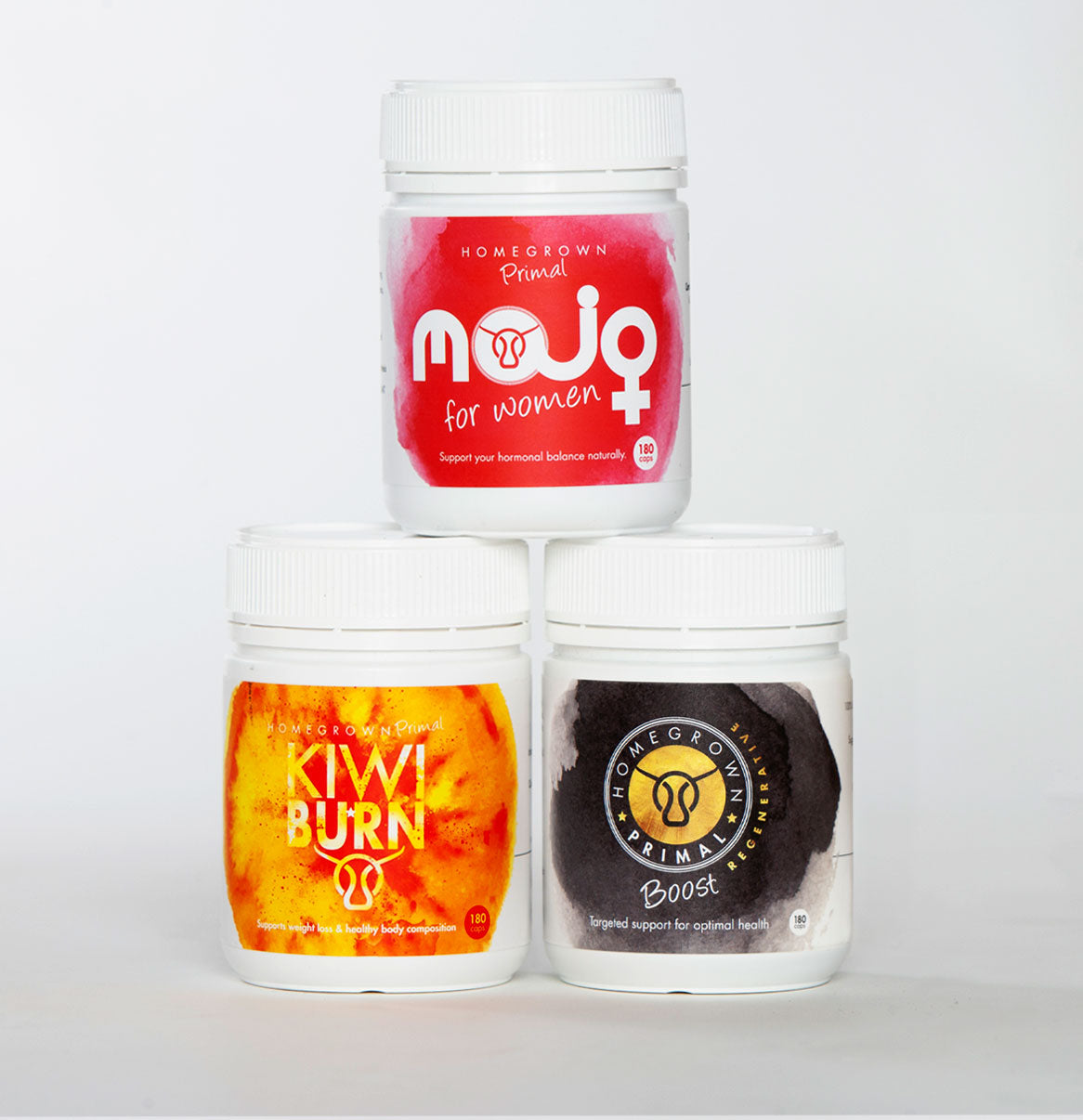
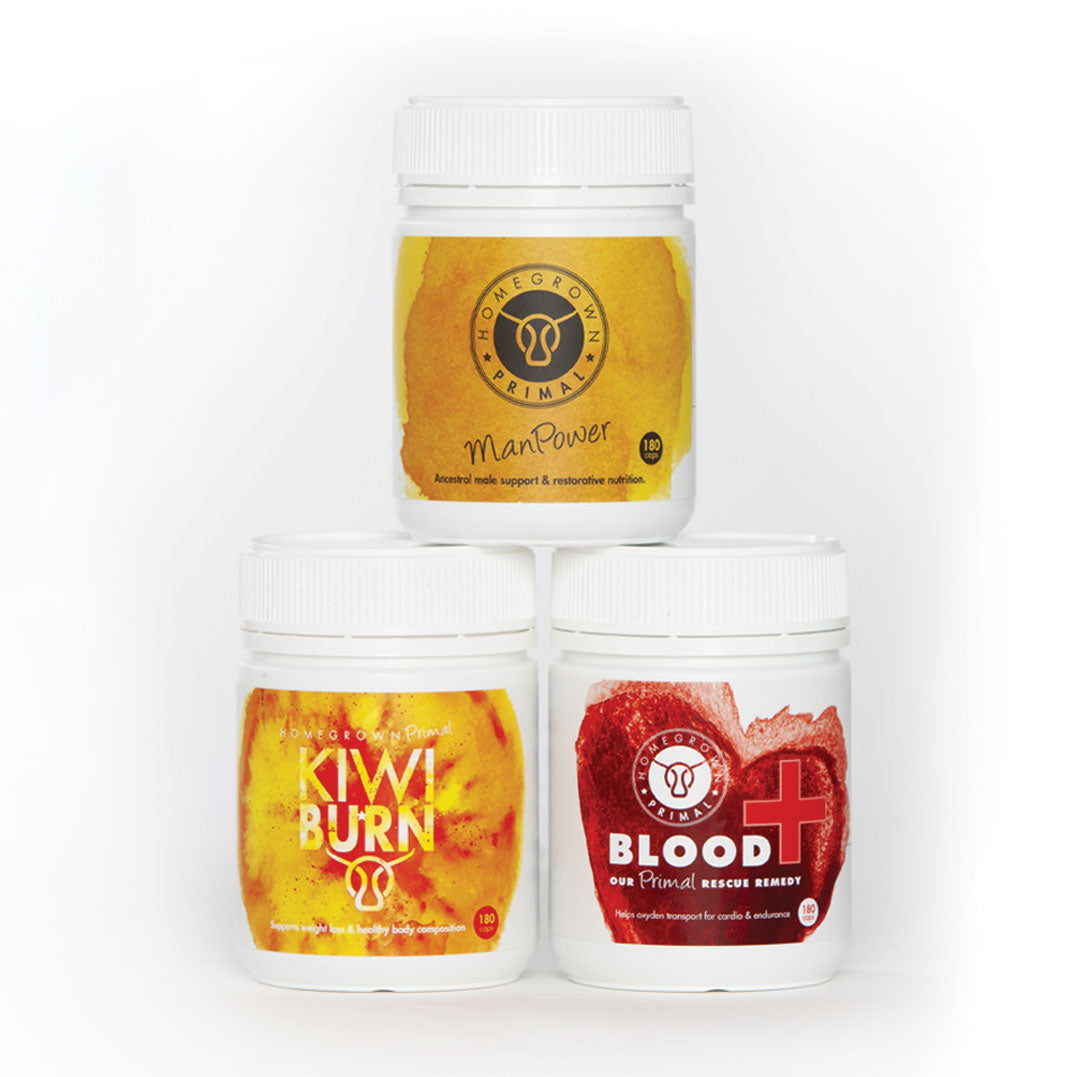
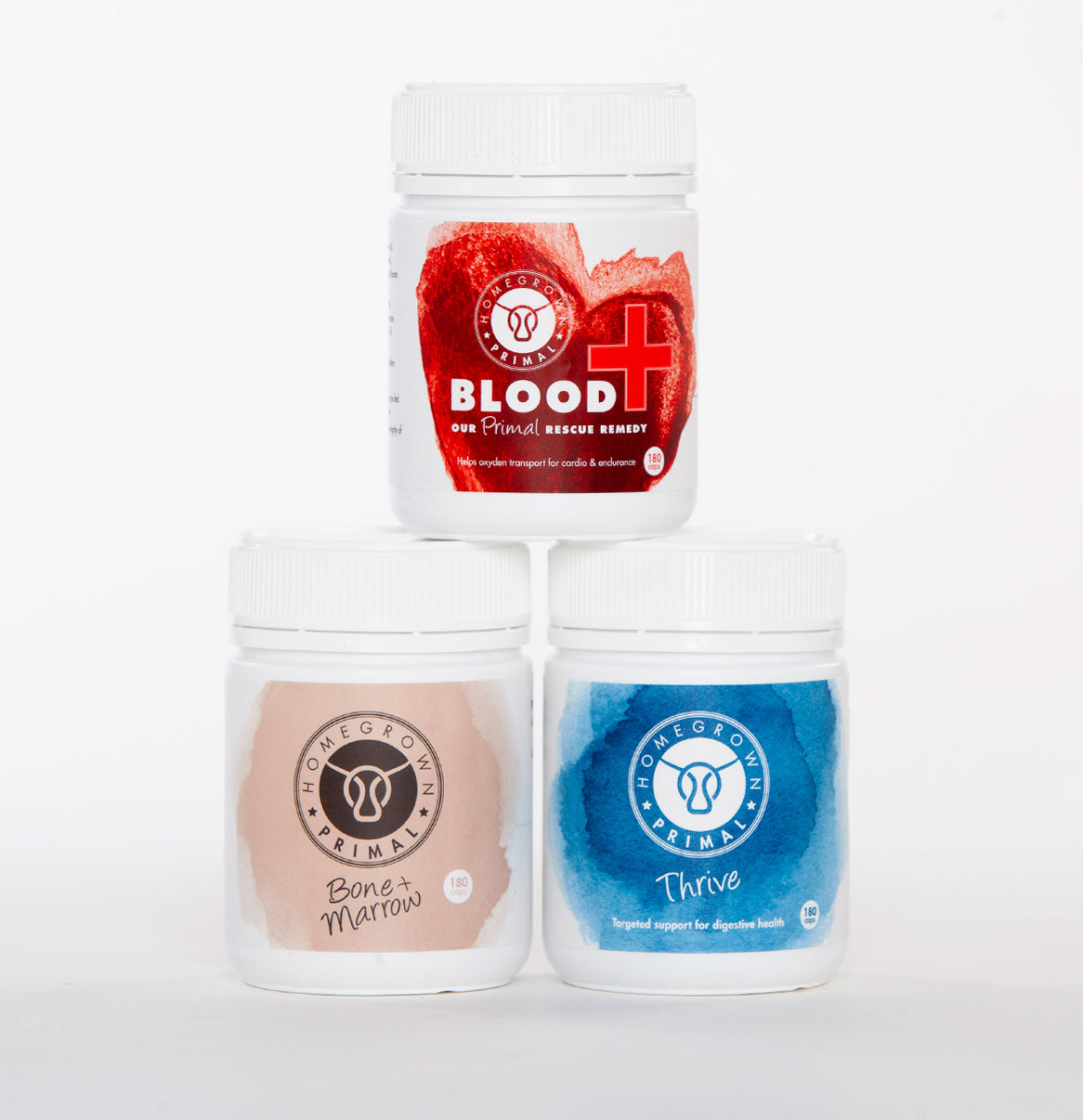
I have a vision of a perfect world where we all shop at a local butchers or farmers market and organ meats are readily available for people to cook and eat. But I know for most people, that vision has been swallowed by the pace of modern life. And the trouble is, despite the incredible value of organs, most people are missing them from their diet. Organ meats make sense. Modern life doesn’t make them easy Ideally, we’d all be eating liver, heart and kidney regularly. We’d know where they came from, how to cook them, and how to work them into family meals. But so many of us are in a rush. We shop quickly. We cook what we know. We feed our families while managing work, routines, and everything else that fills a week. And organ meats, for all their value, often fall into the too-hard basket. Why people avoid them For some, it’s the taste. For others, it’s the prep. For many, it starts even earlier than that. They don’t know where to buy good quality organs, how to cook them properly, or how to make them enjoyable to eat consistently. That’s the real issue. It’s not that organ meats aren’t worth eating. It’s that they’re not always practical. But the nutrition still matters Just because something is inconvenient doesn’t make it less valuable. Organ meats have been prized for generations for a reason. They offer the kind of nourishment that modern diets often leave out. The problem is not the food. The problem is access. And it's one of the main reasons Marty and I started Homegrown Primal. We realised how important organs were, and how few people were actually eating them. We didn't want our friends and family to miss out on the benefits of organ nutrition, so we found a way to make them more accessible. A practical way back to real nutrition Organ supplements give people a way to access the benefits of organs without the usual barriers. No sourcing issues.No prep.No cooking.No strong taste.No wasted good intentions sitting in the fridge. Just a simple, practical way to bring organ nutrition into modern life. It's important, because the best nutrition is often the nutrition you can take consistently. Convenience without compromise A lot of modern convenience comes at the cost of quality. This is different. When organ supplements are sourced from reputable farms, from animals raised the right way, and made with nothing added or taken away from them, convenience becomes a real strength. You’re not moving further away from real food. You’re finding a way to include it. That’s the point of modern ancestral nutrition. Not to recreate the past perfectly, but to hold onto what matters and make it work in the present. It doesn’t have to be all or nothing You don’t have to cook liver every week to value nose-to-tail nutrition. You don’t have to pretend you love the taste of organs if you don’t. And you don’t have to choose between doing it perfectly or not doing it at all. For many people, organ supplements are the bridge. They make ancestral nutrition accessible and easy to stick with. Final thought In a perfect world, more people would cook organ meats regularly. But in the world we live in, convenience matters. When organ supplements are made from real whole foods, they offer a hassle free way to include this incredible nutrition in your diet. No sourcing.No prep.No cooking.No taste barrier. That's why I believe organ supplements have earned their place. For many people, they are the most realistic way to bring the benefits of organ meats into a modern diet.
Learn moreMost supplements are synthetic or made from isolated nutrients. This article explores what that really means, how synthetic nutrients differ from whole-food nutrition, and why food may be more than the sum of its parts.
Learn moreCould colostrum help with low iron? Explore the link between gut health, lactoferrin, immunity, and nutrient absorption.
Learn moreI got quite a response to my blog earlier this week on creatine supplements vs real food, so I thought it was worth following up. One of the most common questions I got was: “If I’m eating meat, do I actually need to supplement with creatine?” It’s a fair question, especially given how heavily creatine is being promoted right now. So let’s break it down. Why Creatine Is Everywhere Right Now Creatine has become one of the most talked-about nutrients in health and fitness. It’s often marketed as a performance supplement, but what many people don't realise is that Creatine is naturally found in animal foods. What Creatine Actually Does Creatine plays a key role in how your body produces energy. It helps regenerate ATP, the molecule your cells use for quick bursts of power. This supports: Muscle strength Physical performance Brain energy metabolism Recovery How Much Creatine Do You Need? Your body uses around 1–2 g of creatine per day. You get this from two sources: Your diet (meat and fish) Your body’s own natural production How Much Creatine Is in Meat? Creatine is found almost exclusively in animal foods, especially red meat. Food Creatine per 100 g Beef ~0.4–0.5 g Lamb ~0.4 g Fish ~0.5 g If you eat a meat-based diet, for example, around 400–500 g of red meat per day. You're getting: ~1.5–2.5 g of creatine daily. That already meets your baseline physiological needs. So Do You Need to Supplement? For most people: no If you: Eat red meat regularly Follow a meat-based or animal-based diet Are focused on general health Then your diet already provides meaningful amounts of creatine through food. When supplementation might help Creatine supplements (3–5 g/day) are used to: Increase muscle creatine stores above baseline Enhance strength and performance Support high-intensity training This is why they’re popular with: Athletes Bodybuilders High-performance individuals Whole Food Creatine vs Supplements There’s an important distinction here. Creatine from meat: Comes with protein, iron, B vitamins and cofactors Supports natural energy production Is delivered as part of a complete nutritional system Creatine supplements: Isolated compound Taken in higher doses Designed to push performance beyond normal levels The Bigger Picture Creatine doesn’t work alone. Your body relies on a network of nutrients to produce and use energy effectively, including: Iron → assists oxygen transport B vitamins → drive energy metabolism Amino acids → support repair and recovery These nutrients naturally come packaged together in animal foods. This is what whole-food nutrition provides, not just one compound, but the full system. The Takeaway A meat-based diet already provides creatine in its natural form. However, some people, athletes, post menopausal women, vegans and vegetarians need to supplement creatine. For most people, our meat based diet is enough to support: Energy Strength Overall health Supplementation is optional, not essential. Whole foods provide the foundation. Creatine supplements are used for pushing beyond it.
Learn more