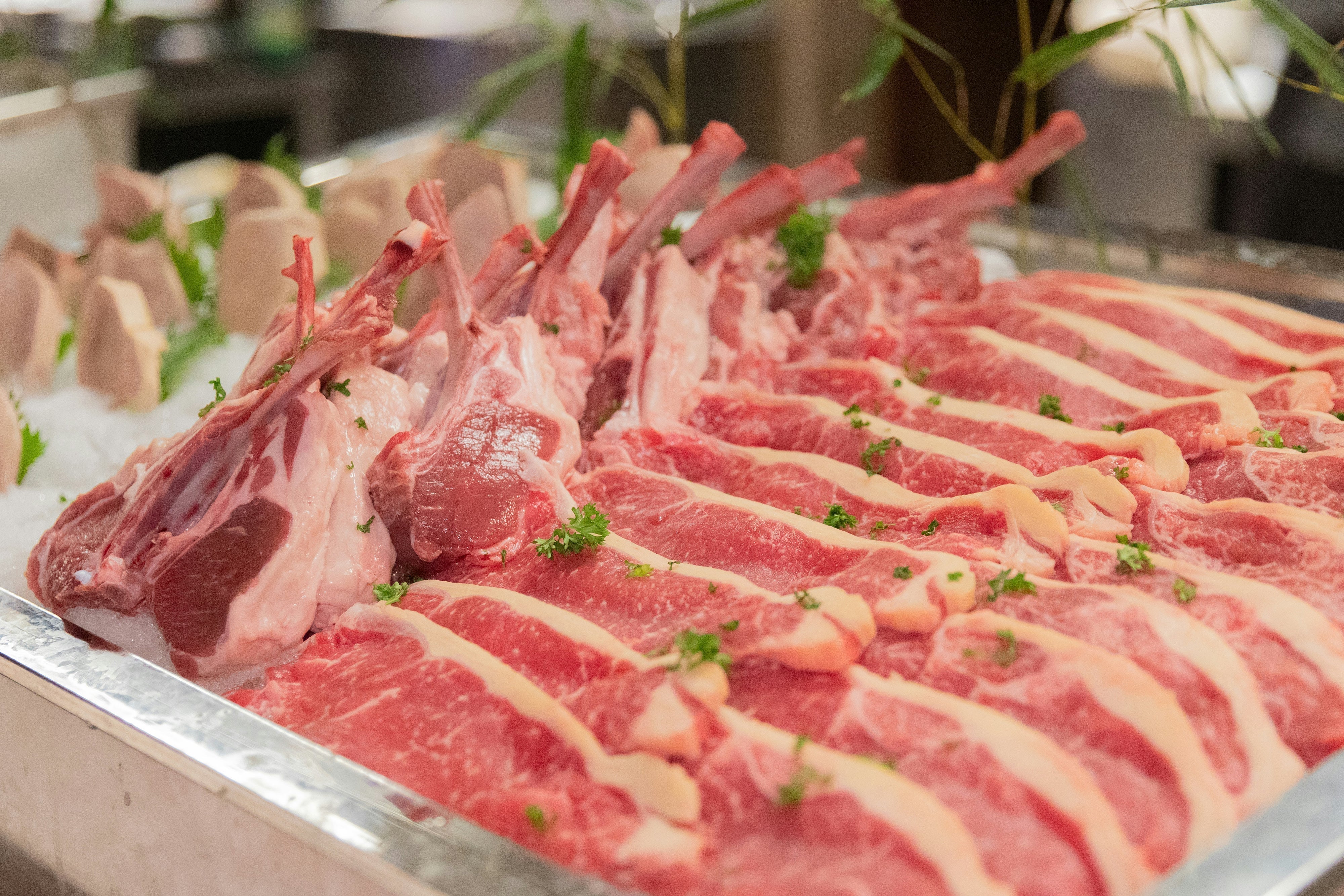
We’ve been told to fear red meat.
To eat less saturated fat. To choose lean protein. To limit cholesterol.
Yet so many people who eat a more ancestral, animal-based diet say they have more energy, improved digestion, fewer cravings, more stable moods, improved body composition, and greater satiety.
So what’s actually true?
And how much meat is genuinely healthy?
The honest answer:
There is no single perfect amount of meat that is right for everyone.
But there is a better way to think about the question.
Instead of only asking “How much meat is too much?”, we also need to ask:
Are we eating enough nutrient-dense food to feel strong, satisfied, energised and well?
Let's dig into that in a bit more detail.
Most Women Aren't Overeating Meat - They're Undernourished
For decades, women in particular have been encouraged to:
-
Eat low-fat diets
-
Fear calories
-
Prioritise “light” foods
-
Survive on coffee, snacks, and processed convenience foods
The result is often:
-
Poor satiety
-
Unstable energy
-
Cravings
-
Iron deficiency
-
Hormonal stress
-
Loss of muscle mass
-
Chronic under-eating of protein and nutrients
This is one of the reasons meat-based and ancestral diets are gaining attention among women who feel exhausted by years of dieting.
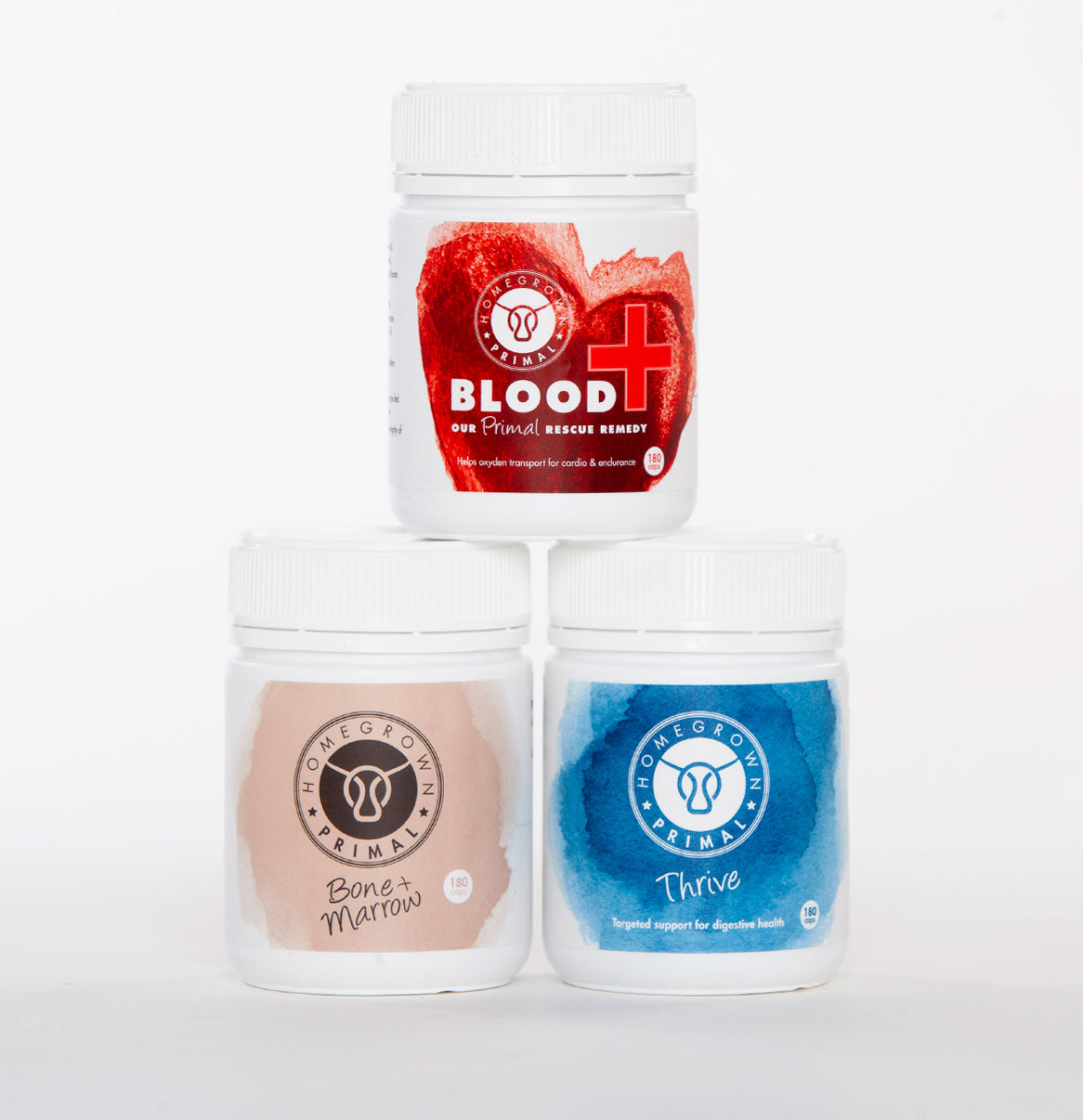
Candi Frazer and the Primal Bod movement focus heavily on rebuilding metabolic health through nutrient-dense animal foods, stabilising blood sugar, and prioritising protein over processed foods.
For many women, the issue has never been that they are eating too much meat.
It’s that they’ve spent years not eating enough real food.
The Problem Isn’t Meat. It’s What Replaced It
Modern diets didn’t simply reduce meat intake.
They replaced nutrient-dense whole foods with:
-
Ultra-processed snacks
-
Refined seed oils
-
Low-fat packaged foods
-
Synthetic “health” products
-
Protein bars and meal replacements
At the same time, traditional foods like red meat, organs, broth, collagen, marrow, and natural animal fats disappeared from everyday eating.
Animal foods are among the most bioavailable sources of:
And unlike many processed foods, meat is naturally satiating. Many people eating higher-protein diets find they stop obsessing over food because they finally feel properly nourished.
So when these foods are removed from our diets, it has a profound impact not only on our nutrient intake but also on appetite, cravings and how much we eat.
Not All Meat Is the Same
When people ask, “Is meat healthy?”, it's important to be specific.
There is a difference between fresh, quality animal foods and heavily processed meat products.
A meal built around steak, eggs, broth and natural fats is not the same as a diet built around fast food, processed snacks and packaged convenience foods.
This is where the conversation often becomes too simplistic.
Meat gets blamed, while the wider modern diet is ignored.
But a diet centred around quality meat, eggs, organs, broth and natural fats, looks very different from an ultra-processed modern diet.
So the question should not only be:
How much meat are you eating?
It should also be:
What kind of meat are you eating?
And:
What is the rest of your diet made from?
Humans Didn’t Just Eat Muscle Meat - They Ate the Whole Animal
One of the biggest differences between modern eating and ancestral eating is that traditional cultures ate nose-to-tail.
Not just steak.
They consumed the whole animal: organs, connective tissue, bone, fat, everything. These foods provided nutrients modern diets often lack.
Muscle meat gives us protein, iron, zinc, and creatine.
But organs and connective tissues provide many more nutrients and compounds, including:
-
Vitamin A
-
Folate
-
Copper
-
Collagen
-
Calcium
-
Glycine
-
Gelatin
-
CoQ10
-
Fat-soluble vitamins
-
Phospholipids
-
Unique peptides
Nose-to-tail eating creates a far more nutrient-dense and balanced way of eating than surviving on processed “diet” foods or lean protein alone.
And interestingly, many traditional cultures prized organ meats more highly than muscle meat itself because of the nutrient benefits they offer.
So… How Much Meat Do We Need?
There probably isn’t one perfect number for everyone.
Needs vary depending on:
-
Body size
-
Activity levels
-
Muscle mass
-
Age
-
Metabolic health
-
Pregnancy and postpartum demands
-
Personal goals
In the ancestral and meat-based space, many practitioners commonly consume anywhere from:
-
400–700g daily for lighter appetites
-
700g–1kg+ for active adults
-
More for athletes or therapeutic approaches
These are not universal rules. They are examples of how intake can vary when people eat according to appetite, protein needs, activity level and health goals rather than arbitrary restriction.
Dr Shawn Baker often promotes eating animal foods to satiety rather than chronically restricting intake.
Dr Ken Berry has also spoken widely about meat-based nutrition, metabolic health, and why many people may benefit from eating more animal foods when moving away from processed modern diets.
Professor Bart Kay similarly argues that humans are highly adapted to animal foods and that adequate protein and animal fat intake are central to metabolic function and recovery.
The bigger point is this:
Quality matters more than arbitrary restriction.
Women’s Protein Needs Change Throughout Life
One of the most overlooked parts of nutrition is that women’s protein and nutrient requirements increase during many key life stages.
Pregnancy & Postpartum
Growing a human requires building material.
Pregnancy dramatically increases demand for:
-
Iron
-
B12
-
Zinc
-
Choline
-
Protein
-
DHA
Animal foods provide many of these nutrients in highly bioavailable forms.
Postpartum recovery places enormous demands on the body, yet many women feel pressured to under-eat during the very stage their bodies require deep nourishment.
Perimenopause & Menopause
As women age, maintaining muscle mass becomes increasingly important for:
-
Metabolic health
-
Strength
-
Bone density
-
Insulin sensitivity
-
Longevity
Proper, natural, high-protein nutrition is essential for maintaining muscle mass.
This is one reason women in the animal-based community report improvements in energy, satiety, body composition, and strength after increasing animal protein intake and removing ultra-processed foods.
Maybe We've Been Asking the Wrong Question
For years, we’ve asked:
“How much meat is too much?”
But perhaps the better question is:
What happens when humans stop eating the foods that nourished us for generations?
Because long before nutrition trends, calorie tracking, and packaged “health” foods existed, humans were eating nutrient-dense animal foods, often nose-to-tail, to sustain strength, fertility, growth, and survival.
And maybe there’s wisdom in that worth revisiting.