
Beef organ supplements: Benefits, nutrients & how to choose the right one
Beef organ supplements are a convenient way to include nutrient-dense organs such as liver, heart, kidney, spleen, lung, pancreas, and marrow in your diet.
Naturally rich in vitamins, minerals, and whole-food nourishment, they offer a simple way to support better nutrition, especially for people who want the benefits of organs without having to prepare them from scratch.
This guide explains the benefits of beef organ supplements, which nutrients they provide, how they compare with eating fresh organ meats, and how to choose a high-quality grass-fed option in New Zealand or Australia.

What Are Beef Organ Supplements?
What Are Beef Organ Supplements?
Beef organ supplements are becoming increasingly popular with people in New Zealand and Australia who want a simple way to include nose-to-tail nutrition in their routine.
Beef organ supplements are whole-food capsules or powders made from bovine organs such as liver, heart, kidney, spleen, and other nutrient-dense tissues.
They offer a convenient way to include organ foods in your diet without having to source, prepare, or cook fresh organs, which can often be hard to find or difficult to consume regularly.
Not all beef organ supplements are created equal, so it’s worth doing your research. Look for products that are cleanly sourced from reputable farms, minimally processed, and free from unnecessary fillers, flavours, or artificial ingredients.
Homegrown Primal’s range is made from freeze-dried organs sourced from grass-fed and grass-finished, regeneratively and ethically farmed New Zealand cattle. There are no additives in our products, they are made from 100% pure beef, right down to the gelatine capsule.
Why Do People Take Beef Organ Supplements?
Why Do People Take Beef Organ Supplements?
Most people take beef organ supplements to help fill nutritional gaps and bring more nutrient-dense whole foods into their diet.
They're looking for a more natural, food-based way to support energy, resilience, recovery, and overall wellbeing, rather than relying on synthetic solutions.
Beef organ supplements are a practical way to make nose-to-tail nutrition a more consistent part of everyday life without having to source or cook fresh organs.
What Are The Benefits of Beef Organ Supplements?
What Are The Benefits of Beef Organ Supplements?
Organs are naturally rich in nutrients including vitamin B12, vitamin A, iron, zinc, selenium, and choline, all of which support essential functions throughout the body.
Unlike single-nutrient or synthetic products, beef organ supplements deliver that nutrition in a whole-food form, making them a more natural and complete way to nourish the body.
They also bring multiple nutrients together in one place, alongside naturally occurring co-factors found in whole organs, helping to support a stronger nutritional foundation.
How To Choose a Beef Organ Supplement
How To Choose a Beef Organ Supplement
Not all beef organ supplements are created equal. Some contain only beef liver, while others use a broader blend of organs such as heart, kidney, spleen, lung, pancreas, marrow, or trachea.
The best option depends on what you want from the supplement, but the key is to look for a product that is simple, transparent, and made from real whole-food ingredients.
When choosing a beef organ supplement it's important to look beyond the front label. A good product should clearly explain where the organs come from, which organs are included, how they are processed, and whether any fillers or artificial ingredients have been added.
When comparing beef organ supplements, consider the following:
Sourcing
Look for organs from grass-fed and grass-finished cattle raised on regenerative farms and preferably humanely raised. Good sourcing matters because organ supplements are concentrated whole-food products, so the quality of the animal and farming practices should be clear.
Organ blend
Check whether the supplement contains only liver or a wider range of organs. Beef liver is nutrient-dense, but a multi-organ blend can provide a broader nose-to-tail nutritional profile.
Processing method
Freeze-dried organs are commonly used because they help turn real organ meats into a convenient capsule or powder format while keeping the product as close as possible to its whole-food form.
Ingredients
Choose products with a short, simple ingredient list. Avoid unnecessary fillers, artificial flavours, preservatives, colours, sweeteners, or synthetic additives.
Transparency
A good brand should clearly explain which organs are included, where they are sourced from, and how the product is made. If the label is vague, it is worth asking more questions before buying.
Capsule type
Check what the capsules are made from, especially if you avoid certain ingredients. Some brands use gelatine capsules, while others may use plant-based capsules. Homegrown Primal's capsules are made from 100% beef right down to the beef gelatine capsule
Availability in New Zealand and Australia
If you are ordering from New Zealand or Australia, check shipping options, currency, delivery times, and current product availability before buying.
A good beef organ supplement should feel like real food in a convenient form, not a synthetic multivitamin with organ branding. Look for clear sourcing, a transparent organ blend, and minimal ingredients.
What Nutrients are In Beef Organs?
What Nutrients are In Beef Organs?
Some beef organ supplements contain a single organ, while others combine several bovine organs and tissues in one formula. The exact nutrient profile will depend on the product, but each organ or tissue is included for a reason. Some are especially rich in vitamins and minerals, while others provide specific fats, peptides, amino acids, enzymes, collagen compounds, or tissue-specific nutrients that help support different functions throughout the body.
Liver is one of the most nutrient-dense organs and is naturally rich in vitamin B12, folate, riboflavin, vitamin A, copper, choline, zinc, and iron. These nutrients help support energy production, red blood cell formation, immune function, vision, brain health, and normal metabolism.
Blood is especially valued for heme iron, along with protein and vitamin B12. These nutrients help support healthy red blood cells, oxygen transport, energy metabolism, and overall vitality.
Lung contains vitamin C, B vitamins including B12, riboflavin, niacin, and pantothenic acid, along with heme iron, phosphorus, potassium, zinc, copper, and selenium. Together, these nutrients contribute to energy metabolism, oxygen transport, immune function, antioxidant defence, and broader cellular health.
Heart provides high-quality protein along with B vitamins, heme iron, zinc, selenium, and naturally occurring compounds such as CoQ10. These nutrients and compounds help support cellular energy production, oxygen transport, cardiovascular function, and overall metabolic health.
Brain is richer in fats and phospholipids than many other organs. It also contains compounds such as DHA and choline, which are important for healthy cell membranes, nervous system structure, and cognitive function.
Kidney contains nutrients such as selenium, vitamin B12, riboflavin, iron, and other trace minerals. These nutrients contribute to energy production, red blood cell health, immune function, and broader metabolic processes.
Spleen is one of the more iron-rich organs and also contributes B vitamins and trace minerals. This makes it especially relevant for red blood cell health, oxygen transport, energy metabolism, and immune function.
Pancreas provides naturally occurring enzymes, peptides, proteins, and micronutrients that help support digestive and the metabolic health.
Testes contribute protein, zinc, selenium, iron, cholesterol-based compounds, and other trace nutrients that support reproductive health, hormone production, antioxidant protection, and overall resilience.
Ovaries contain naturally occurring lipids, peptides, cholesterol-based compounds, and micronutrients that make them especially relevant for female hormone health. Ovary helps support hormonal balance, cycle nourishment, steady energy, and the wider endocrine system that influences mood, vitality, and reproductive wellbeing.
Uterine tissue contains naturally occurring proteins, lipids, peptides, and micronutrients that support female-focused nourishment. It is connected to tissue health, cellular repair, and the broader nutritional support of the female reproductive system, while also contributing compounds associated with hormonal balance and steady energy.
Mammary tissue contains proteins, lipids, peptides, and bioactive compounds involved in cellular metabolism, lipid handling, and tissue function. It helps support hormonal health, breast tissue nourishment, steady energy, and broader female wellness as part of a whole-food, glandular approach.
Placenta contains naturally occurring proteins, peptides, IGF-1 ( Insulin Like Growth Factor), amino acids, lipids, and trace elements, and is valued for its connection to vitality, tissue renewal, and female recovery. In women’s organ formulas, placenta is used to support hormonal health, steady energy, resilience, and overall female wellbeing.
Eye contributes vitamins, minerals, fats, and bioactive compounds associated with healthy vision, normal energy production, and overall wellness.
Bone and marrow contribute in different ways. Bone provides structural proteins and minerals, while marrow contributes fats and fat-soluble compounds. Together, they help support connective tissues, structural health, and the wider nutritional depth of a whole-food formula.
Trachea and Scapula are valued for their connective-tissue compounds. They are rich in type II collagen, glycosaminoglycans, and amino acids, which are important building blocks for cartilage, joints, and other connective tissues.
Collagen is rich in amino acids such as glycine, proline, and hydroxyproline. These are key building blocks for skin, joints, tendons, ligaments, fascia, and other connective tissues throughout the body.
Tallow is primarily a source of nourishing animal fat. Its role is less about broad-spectrum vitamins and minerals and more about supporting energy, healthy cells, metabolism, hormone production, and the absorption of fat-soluble nutrients in the diet.
These organs and glands provide a broad spectrum of nourishment from real food, which is one of the key reasons beef organ supplements are valued as a whole-food way to support a stronger nutritional foundation.
Can I Just Eat Beef Organs Instead of Supplements?
Can I Just Eat Beef Organs Instead of Supplements?
Yes, you can absolutely eat whole beef organs instead of taking supplements. For some people they are the preferred route.
If you enjoy eating them and can include them regularly, they can absolutely be part of a nutrient-dense diet.
Supplements simply offer a more convenient and consistent way to include organ nutrition, especially for people with busy lives or those who find quality organ meat hard to source or prepare. They are there to help bridge the gap when whole organs are not showing up on your plate often enough.
The goal is not to choose one better option. It is to find the approach that helps you maintain organ nutrition consistently in your diet over time.
How Do You Get Started with Beef Organ Supplements?
How Do You Get Started with Beef Organ Supplements?
The best way to get started with beef organ supplements is to start simple and stay consistent.
Begin with a foundational product, ease in gradually, and let it become part of your routine before exploring anything more targeted.
Further down the page, you’ll find more detailed guidance on how to move from foundational support to tailored options over time.
Are Beef Organ Supplements Safe?
Are Beef Organ Supplements Safe?
Beef organ supplements are generally well tolerated and are a good way to add organ nutrition into the diet, especially when they are made from clean, well-sourced ingredients and used as directed.
The key is to start slowly and choose products with transparent sourcing, minimal processing, and no unnecessary additives, so you know exactly what you are getting.
Like any nutrient-dense food or supplement, they are best used with common sense.
Organs are naturally rich in vitamins and minerals, so it is worth following the recommended serving size rather than assuming more is better.
Care should be taken when pregnant, trying to conceive, breastfeeding, taking medication, or managing a health condition to check that a product is right for your individual needs. If you have any specific questions, please drop us an email and we’d be happy to help.
When sourced well and used properly, beef organ supplements are a simple, clean, whole-food way to bring the benefits of nose-to-tail nutrition into everyday life. They make it easier to nourish the body with real food, build supportive daily habits, and stay consistent with a more natural approach to health.
OUR TOP TIPS
After years of exploring the connection between food, strength, and wellbeing, Janet and Marty the co-founders of Homegrown Primal came to believe that some of the most valuable nutrition available to us is often the most overlooked. That belief helped shape Homegrown Primal’s focus on nose-to-tail nutrition and simple, whole-food support. These tips reflect Janet and Marty's practical approach to beef organ supplements, keeping things simple, consistent, and grounded. Janet and Marty use organ supplements daily alongside a nutrient dense carnivore diet.
- Start slowly if organ supplements are new to you.
- Begin with half the recommended dose for the first couple of weeks, then build up from there.
- Keep it simple to begin with, consistency matters more than perfection.
- Take them in the way that works best for you, whether that’s with food or on an empty stomach.
- Remember these are real food, so they should feel easy to fit into your day.
- If capsules aren’t your thing, open them and sprinkle them over food or add them to a smoothie instead.
- Think of beef organ supplements as a practical way to add more nutrient-dense support to your routine.
- Keep an eye on our weekly blog and sign up to our newsletter to get the latest information on organ supplementation.
- Whatever your approach stick with it, and give your body time to adjust.
GETTING STARTED WITH BEEF ORGAN SUPPLEMENTS
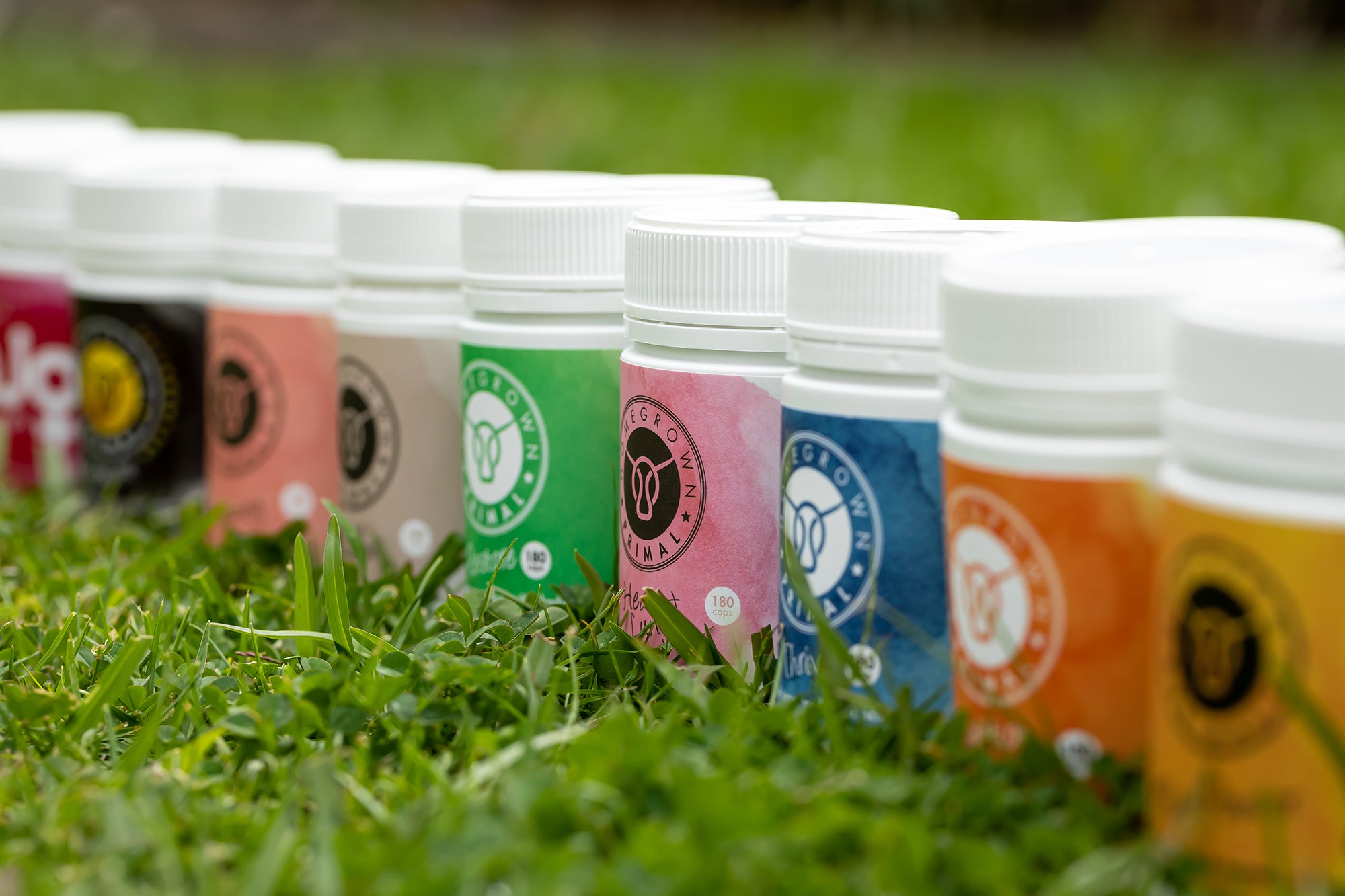
Beef organ supplements work best when you think of them as a progression, not a pile-on. A good place to start is with foundational nose-to-tail nutrition, then build into more goal-specific support as your needs become clearer. For some, that begins with a broad formula like Complete Beast. From there, you might add products that support energy, metabolism, or gender-specific needs, before moving into more focused formulas for particular areas of support. The key is to keep it simple, start with the basics, and build intentionally over time.

PURE ORGAN NUTRITION
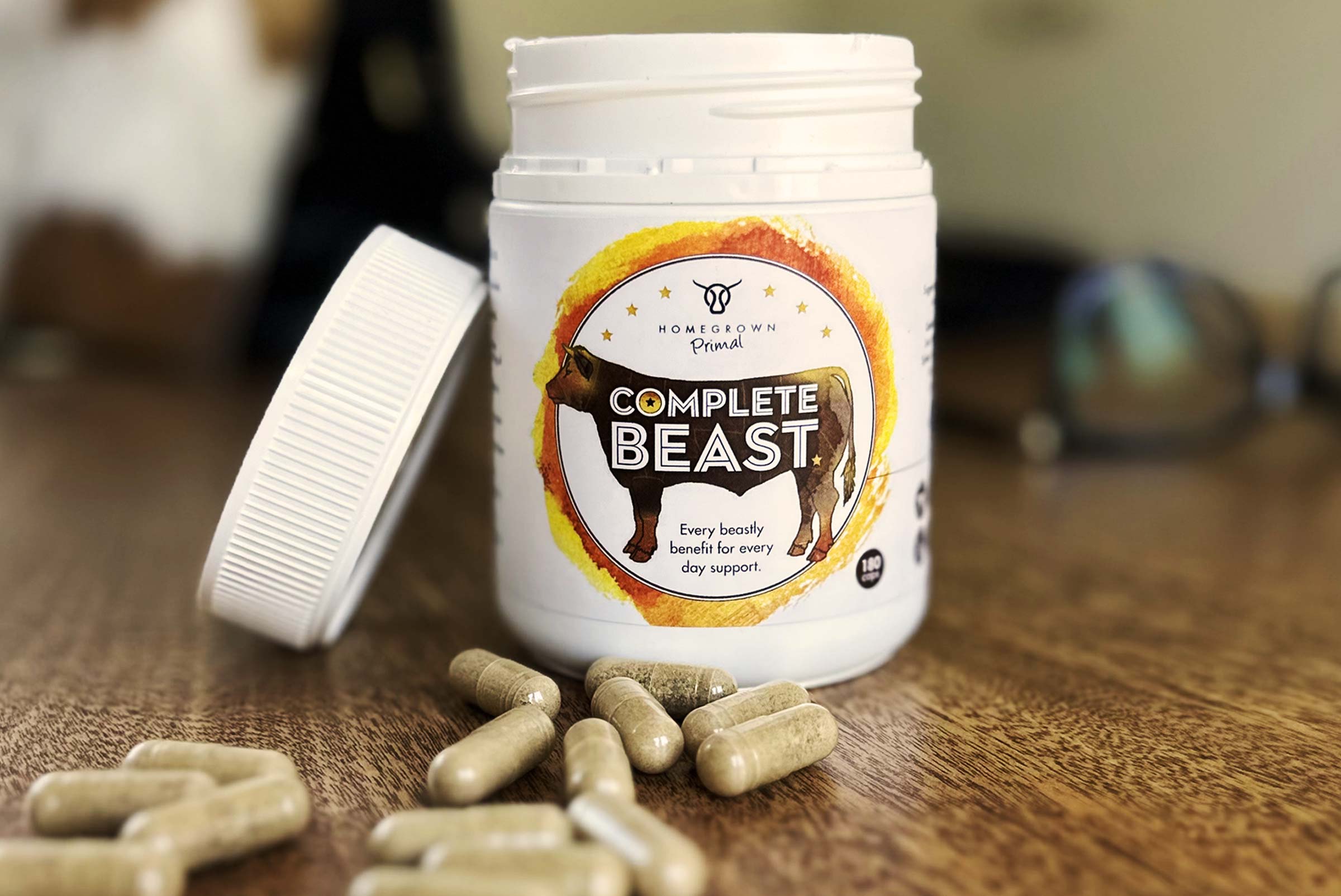
If you are new to beef organ supplements, Complete Beast is our foundational 13-organ blend made from grass-fed and grass-finished New Zealand cattle. It is designed for people who want a simple, convenient way to include nose-to-tail organ nutrition in their daily routine.


COMPLETE BEAST | 13-Organ Blend
COMPLETE BEAST | 13-Organ Blend
got a question?
Want to find out more about organ supplements? We've got lots more information on our FAQs and Product Pages.
If you have a question about Beef Organ Nutrition please don't hesitate to get in touch. We'd be very happy to help you on your journey towards better health.