Janet discussed Homegrown Primal, PUFA's sex hormones, animal-based eating, big food companies and more.


Janet discussed Homegrown Primal, PUFA's sex hormones, animal-based eating, big food companies and more.


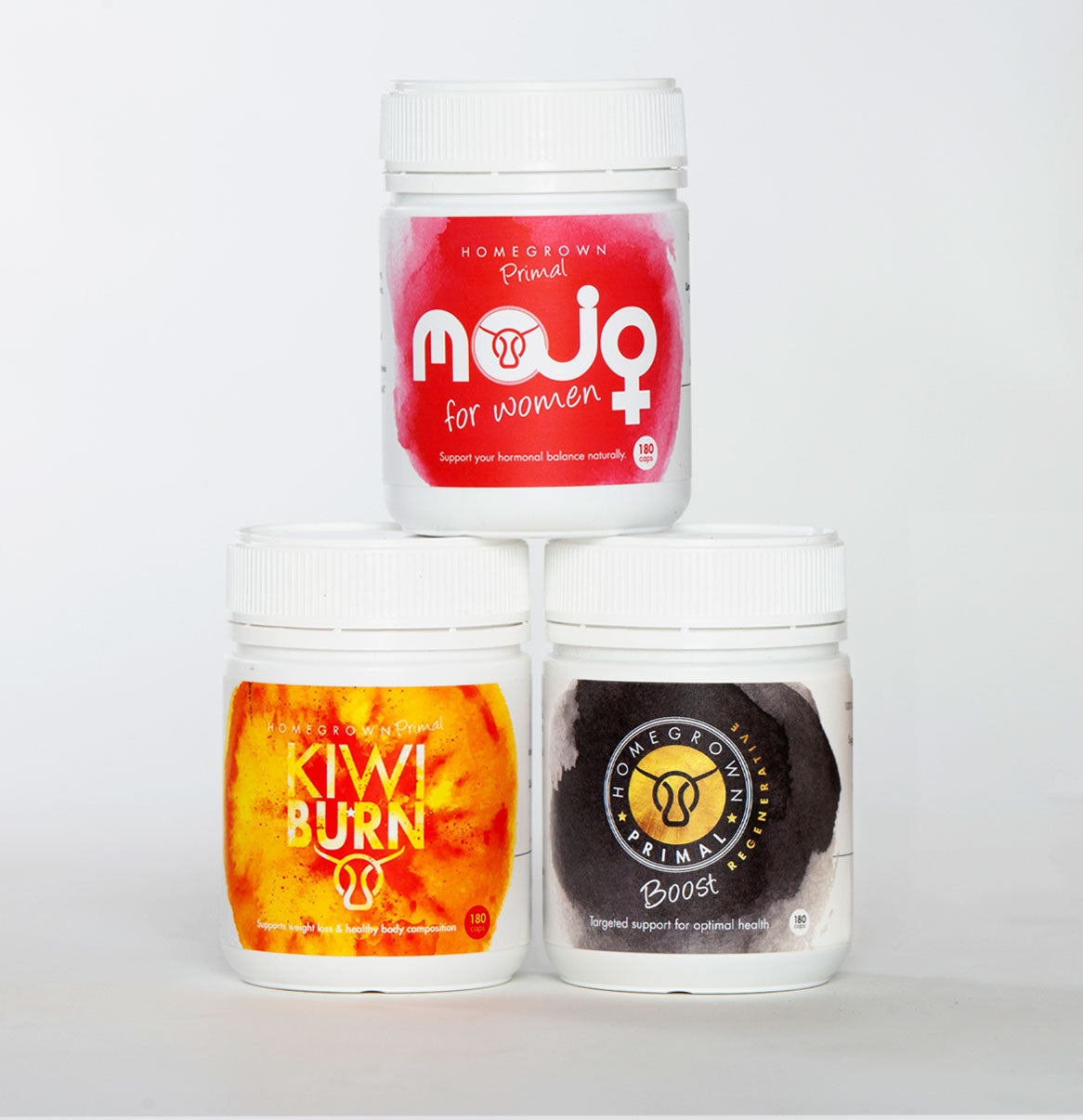
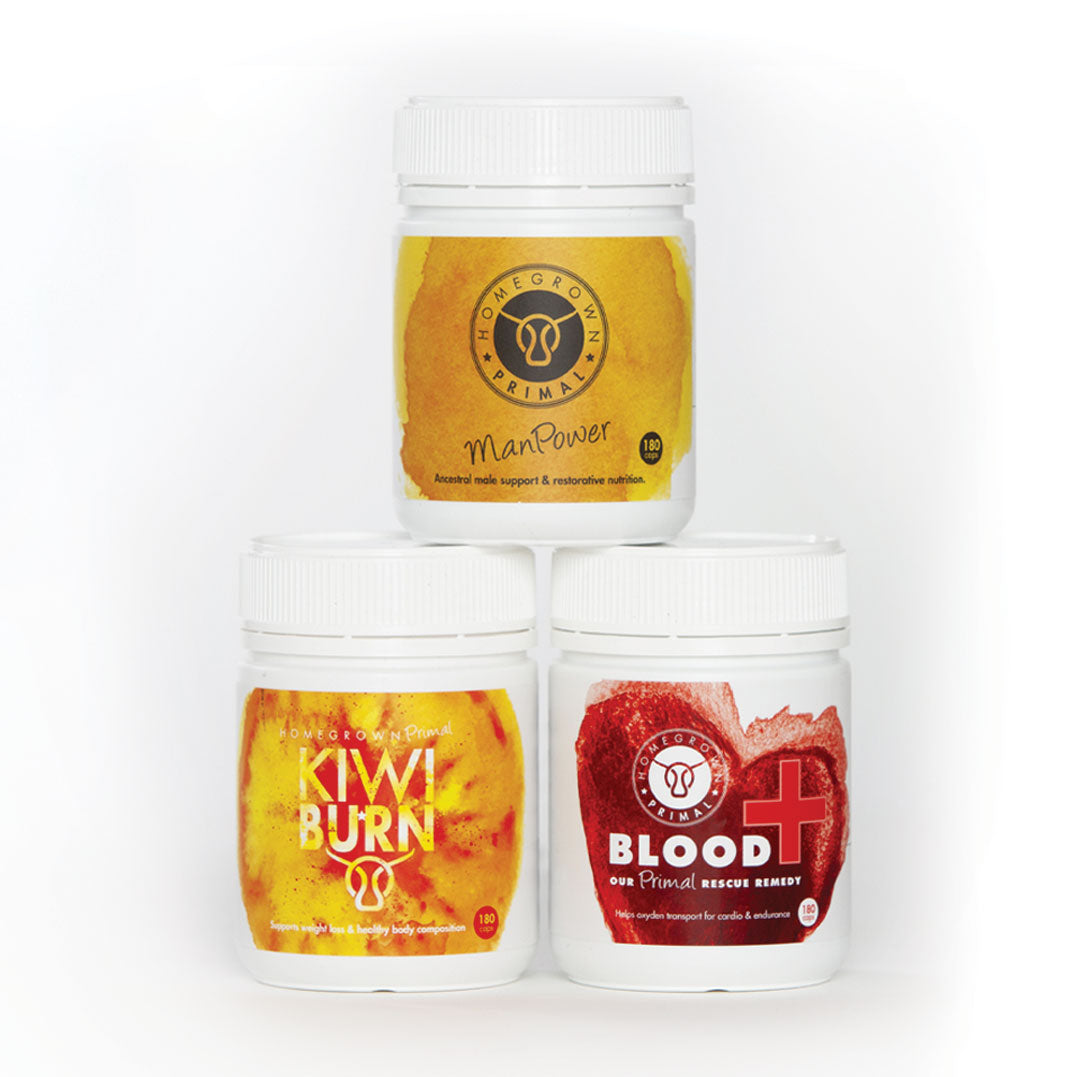
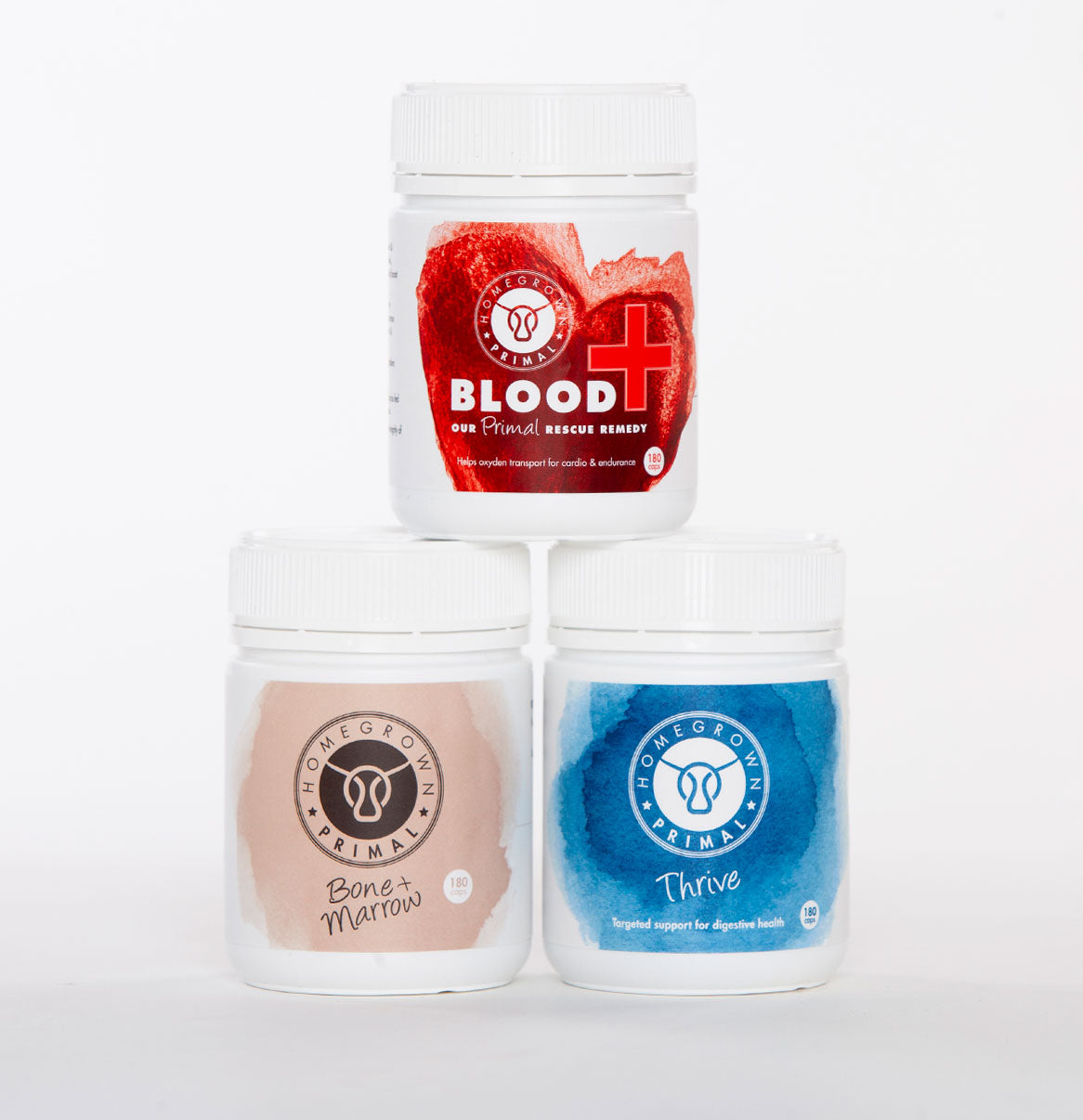

We regularly post on all things carnivore and organ nutrition. Any question you have we've probably written about it!
Read more on our Blog here: BLOG

How to check your testicles: a 3 minute habit 10 Nov 2026 · @janet Women have been checking for lumps and changes for years. We're taught how to do it, we're reminded at our check-ups, and we talk about it with our friends without blinking. Somewhere along the way it became normal, and that's a good thing. For a lot of men, it's a different story. Checking their testicles feels awkward. Talking about it feels even worse. So many men simply don't do it, or don't know how. This Movember, I want to help change that. Checking takes a few minutes in the shower, and it's one of the simplest ways to know your own body. Here's what Movember recommends, step by step. Why it matters Testicular cancer is the most common cancer in young men, according to Movember. Here in Aotearoa it's most common between the ages of 18 and 39 (Te Aho o Te Kahu). That's the age when most guys feel bulletproof and think health is something to worry about later. The good news is that when it's caught early, testicular cancer is highly curable. Movember puts the survival rate at more than 95% (Movember). Catching it early starts with knowing what's normal for you, so you notice when something changes. How to check, step by step Movember keeps it simple: three steps, about once a month (Movember Know Thy Nuts guide). Get warm first. Check during or after a warm shower or bath. The warmth relaxes the scrotum, so everything is easier to feel. Check one side at a time. Gently roll one testicle between your thumb and fingers. Feel its shape, size and consistency, and notice any lumps, swelling or pain. Repeat on the other side. Then make a mental note of how things feel, so next month you're comparing with your own normal. Healthify NZ also suggests standing in front of a mirror first to look for any swelling. What's normal. Healthy testicles feel smooth, firm and sensitive, but not painful (Movember). It's common for one to be slightly larger than the other. At the back of each testicle is a coiled tube called the epididymis, which normally feels a bit ropey (Healthify NZ). Knowing this means you won't mistake normal for a problem. If something feels different See your GP if you notice any of these (Movember, Healthify NZ): A lump, even a small one Swelling, or a change in size, shape or feel Pain, aching or discomfort that doesn't go away Anything that feels new or unusual for you Don't panic. Healthify NZ notes that in most cases the cause of a lump or swelling isn't serious. But it always needs checking, and sooner is better. One exception is urgent. Sudden, severe pain in the testicles or lower belly needs medical help straight away (Healthify NZ). And to the women reading this: you already know how this works. Share it with the men in your life. Sometimes all it takes is someone saying, "Have you checked?" FAQ How often should I check? About once a month. Movember suggests making it a habit, like part of your shower routine. What age should I start? Testicular cancer is most common between 18 and 39, but it can happen at other ages too (Te Aho o Te Kahu). Starting young means you know your normal early. One of mine is bigger than the other. Is that a problem? Usually not. It's common for one testicle to be slightly larger (Healthify NZ). What matters is noticing a change. I found a lump. Does that mean cancer? Not necessarily. Most lumps and swellings have a cause that isn't serious, but every one needs checking by a doctor. Is it awkward to bring up with my GP? Your GP checks this all the time. A few awkward seconds is a small price for peace of mind.
Learn more
What Kiwi Science Says About Keto: Professor Grant Schofield’s Research, Explained If you’ve been curious about keto but wary of the wellness-industry hype, it’s worth knowing that some of the most credible research on low-carb, high-fat eating is happening right here in New Zealand — led by Professor Grant Schofield, Professor of Public Health and Director of the Human Potential Centre at AUT. Unlike a lot of keto content online, Schofield’s work isn’t about quick fixes or Instagram transformations. It’s peer-reviewed, published, and grounded in a genuine challenge to the nutrition orthodoxy most of us grew up with. The Problem He’s Trying to Solve Schofield’s research centres on a hypothesis that’s still controversial in mainstream nutrition circles: that the low-fat diet approach and the lipid hypothesis that dominated nutrition advice for decades may have done more harm than good. His team’s work points to chronically high insulin levels — hyperinsulinemia — as a key driver in the development of chronic disease, rather than dietary fat itself. Ketolean That’s a genuinely disruptive idea. It reframes conditions like obesity, type 2 diabetes and cardiovascular disease not as failures of willpower or “eating too much fat,” but as downstream effects of a system chronically overloaded with glucose and insulin. What the Research Actually Shows One of the more practically useful studies to come out of Schofield’s group looked at how different levels of carbohydrate restriction affect people trying to get into ketosis. Researchers tracked blood ketones, “keto flu” symptoms and mood daily over three weeks across very-low, low, and moderately-low carbohydrate diets. A few findings stand out: If you're interested in the studies, the links are here. Ketosis is achievable at more than one carb level. Diets with just 5% of energy from carbohydrates are ketogenic, but diets with 15–25% carbohydrate can also produce meaningful ketone levels, useful to know if strict keto feels unsustainable long-term. ScienceDirect The “keto flu” isn’t inevitable, and it isn’t dose-dependent in the way people assume. There was little meaningful difference in keto-flu symptoms or mood across the very-low, low, and moderate groups. ScienceDirect Energy intake matters more than people think. There was a significant association between how much people ate overall and how their mood responded — a reminder that under-eating on keto can undo a lot of its benefits. ScienceDirect The takeaway from Schofield’s team: carb restriction should be prescribed by individual need, not just to avoid withdrawal symptoms. In other words — there’s no single “correct” level of keto. It’s individual. ScienceDirect Beyond the Lab: What The Fat Schofield took this research out of academic journals and into people’s kitchens with What The Fat, a book he co-wrote with fellow AUT researcher Dr Caryn Zinn and chef Craig Rodger. At its launch, Schofield said the goal was to put health back in the hands of the public, arguing it’s time to change the way nutrition science gets communicated. The book set out the reasoning behind low-carb, healthy-fat eating alongside recipes, bridging the gap between “here’s a study” and “here’s what to actually cook tonight.” AUT A Few Practical Habits Schofield Points To Beyond the carbohydrate research, Schofield’s broader recommendations for metabolic health include having periods of time without eating, occasionally doing longer intermittent fasts, using creatine for brain health, and getting outside into daylight — all habits that pair naturally with a low-carb, animal-based way of eating rather than sitting in opposition to it. Fabulously Keto Why This Matters If You’re Already Eating Animal-Based If you’re already prioritising nutrient-dense, animal-based foods, organ meats, quality protein and healthy fats, Schofield’s research offers a science-backed reason why that approach tends to work so well metabolically. Keeping insulin low and stable isn’t a fad; it’s a mechanism his team has spent years documenting. And because organs like liver, kidney and heart are some of the most nutrient-dense foods available, they’re a natural fit for anyone eating this way, which is exactly the gap Homegrown Primal’s freeze-dried supplements are designed to fill for people who want the benefits without cooking organ meat themselves.
Learn more
What Movember funds, and why growing a moustache isn't the point 2 Nov 2026 Every November, top lips across New Zealand and Australia get a little hairier. Some of those moustaches are glorious. Most are patchy, a bit awkward and very funny. And that's exactly the point. A moustache is hard to ignore. It gets you asked, "What's going on with your face?" That question is the opening Movember is built on. The moustache is never the goal. It's the excuse to talk about something most men would rather avoid: their health. This month our team is getting behind Movember, and I wanted to start by explaining what your support actually funds. Because when you know where the money goes, you realise growing a Mo is the easy part. What Movember actually funds Movember has put more than AUD $1.8 billion into men's health work over the past 22 years. It focuses on three areas. Mental health and suicide prevention. This is where some of the hardest numbers sit. Movember funds programs that help men talk earlier and look out for each other. Ahead of the Game works through sports clubs. Movember Conversations gives practical tips for asking a mate how he's really going. Prostate cancer. Movember funds research and support for men living with prostate cancer and their partners. Its True North program covers life during and after treatment, including the parts men rarely ask about. Testicular cancer. Testicular cancer is most common between the ages of 18 and 39 (Te Aho o Te Kahu). That's young men who often don't think health is something to worry about yet. Movember's Know Thy Nuts campaign is about knowing what's normal for your own body. Movember also runs the Movember Institute of Men's Health, which researches why men's health outcomes lag behind and what actually helps. Why growing a moustache isn't the point Movember's 2025 report on men's health in Aotearoa found that two in five men here die before the age of 75 (Scoop, Aug 2025). New Zealand men die almost four years earlier than women, mostly from heart disease, certain cancers and suicide. In Australia it's a similar story, with almost two in five men dying early from causes that are largely preventable. The figure that stopped me was this one. Three in four New Zealanders who die by suicide are men, and suicide is the leading cause of death for men aged 15 to 34 (Scoop, Aug 2025). Those are our sons, brothers, partners and mates. The same report found six in ten men feel their concerns aren't taken seriously by health providers. Nearly two thirds say masculine stereotypes have hurt their health. So the problem isn't only illness. It's men waiting too long, keeping quiet and feeling like asking for help is a weakness. That's why the moustache matters, and why it isn't the point. It's a 30 day reminder on your face that the conversation is allowed. What you can do this month You don't need a moustache to be part of this. Here are a few simple things that make a real difference. Book the check you've been putting off. A GP visit, a blood test or a skin check. If you're a man reading this, do it this month. If you love one, nudge him. Know what's normal for your body. Changes are easier to notice when you know your baseline. If something feels different, get it looked at early. Ask a mate how he's really going. Then ask again. Movember's advice is simple: ask, listen, encourage action and check in later (Movember ALEC guide). Move together. A walk, a surf or a bike ride side by side is often where the real conversations happen. Back the cause directly. Our team is growing Mos this month and raising money for Movember. You can donate on our team page here: [team page link]. Every dollar goes straight to Movember. At Homegrown Primal, simplicity is everything. Real food, real conversations, and looking after the foundations before something forces you to. Men's health is no different. Start before you have to. FAQ Do I have to grow a moustache to support Movember? No. You can donate, join a challenge like moving for mental health, or simply have the conversation. Where does the money go? To Movember's work on mental health and suicide prevention, prostate cancer and testicular cancer. Is Homegrown Primal running Movember? No. We're a team supporting Movember with our own fundraising page. Donations go directly to Movember. How do I start a conversation with a man who won't talk? Keep it low pressure. Do something side by side, like a walk or a drive, and ask an open question. Then listen, and check in again later. What should I do if I'm worried about my own health? Talk to your GP. If you or someone you know needs to talk to someone now, free call or text 1737 in New Zealand, or call Lifeline on 13 11 14 in Australia.
Learn more
Why men and women carry pressure differently, and the small daily habits that help. Its tough at the moment, cost of living, elections in NZ, fuel costs, and Im not surprised if you're feeling the tension. Possibly, there may be some words in here to offer you support.
Learn moreYour cart is currently empty.
Not sure what to buy? Take a look at some of our Best Sellers.