Mince used to be the quiet hero of the New Zealand dinner table.
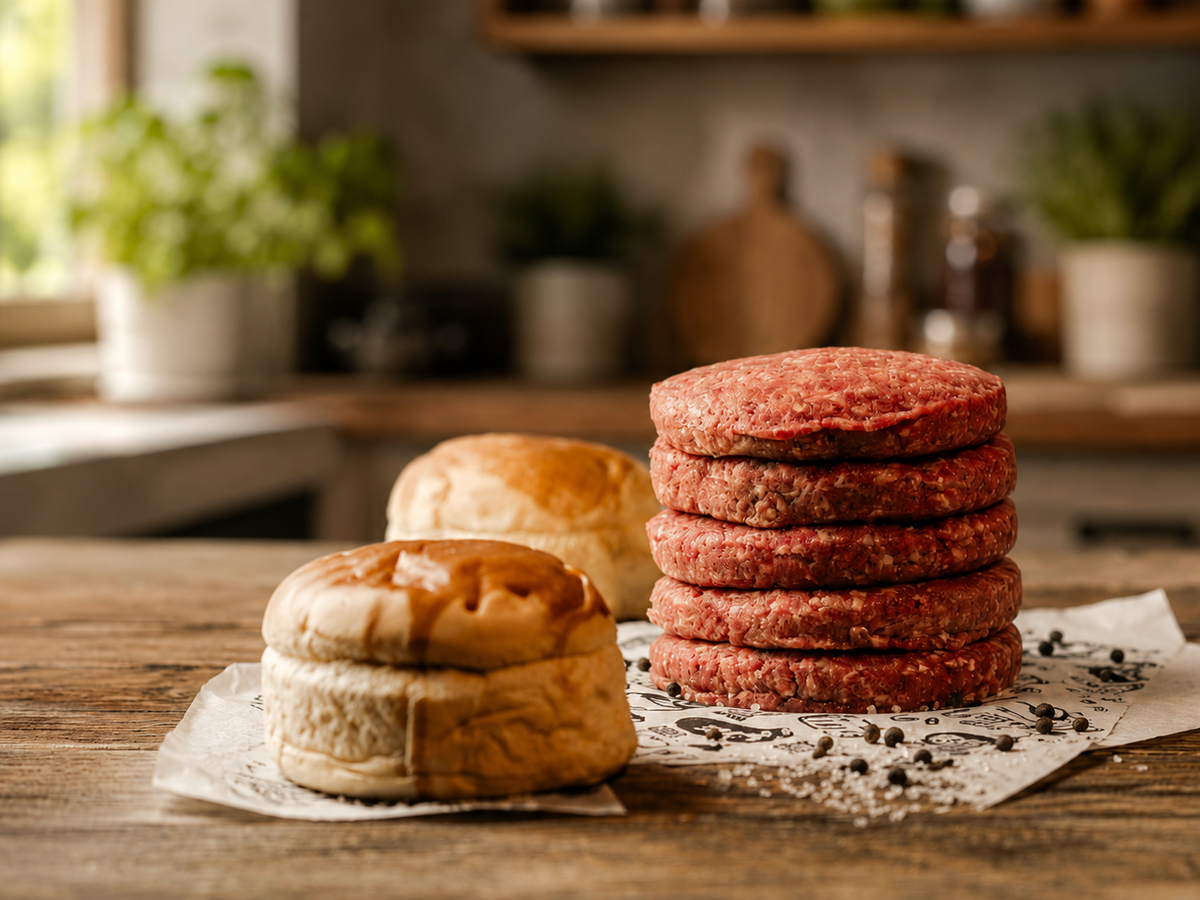
It was affordable, forgiving and endlessly useful. A packet of mince could become burger patties, meatballs, a cottage pie, a chilli or a simple bowl of beef and eggs. It gave families a dependable source of protein without the price tag of steak.
But mince is not the cheap option it once was.
In July 2026, the average retail price of beef mince in New Zealand rose above $24.40 a kilogram. In early 2024 it was around $18. That is an increase of more than 30 percent in only two and a half years.
For a food many families have relied on to make the weekly budget work, that hurts.
Why is Beef Mince So Expensive in New Zealand?
The short answer is that New Zealand mince is no longer competing just for space in the local supermarket trolley. It's competing in a global meat market.
The United States cattle herd is at a 74-year low, leaving the country short of domestic beef. American consumers are also moving away from the most expensive cuts and buying more ground beef and burgers instead. That matters to us because around 85–90 percent of the New Zealand beef exported to the US is lean processing beef—the very beef used to make ground beef and burger patties.
Strong American demand is therefore pulling on the same part of the animal that becomes mince here at home.
But that's not the only reason for the price rise.
Global beef supplies are tight and fewer cattle are expected to be processed in New Zealand this season (although our herd size is increasing). Currency, processing, transport and retail costs all play a part too. But powerful export demand means local shops must effectively compete with what overseas buyers are prepared to pay.
This is good news for farmers who endured some very difficult years, and strong agricultural exports are good for New Zealand. But there is another side to the story: New Zealand families are finding it harder to afford the food we produce so well.
Is Mince Still Good Value?
At $24.40 a kilogram, a 150-gram portion costs about $3.66. A 500-gram packet costs $12.20 and can provide four moderate portions at just over $3 each.
That is no longer cheap, particularly for a large family, but packet price isn't the only measure of value. Mince provides complete protein along with iron, zinc and vitamin B12. It is filling, easy to cook and produces very little waste.
Mince still has value. We simply need to buy and use it more deliberately.
I'm a little addicted to brisket mince. It's a cheaper cut, which is really fatty, so very tasty and versatile. I'm also seeing a lot more venison mince available in our stores now.
How Can We Keep Affordable Meat on the Family Table?
Shop by the kilogram, not by the packet
A smaller packet can look cheaper while costing considerably more per kilogram. Check the unit price, watch for genuine specials and buy several packs when the price is right. Freeze mince flat in meal-sized portions so it thaws quickly and nothing is wasted.
Buy bigger, then share
Family packs, frozen mince and commercially processed beef boxes can offer better value. If a whole or half beast is too much, split a box with family, friends or neighbours. Always compare the final price per kilogram, what cuts are included and whether delivery is extra. Buying direct is not automatically cheaper, but it can be excellent value when the numbers work.
Make friends with your butcher
Ask what offers the best value that week rather than arriving committed to one cut. Butchers may have larger packs, trim, fattier mince, soup bones or less fashionable cuts that do not make it into supermarket promotions. Fattier mince can also be flavourful and satisfying, so the leanest option is not necessarily the best buy. You can also ask your butcher to mince in some heart or liver to make the kilos go further.
Look beyond mince
Compare beef with eggs, whole chickens, chicken thighs, pork shoulder, tinned sardines and other animal foods. Prices move, so the best-value protein will not be the same every week. The aim is not to replace nourishing food with ultra-processed filler. It is to stay flexible within real food.
Rediscover the whole animal
Heart, liver and kidney are often overlooked, despite being some of the most nutrient-dense parts of the animal. Heart is largely muscle and can be sliced, diced or added to mince. A small amount of finely chopped liver can disappear into patties or a meat sauce while adding flavour and valuable nutrients.
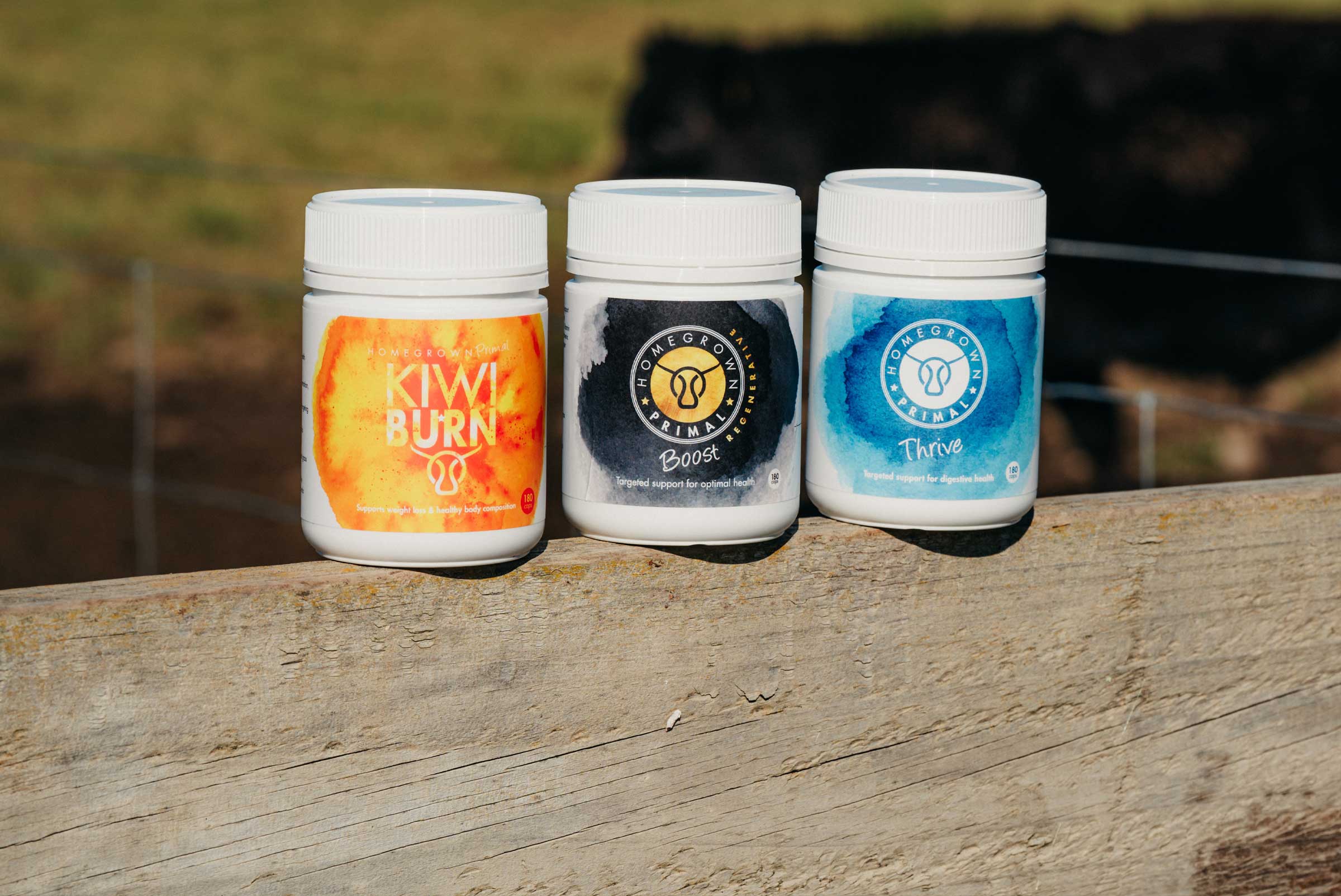
Organs can replace the protein required for a meal. An organ supplement is different. It isn't a replacement for dinner, but it can provide a convenient way to include organ nutrition in your diet. Organs are one way to make better use of the whole animal and get more nutrition from the food budget.
Cook once and waste nothing
Make a larger batch, serve what you need and turn the remainder into tomorrow's breakfast or lunch. Save cooking juices. Use bones for broth. Freeze leftovers before they become forgotten refrigerator archaeology. The cheapest meat is the meat we actually eat.
The Answer is Not Less Meat, But More Resourcefulness
We cannot control the American cattle herd, international demand or the supermarket price this week. We can control how we shop, how much we waste and how much of the animal we consume. Becoming a proactive purchaser and thinking beyond the box will provide some great meat inspiration!
For decades, we became accustomed to choosing only a few familiar cuts while much of the animal disappeared from the modern kitchen. Rising prices may force us to recover some older wisdom: buy together, cook slowly, use everything and judge food by the nourishment it provides, not simply by the number printed on the packet.
Mince may no longer be cheap. It is still simple, versatile, deeply nourishing food. Let us keep it on the table by becoming more intelligent shoppers and more adventurous cooks.
Mince, baby. We are not giving you up that easily.