What Is Type IV Collagen
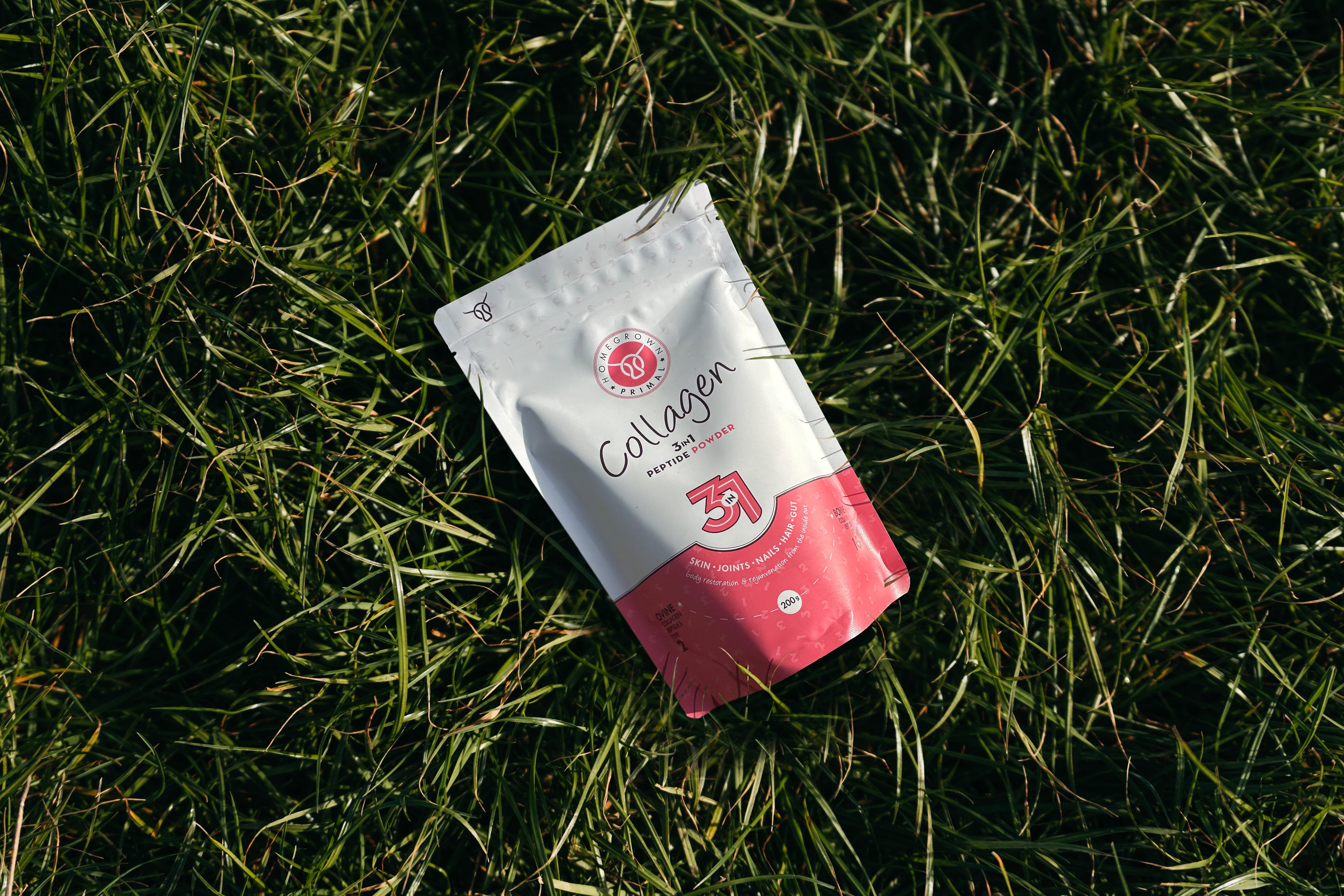
When we talk about collagen, we usually think about skin, joints, bones and connective tissue. We hear most often about collagen types I, II and III, the three forms found in our 3-in-1 Collagen.
But there is another fascinating type of collagen working beneath the surface: type IV collagen.
Unlike the collagen that gives structure and strength to our skin, bones and cartilage, type IV collagen creates a fine, flexible foundation beneath our cells. It is an essential part of the microscopic architecture that helps hold our tissues together.
What makes type IV collagen different?
Collagen types I, II and III form strong fibres. You could think of these fibres as ropes that give tissues strength, flexibility and resilience.
Type IV collagen is different. Instead of forming fibres, it creates a thin, sheet-like network called the basement membrane.
The basement membrane sits beneath and around many of our cells. It helps anchor cells in place, separates different tissue compartments and provides a foundation upon which tissues can grow and repair.
If types I, II and III are the ropes and framework of the body, type IV collagen is more like the finely woven fabric beneath them.
Where is type IV collagen found in the body?
Type IV collagen is found throughout the body, particularly in the basement membranes surrounding or supporting:
-
blood vessels and capillaries
-
the gut lining
-
skin cells
-
muscles
-
nerves
-
the lungs
-
the liver
-
the kidneys
-
glands
-
the eyes
It is especially important in the kidneys, where it helps form the glomerular basement membrane. This is part of the delicate filtration system that helps the kidneys filter blood.
Type IV collagen is also an important part of the basement membranes surrounding our smallest blood vessels. These membranes help provide stability while still allowing the exchange of nutrients, oxygen and waste products between the blood and surrounding tissues.
It may be microscopic, but its role is fundamental.
Where do we find type IV collagen in our diet?
Because type IV collagen is found in the basement membranes of animal tissues, it will naturally be present in foods that retain these structures.
Potential whole-food sources include:
-
kidney
-
liver
-
lungs
-
blood vessels
-
tracheal tissue
-
gastrointestinal tissues
-
muscle meat containing its natural connective and vascular tissues
-
other minimally processed nose-to-tail foods
Kidney is one of the clearest examples because its filtration structures contain highly specialised networks of type IV collagen. Liver, lungs and vascular tissues also contain extensive basement membranes.
However, this is an emerging area of nutritional research. We do not yet have reliable food-composition tables showing exactly how much type IV collagen is present in a serving of kidney, liver or tracheal tissue.
What we can say is that traditional nose-to-tail diets exposed us to a much wider variety of animal tissues than the modern muscle-meat-only diet.
When we ate the whole animal, we consumed skin, cartilage, organs, connective tissue, blood vessels and the microscopic structures within them. Each provided a slightly different nutritional profile.
Is type IV collagen in our 3-in-1 Collagen?
Our 3-in-1 Collagen has been created around three established collagen types:
-
Type I, associated with skin, bone, tendons and connective tissue
-
Type II, found predominantly in cartilage
-
Type III, associated with skin, blood vessels and flexible connective tissue
The ovine collagen in the blend provides collagen associated with types I and III. Trachea and scapula cartilage provide the type II component.
Because tracheal tissue may retain some surrounding epithelial and vascular structures, it is possible that small amounts of other collagens are naturally present. However, we have not specifically tested the finished blend for type IV collagen.
For that reason, we would not describe 3-in-1 Collagen as a direct or measured source of type IV collagen.
What it does provide is a whole-food source of collagen-rich tissues, amino acids and naturally occurring collagen peptides that become part of the body’s nutritional building pool.
Does the collagen we eat go directly to our tissues?
This is where the body’s intelligence becomes important.
When we consume collagen, it does not travel intact from the digestive system directly into our skin, joints or kidneys.
During digestion, collagen is broken down into amino acids and small peptides. These include:
-
glycine
-
proline
-
hydroxyproline
-
small hydroxyproline-containing peptides
Research shows that some of these collagen-derived peptides appear in the bloodstream after collagen is consumed.
The body then decides where those materials are needed. It may use them as part of its ongoing maintenance or for rebuilding skin, connective tissue, cartilage, blood vessels or other structures.
We are not transplanting an animal’s collagen into our own tissues. We are giving the body nutritional building materials and trusting it to use them according to its needs.
Can eating collagen help us make type IV collagen?
Our bodies manufacture their own type IV collagen. This is a complex biological process controlled by our cells and genes.
Dietary collagen can supply amino acids commonly used in collagen formation, but we cannot say that consuming a particular collagen product will specifically increase type IV collagen in the kidneys, gut, blood vessels or skin.
The body also requires nutritional cofactors to manufacture and maintain collagen. Vitamin C is particularly important because it supports enzymes involved in stabilising newly formed collagen.
Adequate protein and a nutrient-dense diet also provide the wider nutritional environment needed for tissue maintenance.
This is why it makes more sense to think in terms of nourishment rather than direct replacement.
Why nose-to-tail nutrition still matters
Modern diets tend to focus almost entirely on muscle meat. Muscle meat is incredibly nutritious, but it represents only one part of the animal.
Traditional diets included a much broader selection of tissues: organs, skin, cartilage, bone, marrow and connective tissue. These foods supply different amino acids, minerals, fats and structural proteins.
Type IV collagen gives us another reason to get curious about these forgotten foods.
We are only beginning to understand the complexity of the extracellular matrix, the biological scaffolding that surrounds our cells. We are also beginning to appreciate that animal tissues are far more nutritionally complex than a simple protein number on a label.
Our 3-in-1 Collagen does not claim to deliver type IV collagen directly. It provides collagen types I, II and III alongside the amino acids and peptides that collagen-rich tissues naturally contain.
The body does the rest.
That is the beauty of whole-food nutrition: we provide the raw materials, and the body retains the wisdom to decide how they should be used.