Blog

Good Nutrition Starts at the Source
The quality of a supplement starts with the land, the animal, and the standards behind it. Here’s why sourcing matters at Homegrown Primal.
Learn more
Why Organ Supplements Make Sense If You Don't Eat Organ Meats
I have a vision of a perfect world where we all shop at a local butchers or farmers market and organ meats are readily available for people to cook and eat. But I know for most people, that vision has been swallowed by the pace of modern life. And the trouble is, despite the incredible value of organs, most people are missing them from their diet. Organ meats make sense. Modern life doesn’t make them easy Ideally, we’d all be eating liver, heart and kidney regularly. We’d know where they came from, how to cook them, and how to work them into family meals. But so many of us are in a rush. We shop quickly. We cook what we know. We feed our families while managing work, routines, and everything else that fills a week. And organ meats, for all their value, often fall into the too-hard basket. Why people avoid them For some, it’s the taste. For others, it’s the prep. For many, it starts even earlier than that. They don’t know where to buy good quality organs, how to cook them properly, or how to make them enjoyable to eat consistently. That’s the real issue. It’s not that organ meats aren’t worth eating. It’s that they’re not always practical. But the nutrition still matters Just because something is inconvenient doesn’t make it less valuable. Organ meats have been prized for generations for a reason. They offer the kind of nourishment that modern diets often leave out. The problem is not the food. The problem is access. And it's one of the main reasons Marty and I started Homegrown Primal. We realised how important organs were, and how few people were actually eating them. We didn't want our friends and family to miss out on the benefits of organ nutrition, so we found a way to make them more accessible. A practical way back to real nutrition Organ supplements give people a way to access the benefits of organs without the usual barriers. No sourcing issues.No prep.No cooking.No strong taste.No wasted good intentions sitting in the fridge. Just a simple, practical way to bring organ nutrition into modern life. It's important, because the best nutrition is often the nutrition you can take consistently. Convenience without compromise A lot of modern convenience comes at the cost of quality. This is different. When organ supplements are sourced from reputable farms, from animals raised the right way, and made with nothing added or taken away from them, convenience becomes a real strength. You’re not moving further away from real food. You’re finding a way to include it. That’s the point of modern ancestral nutrition. Not to recreate the past perfectly, but to hold onto what matters and make it work in the present. It doesn’t have to be all or nothing You don’t have to cook liver every week to value nose-to-tail nutrition. You don’t have to pretend you love the taste of organs if you don’t. And you don’t have to choose between doing it perfectly or not doing it at all. For many people, organ supplements are the bridge. They make ancestral nutrition accessible and easy to stick with. Final thought In a perfect world, more people would cook organ meats regularly. But in the world we live in, convenience matters. When organ supplements are made from real whole foods, they offer a hassle free way to include this incredible nutrition in your diet. No sourcing.No prep.No cooking.No taste barrier. That's why I believe organ supplements have earned their place. For many people, they are the most realistic way to bring the benefits of organ meats into a modern diet.
Learn more
Most Supplements Are Synthetic. But What Does That Really Mean?
Most supplements are synthetic or made from isolated nutrients. This article explores what that really means, how synthetic nutrients differ from whole-food nutrition, and why food may be more than the sum of its parts.
Learn more
Can Colostrum Help With Low Iron?
Could colostrum help with low iron? Explore the link between gut health, lactoferrin, immunity, and nutrient absorption.
Learn more
Creatine from Meat: Do you really need to supplement?
I got quite a response to my blog earlier this week on creatine supplements vs real food, so I thought it was worth following up. One of the most common questions I got was: “If I’m eating meat, do I actually need to supplement with creatine?” It’s a fair question, especially given how heavily creatine is being promoted right now. So let’s break it down. Why Creatine Is Everywhere Right Now Creatine has become one of the most talked-about nutrients in health and fitness. It’s often marketed as a performance supplement, but what many people don't realise is that Creatine is naturally found in animal foods. What Creatine Actually Does Creatine plays a key role in how your body produces energy. It helps regenerate ATP, the molecule your cells use for quick bursts of power. This supports: Muscle strength Physical performance Brain energy metabolism Recovery How Much Creatine Do You Need? Your body uses around 1–2 g of creatine per day. You get this from two sources: Your diet (meat and fish) Your body’s own natural production How Much Creatine Is in Meat? Creatine is found almost exclusively in animal foods, especially red meat. Food Creatine per 100 g Beef ~0.4–0.5 g Lamb ~0.4 g Fish ~0.5 g If you eat a meat-based diet, for example, around 400–500 g of red meat per day. You're getting: ~1.5–2.5 g of creatine daily. That already meets your baseline physiological needs. So Do You Need to Supplement? For most people: no If you: Eat red meat regularly Follow a meat-based or animal-based diet Are focused on general health Then your diet already provides meaningful amounts of creatine through food. When supplementation might help Creatine supplements (3–5 g/day) are used to: Increase muscle creatine stores above baseline Enhance strength and performance Support high-intensity training This is why they’re popular with: Athletes Bodybuilders High-performance individuals Whole Food Creatine vs Supplements There’s an important distinction here. Creatine from meat: Comes with protein, iron, B vitamins and cofactors Supports natural energy production Is delivered as part of a complete nutritional system Creatine supplements: Isolated compound Taken in higher doses Designed to push performance beyond normal levels The Bigger Picture Creatine doesn’t work alone. Your body relies on a network of nutrients to produce and use energy effectively, including: Iron → assists oxygen transport B vitamins → drive energy metabolism Amino acids → support repair and recovery These nutrients naturally come packaged together in animal foods. This is what whole-food nutrition provides, not just one compound, but the full system. The Takeaway A meat-based diet already provides creatine in its natural form. However, some people, athletes, post menopausal women, vegans and vegetarians need to supplement creatine. For most people, our meat based diet is enough to support: Energy Strength Overall health Supplementation is optional, not essential. Whole foods provide the foundation. Creatine supplements are used for pushing beyond it.
Learn more
What’s the Difference Between Creatine Supplements and Whole Food Creatine?
Creatine is is in the news a lot at the moment and it's often discussed as a supplement. But a lot of people are unaware that it’s actually a naturally occurring compound found in red meat and fish. Understanding the difference between whole food creatine and supplemental creatine helps put the current hype into perspective. Whole Food Creatine (the way we’ve always had it) When you eat red meat, you’re not just getting creatine in isolation, you're getting an enriching nutritional system that includes: Complete amino acids Heme iron for oxygen transport B vitamins for energy metabolism Zinc and selenium As well as natural cofactors that support absorption and utilisation Creatine doesn't show up alone when you ingest it from a natural source. In comes packaged with everything your body needs to use it. A meat-based diet typically provides 1–2 g of creatine per day (depending on intake). That's enough to support: Normal energy production Muscle function Brain metabolism Supplemental Creatine (isolated and amplified) Creatine supplements, usually in the form of creatine monohydrate, are a purified, isolated compound. They're usually taken at higher doses: 3–5 g per day (or more during loading phases) This pushes creatine levels beyond their natural baseline, which can support: Strength and power output High-intensity exercise performance Short-term recovery Improvements in cognition. Studies have shown improvements with people with Alzheimers. However, although supplementation delivers creatine in isolation, without the broader nutrient matrix found in whole foods, it has been shown to be useful. Loading phases aside, and unnecessary, we believe that small addition of creatine daily can be supportive. The Real Difference Whole Food Creatine Supplemental Creatine Found naturally in meat Isolated, synthetic compound Comes with supporting nutrients Delivered on its own Supports baseline physiological needs Increases levels beyond baseline Integrated into whole-food nutrition Targeted for performance enhancement No processing or additives Quality depends on manufacturing The Bigger Picture Creatine doesn’t work alone. Its role in the body depends on a wider network of nutrients involved in energy production and cellular function, many of which are found in animal foods and organs. For example: Iron supports oxygen delivery B vitamins drive energy metabolism CoQ10 (from heart) supports mitochondrial function Amino acids support repair and recovery This is why nose-to-tail nutrition matters. We now have many evidence based research on creatine use and it seems that on top of your meat diet 3gm of creatine will assist your cognition, strength gains and improve sleep. If you're not consuming red meat, then creatine becomes even more important. The Takeaway If you’re eating a meat-based diet, you're already consuming creatine in its natural, whole-food form, alongside the nutrients that support its function. If you're not eating red meat, creatine supplementation is a must. Supplemental creatine can be useful in specific situations, particularly for high-performance training, and most people do benefit from an additional (up to) 3gm a day. In my opinion, Creatine is the ultimate bio hack, and according to Dr Fredrick D: "The most researched supplement in sports science." If you'd like to learn more about creatine I'd recommend reading Dr Fredrick D's article about how to get creatine right, which is available on the link below: https://www.linkedin.com/pulse/evidence-based-supplements-edition-2-creatine-dierick-md-p8yge/?trackingId=Q5zGfjFTRL6wZ62jeiRBuQ%3D%3D
Learn more
Real Health Isn’t a Hack. It’s How You Live
The internet is swamped with people promising health, longevity, and rapid change. Scroll for a few minutes and you’ll find detoxes, miracle supplements, and “biohacks” that claim to transform your body in weeks. Everyone seems to be selling a shortcut. But my health hack is actually a lifestyle choice.
Learn more
How to Build a Daily Organ Nutrition Routine
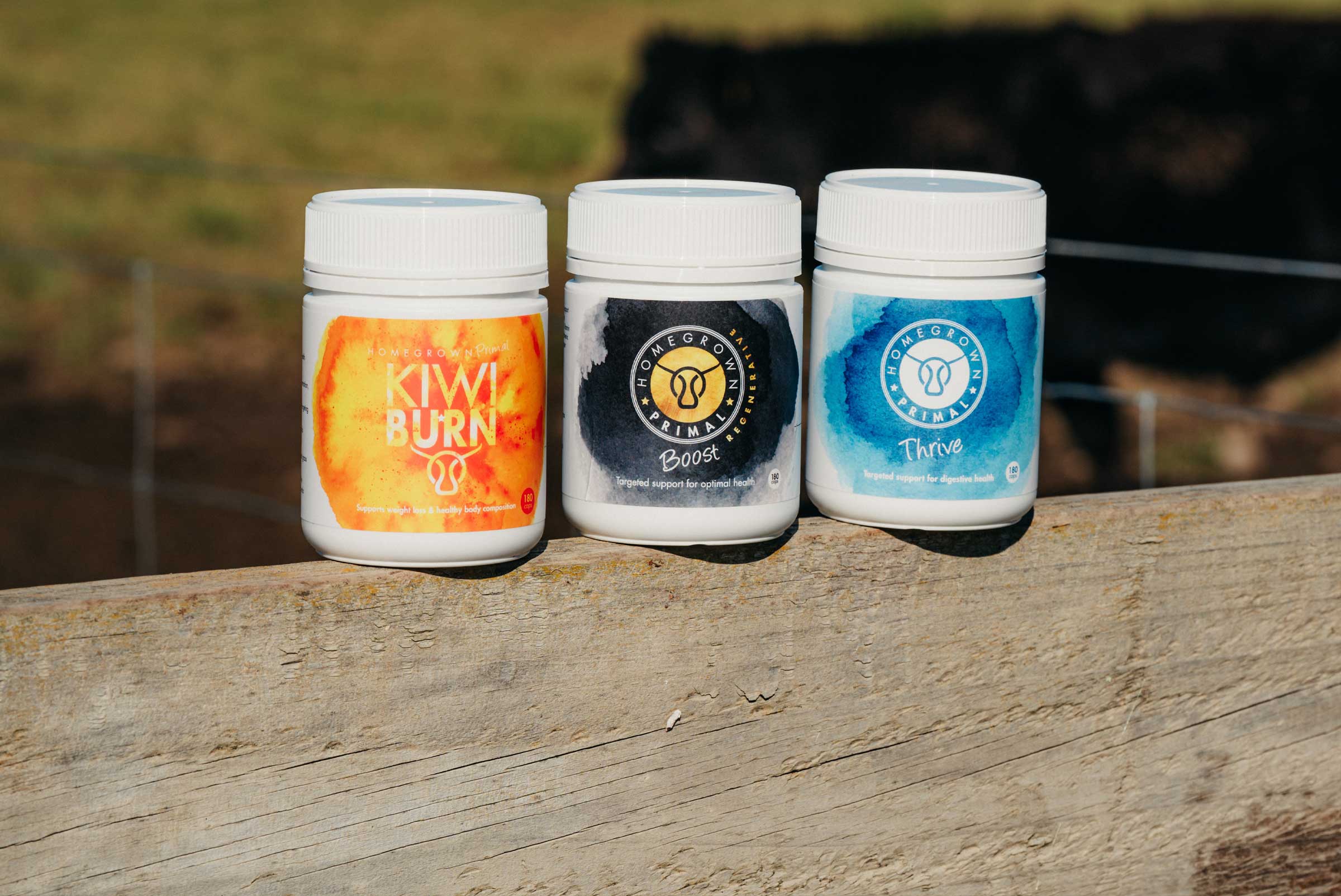
Building a Routine “I’ve been taking Complete Beast for a month and noticed how easily it has been incorporated into my daily regime and how good my body has been feeling. I've also been going to the gym every couple of days and blitzing my body. My coffee consumption has dropped and I've stopped drinking alcohol. Big changes with the Complete Beast addition. I've been feeling really well.”— Marty, HGP Why Organ Nutrition Matters If you're just started your organ journey and Complete Beast is your first experience with these nutrient-dense superfoods, then we're excited to be taking the first steps with you. Complete Beast is a fantastic entry point for adding organs into your diet. It provides a base level of nutrition and a micro-dose of essential peptides that support the body’s natural systems daily. Organs are nature's multivitamins and Complete Beast offers a unique blend of thirteen organs and glands, which provide a structured foundation of nutrition in a simple set of daily capsules. The real benefit, of course, comes from repetition. Taking them every day builds a rhythm your body can rely on. Building from the base If you're wanting to build from that foundation, you might start asking what comes next. Maybe you have low iron, you're recovering from injury, or something just feels a bit off. Where do you go from there, and what else can you take to give yourself an extra boost? For me, the products I immediately reach for are Boost and Thrive. I rotate these month by month depending on what my body needs. Together they help bring my nutritional profile closer to the Recommended Daily Intake for key nutrients like B12, Vitamin A, B6, choline and others - without making me feel overwhelmed with lots of bottles to keep track of. I know when I've got the mix right because my body tells me, and it makes me content knowing my nutritional essentials are being met. Alongside my animal-based diet, I feel so confident in the knowledge I'm fuelling my body with some of the best foods I can lay my hands on. Adjusting When Needed If I feel like my diet has been light on certain nutrients during the week, I’ll use Mojo, Ignition, or Kiwiburn to help fill those gaps. Sometimes it’s about bringing more saturated fats back into the mix when I haven’t been eating as much as usual. Other times it’s about more targeted support. One of the things I like most about our range is how easily each of our capsules complement each other. They can be rotated month by month as part of a wider routine, or used to offer more targeted support - like Mojo and Manpower - when specific areas need attention. Nothing complicated. Just tools you can use as and when you need them. When Consistency Starts to Show When you start supporting your body consistently with nutrient-dense foods you can feel the difference: Energy stabilises.Recovery improves. I love how these products anchor my day. With just a few capsules taken with coffee in the morning or a few with my food at night I know my bases are covered. It's simple. Whole Food Nutrition Made Simple It's worth remembering that Homegrown Primal products are whole-food supplements, made from 100% grass-fed and finished New Zealand beef. They’re simple, easy to take, and can effectively replace the real thing. No complicated meal planning. No trying to calculate exactly how much you should be eating. Just real nutrition, made practical. Start With the Base If you’re just getting started with organ nutrition, my advice is always the same. Start with real food and if you can't source or cook organ meats, begin with Complete Beast. Make it part of your daily rhythm and let that foundation build over time. From there, you can add other products when they make sense for you. Not because you need a complicated stack, but because sometimes the body benefits from a little extra support. In the end, the goal isn’t complexity, it’s consistency. And consistency is what turns good nutrition into long-term health.
Learn more
My Ancestral Shopping List: How to source real food in New Zealand
Knowing where your food has come from is important. When you follow an ancestral diet, sourcing is just as important as the food you eat. One of the simple principles I live by is: Know your farmer. Know your source. When you think about food this way, the way you shop changes. You look beyond the supermarket shelve and focus on the people behind the food and the passion they bring to producing it. Here's what my ancestral shopping list looks like, with some links to the amazing producers I get food from here in New Zealand. Sourcing Quality Meat in New Zealand When it comes to buying meat, I definitely have opinions about where I buy it from. Price is important, but I'm mostly guided by source. Our NZ supermarket meat is mostly sourced from the large meat abattoirs and the animal's origin is not recorded. When you care about where your food comes from and the way the animal was raised, that lack of clarity isn't ideal. That's why I often reach for Harris Meats produce (meat produced by farmers in North Canterbury) or, of course, First Light Farms who do an incredible job with regenerative farming and transparency. I have also been buying meat boxes from Middlehurst farms in Blenheim. I love the farm to table process that these producers can do now. I've recently met Fionna from Juniper Hill Farm. She has so much passion about what their farm does. It was really inspiring. I was lucky to have a chance to sit down with Logan Wait from Earth First Food at Underground Festival, too. His company is doing amazing work connecting the dots between farmers and customers so people can buy directly from producers. They're all fantastic and I recommend you check them out. Choosing Ethical Eggs and Dairy My eggs are mostly organic and always free-range, because honestly, who wants eggs from a sad chicken? When hens are raised outdoors and allowed to behave naturally, it shows in the quality of the eggs. The same principle applies to dairy. The cream I use is mostly organic and raw if I can get it. The closer food is to it's natural state, the better. Why I Avoid Supermarket Produce I don't eat any fresh produce from the supermarket. Sprays like insecticides or pesticides or mists to keep the veggies and fruit fresh are suspect! If I come across a fruit tree in someone's garden, like a fig, I will eat this. Not much, just a taste, but I always prefer food that comes straight from nature. Farmers Markets: The Best Place to Buy Real Food Farmers Markets are fantastic places to buy real food. They're full of passionate producers doing amazing things with real ingredients. When you buy directly from them, you’re not just buying food, you’re supporting the people who grow and produce it. Artisans who make specialist cheeses from their own milk always light me up. There's a buffalo farm in Canterbury that makes the best soft cheese ever! If you haven't already I suggest you find your local market and make it a weekly ritual. You'll meet some incredible producers who care deeply about what they do. Supporting Local Food Producers in New Zealand We're so lucky in New Zealand to have the most amazing food grown and raised on healthy land, and produced by passionate farmers whose feet walk their farms every day. By sourcing food from local farms, farmers markets, and ethical producers, we reconnect with the origins of what we eat. Let's support local producers and let their passion filter into our kitchens!
Learn more