I have a question for you today.
If we're eating healthier than ever before, why are chronic disease, obesity, diabetes, infertility and nutrient deficiencies still increasing?
It's a question I've been asking myself more and more lately.
Everywhere I go, people tell me they "eat healthy."
But what does that actually mean?
For many, it means starting the day with cereal or oats, choosing a salad for lunch, snacking on fruit, avoiding red meat, buying low-fat products and filling half their plate with vegetables.
It's what we've been taught for decades.
Most people genuinely believe they're making the best choices for themselves and their families.
And here's the thing, I don't blame them.
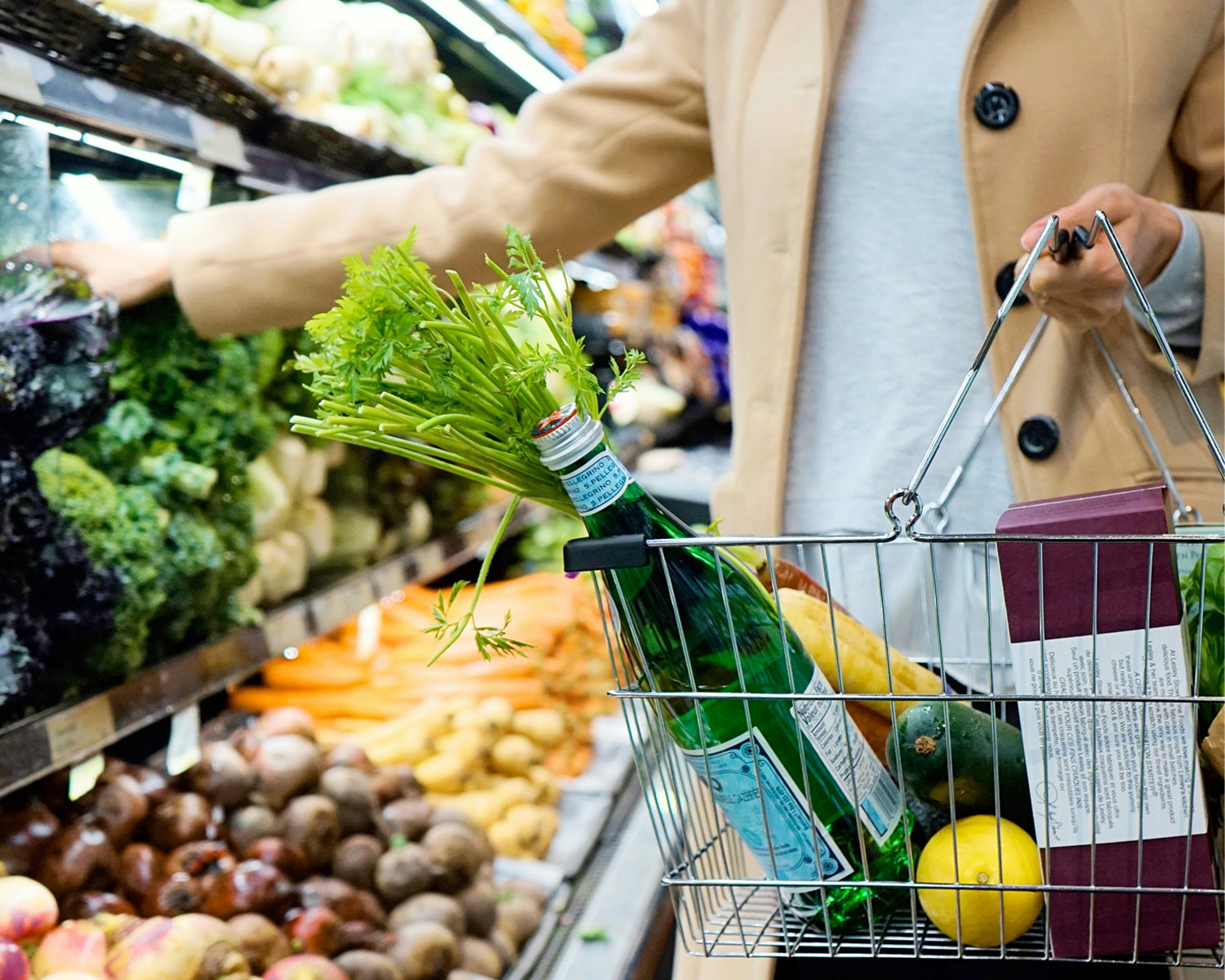
We've followed the advice. We've trusted the experts. We've bought the products with the healthy labels, swapped butter for margarine, chosen low-fat over full-fat and filled our shopping trolleys with foods we've been told are good for us.
But perhaps we've been asking the wrong question all along.
Instead of asking,
Is this considered healthy?
Maybe we should be asking,
How nourishing is this food?
Because healthy and nourishing are not always the same thing.
The Difference Between Healthy and Nourishing
For decades eating healthy has meant counting calories, reducing saturated fat, increasing fibre and eating more plant foods.
Yet despite all the advice, rates of chronic disease have continued to rise.
That doesn't mean people have stopped trying.
If anything, we're trying harder than ever.
Modern nutrition has become incredibly complicated. We're surrounded by 'superfoods', protein bars, green powders, fortified cereals, vitamin supplements and endless social media opinions telling us what we should and shouldn't eat.
We're constantly chasing the next solution.
Despite these 'optimisations' so many people still:
Feel tired.
Struggle with their weight.
Experience brain fog.
Have low energy.
Lack key nutrients.
So maybe eating well isn't about more foods.
Maybe it's about eating better foods.
Food Has Changed
Our ancestors didn't have nutrition labels.
They didn't count calories or measure protein.
They simply ate the foods available to them. Every edible part of an animal was valued because every part offered something different nutritionally.
Liver supplied iron, vitamins A and B12.
Heart provided CoQ10.
Kidneys were rich in selenium.
Bone marrow delivered healthy fats.
Bones became nourishing broths full of collagen and minerals.
Without knowing it, our ancestors naturally ate one of the most nutrient-dense diets humans have ever known.
The Modern Definition of Healthy
Today our supermarkets are overflowing with food.
Ironically, many of the foods taking up the most shelf space are the least nourishing.
Ultra-processed foods now make up a large proportion of the average diet.
Even many fresh foods don't contain the same concentration of nutrients they once did. Modern farming has achieved incredible productivity, but intensive agriculture, soil management practices and long supply chains have altered the nutritional landscape of food.
At the same time, we've removed some of the most nutrient-rich foods from our plates. Foods our grandparents thought were completely normal, like liver and kidney are now considered unusual.
We've replaced these ancient and nutritious options with convenient, heavily marketed and often highly processed alternatives.
Nutrition educator Candi Frazer has a memorable name for many of these products.
She calls them "clown food."
It's a phrase that makes me smile. And although it's tongue in cheek it carries an important warning.
Just because food comes in bright packaging with health claims doesn't automatically make it nourishing.
It's the ingredients on the back of the pack that count, not the claims on the front.
Nutrient Density Changes Everything
So wha't the solution.
I think we should stop asking:
What foods should I avoid?
And started asking,
Which foods give me the greatest nourishment per mouthful?
That's where everything changes.
When you look at food through the lens of nutrient density, the foods that consistently rise to the top are:
Eggs.
Seafood.
These foods provide complete protein, highly bioavailable iron, vitamin B12, zinc, choline, selenium, healthy fats and many other nutrients that are naturally packaged in forms our bodies can readily absorb and use.
One steak isn't simply protein.
It's nourishment.
One egg isn't simply breakfast.
It's one of nature's most complete foods.
Liver isn't an old-fashioned food.
It's one of the most nutrient-dense foods on the planet.
This isn't about eating more widely.
It's about eating foods that are rich in the nutrients we need.
Eating Ancestrally Doesn't Have to Be Expensive
One of the biggest myths I often hear is that eating this way costs too much.
I actually think the opposite can be true.
Our grandparents weren't buying expensive steaks every night.
They were buying brisket, chuck steak, beef cheeks, lamb shanks, soup bones and mince.
They cooked slowly to transform affordable cuts into incredible family meals.
Those same cuts remain some of the best value today.
Cook once.
Eat twice.
Freeze leftovers.
Build your meals around meat and eggs, rather than processed convenience foods, and you may be surprised how satisfying and economical it can be.
Bringing Ancestral Nutrition Into Modern Life
Of course, there's one food on my list a lot of people still struggle with.
Most of us know liver is incredibly nutritious. We just don't enjoy preparing it or eating it.
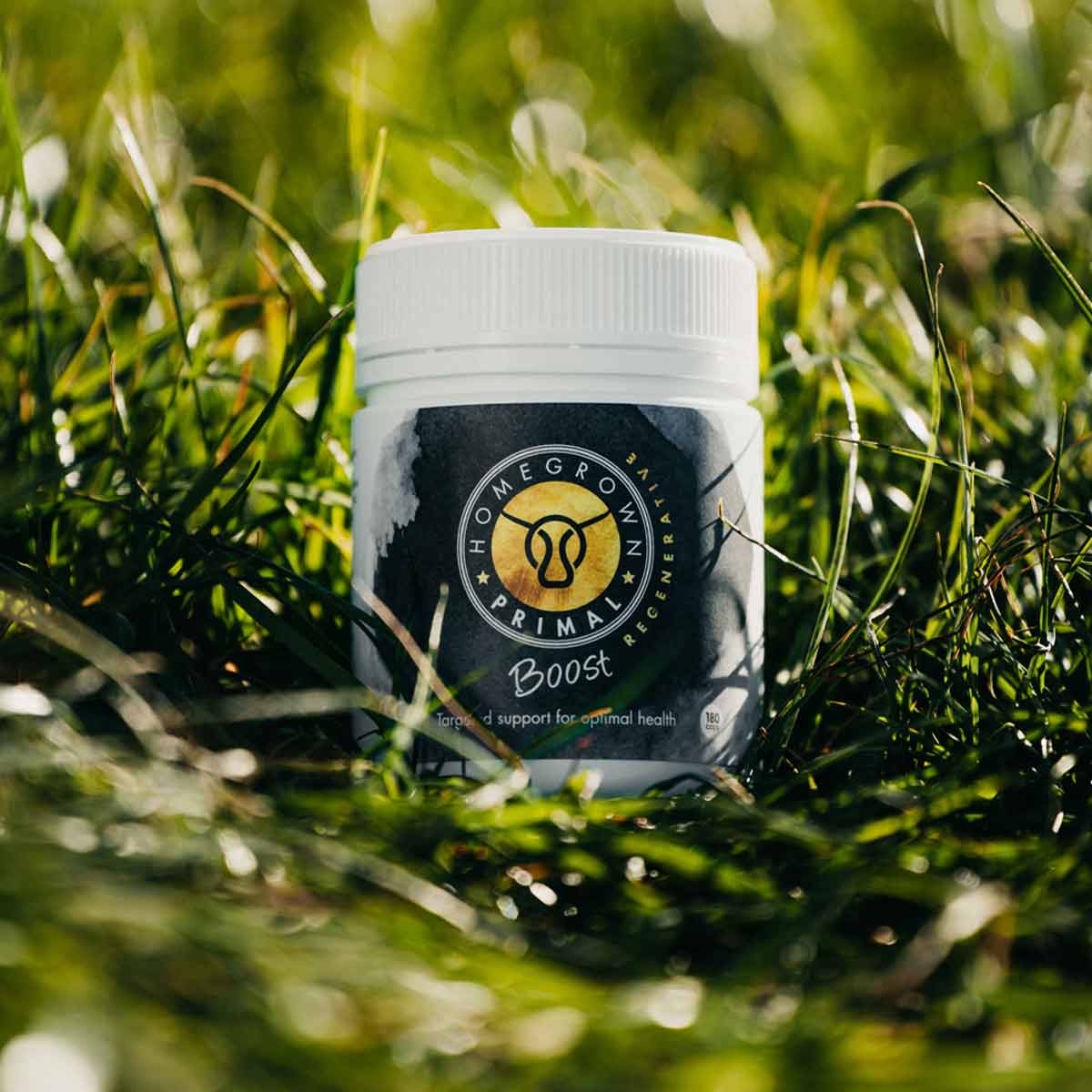
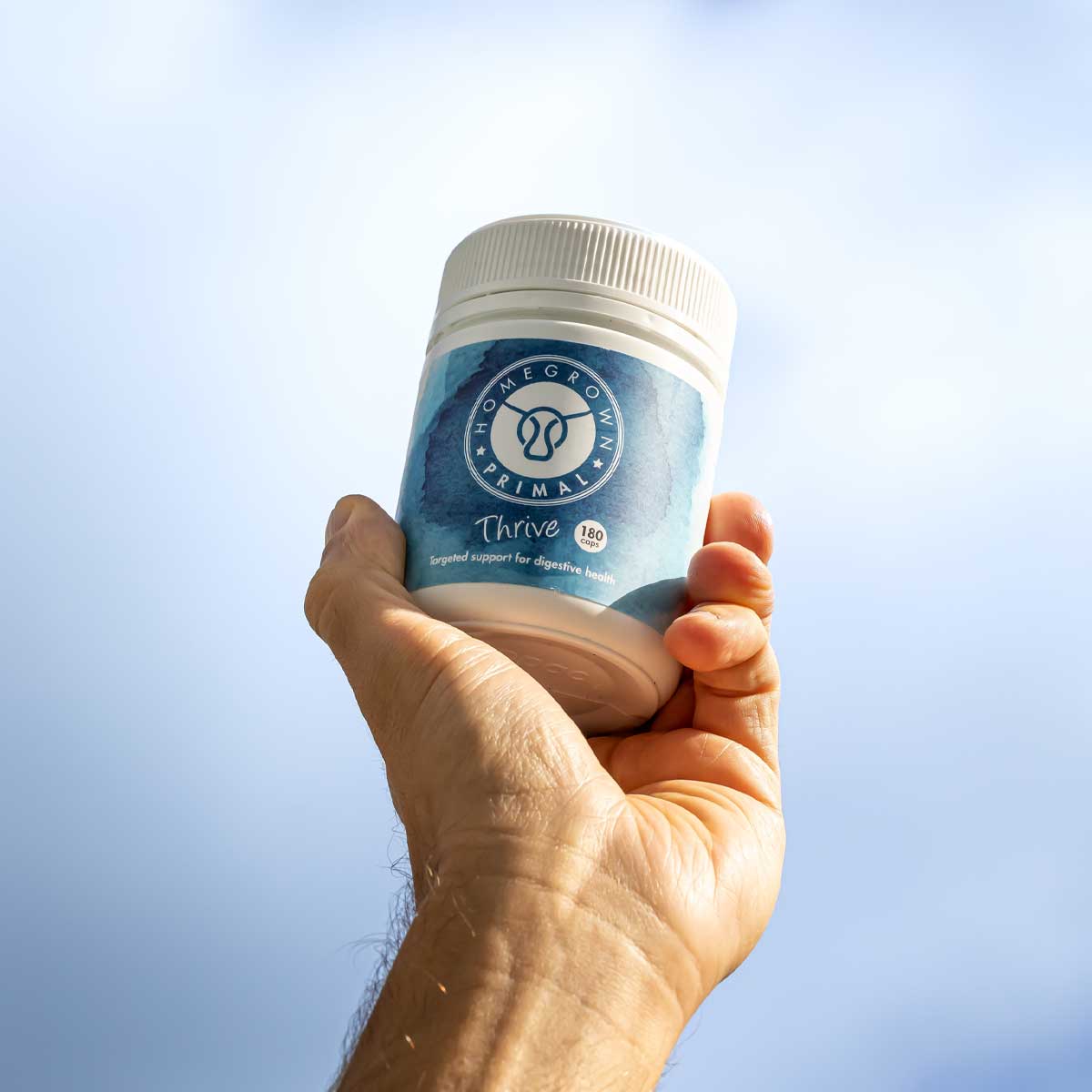
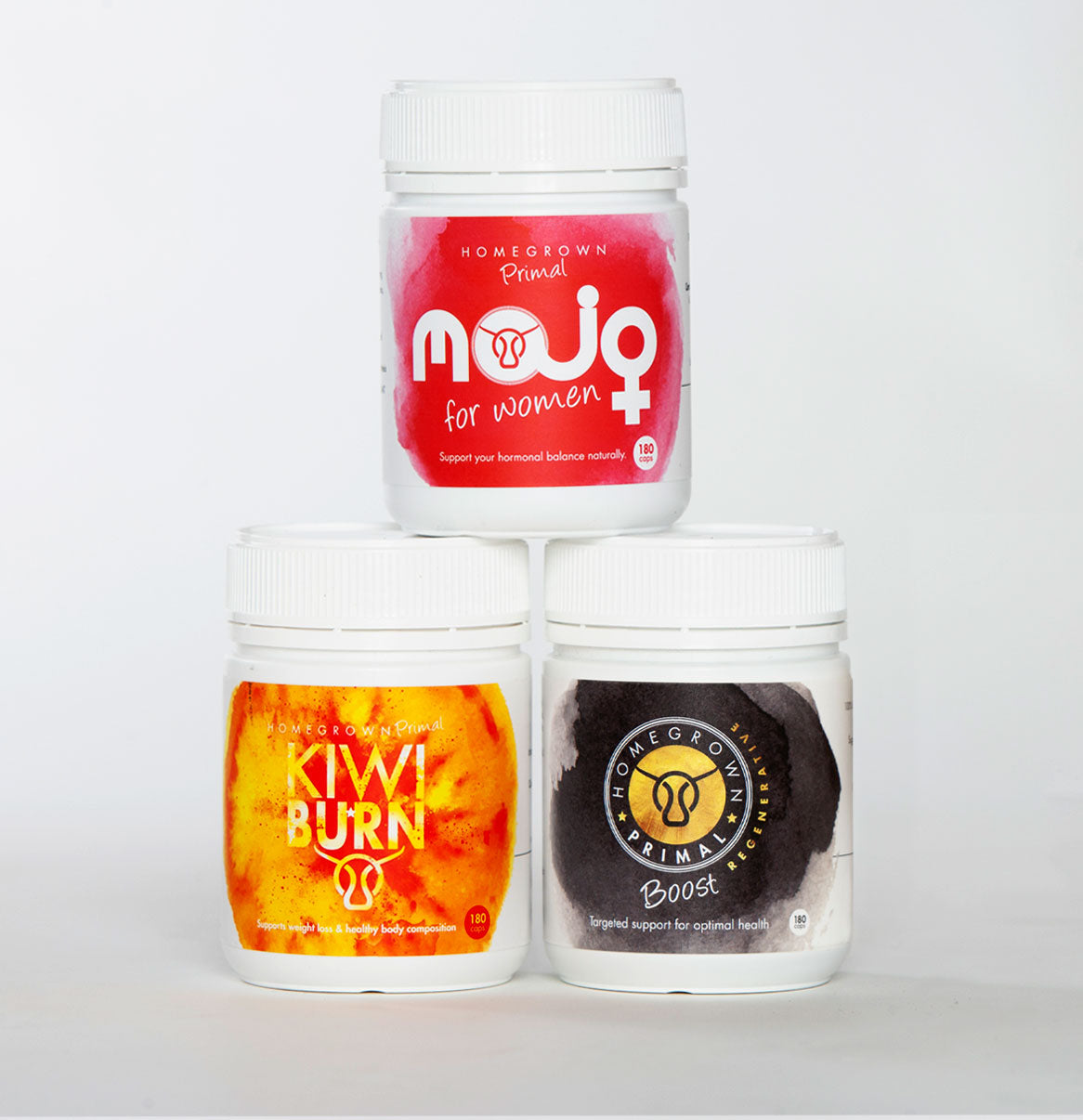
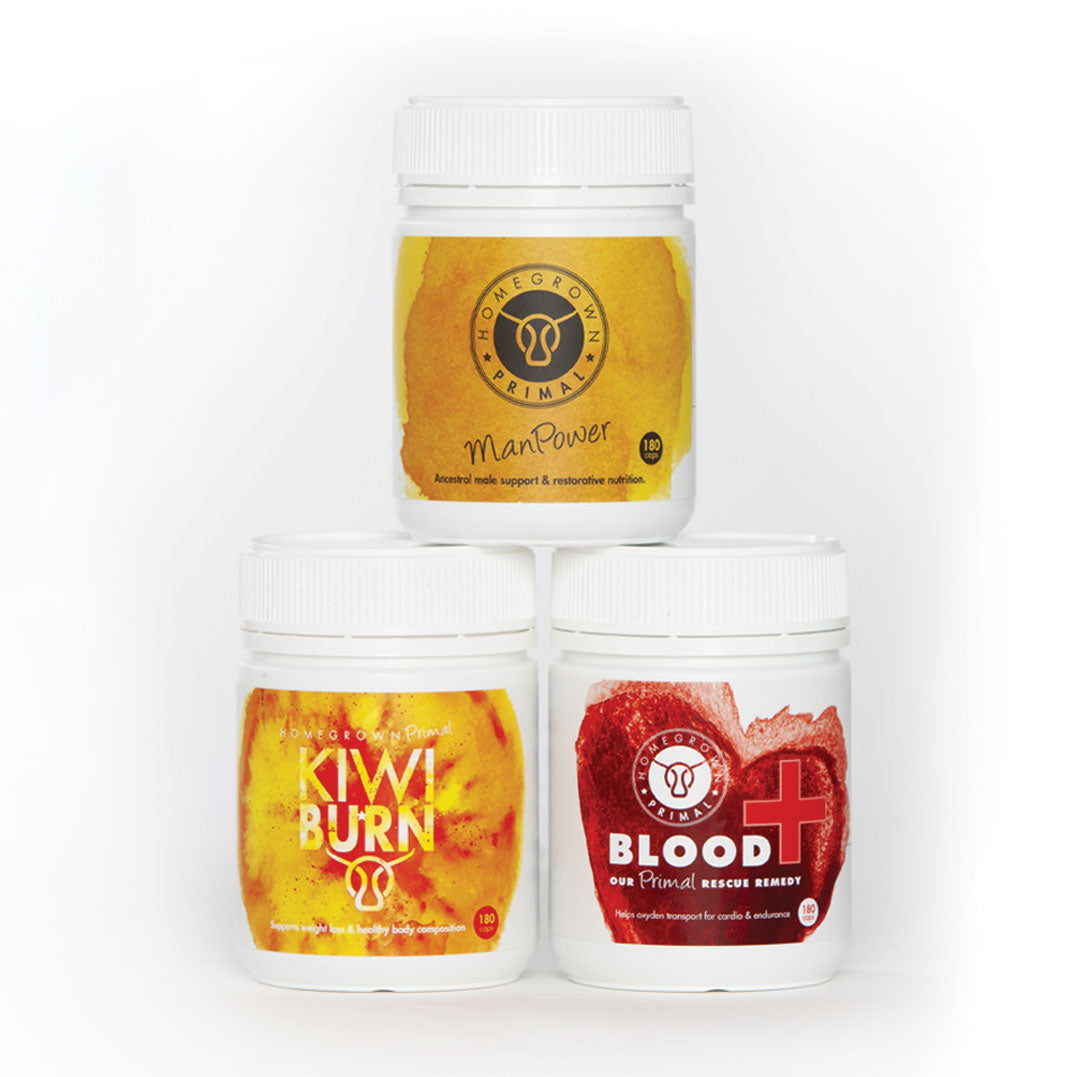
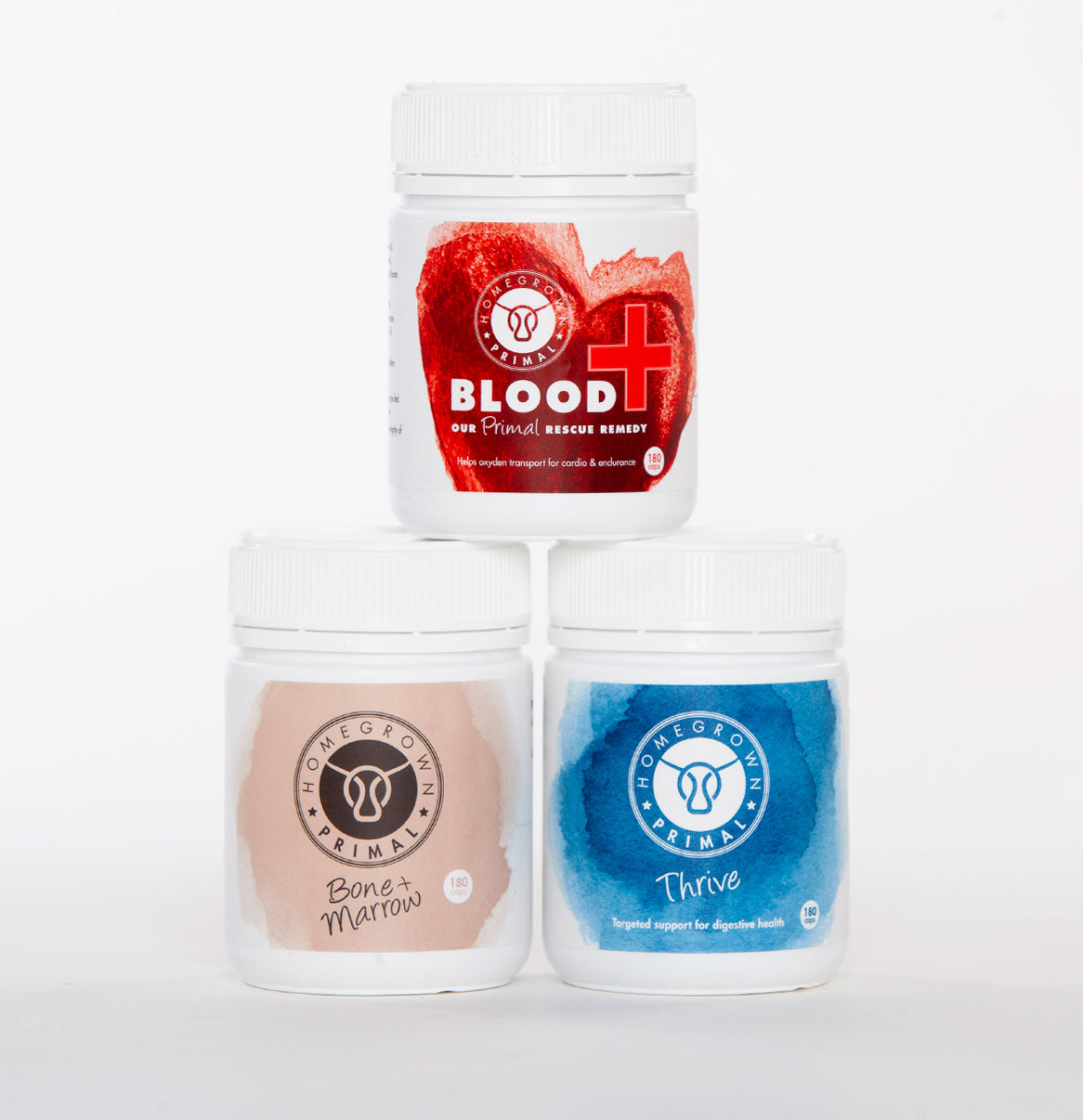
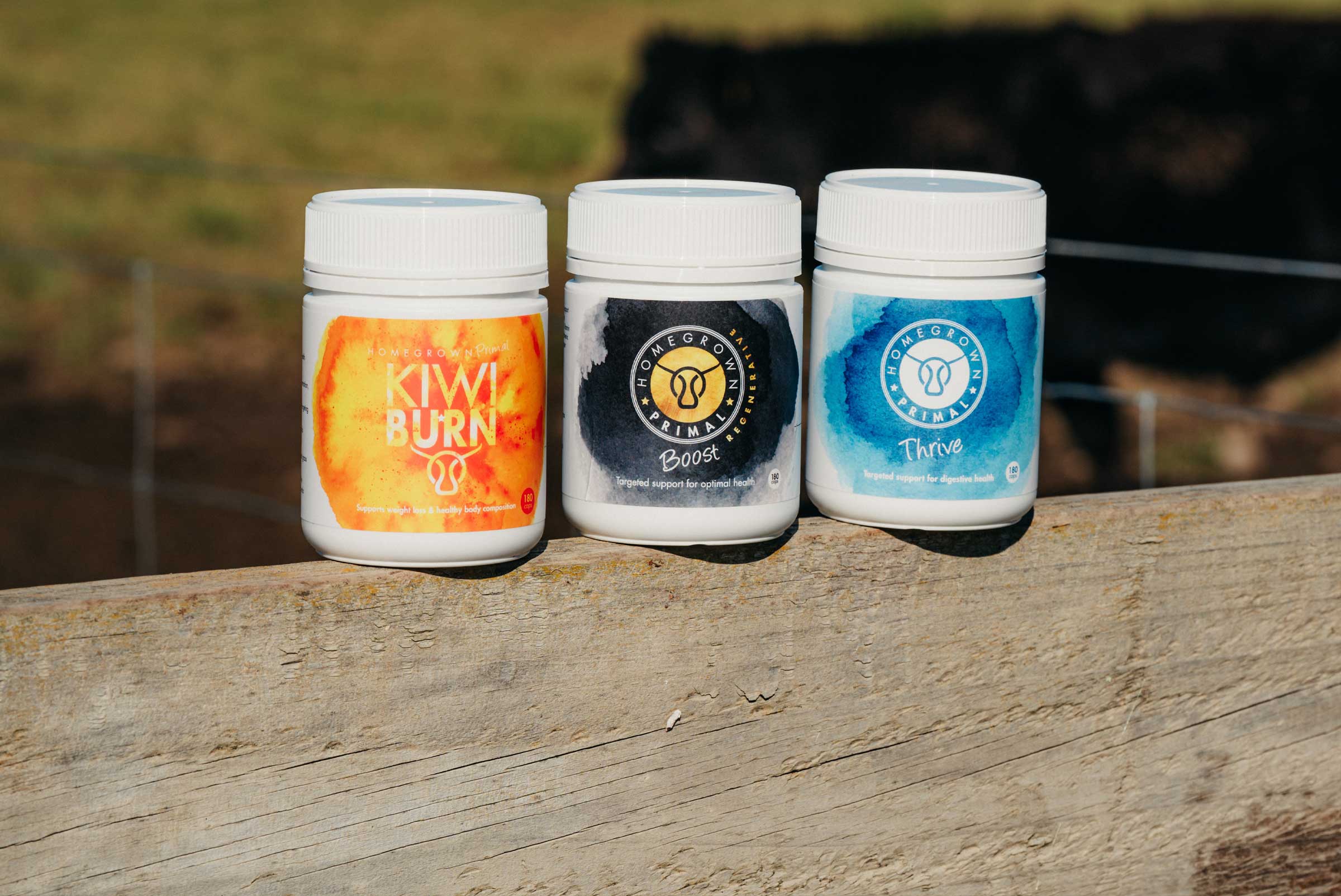
That's exactly why we created Homegrown Primal.
Our freeze-dried organ supplements make it simple to add some of nature's most nutrient-dense foods back into your diet.
They're not designed to replace real food.
They're designed to complement it.
Enjoy your steak.
Cook your eggs.
Slow cook the affordable cuts.
Eat seafood when you can.
And if organ meats aren't part of your weekly meals, our whole-food supplements offer a practical way to reconnect with the nutrition our ancestors valued so highly.
Perhaps It's Time to Redefine Healthy
At Homegrown Primal, we believe healthy eating isn't about chasing the latest food trend.
It isn't about buying into the latest promise on supermarket packaging.
It's about nourishing your body with foods that have sustained humans for generations.
Our ancestors didn't understand vitamins, minerals or amino acids.
They didn't need to.
They simply ate the foods that allowed them to grow, repair, reproduce and thrive.
Perhaps we've made nutrition far more complicated than it ever needed to be.
Maybe the future of health isn't found in another processed "health food."
Maybe it's found by returning to the foods that nourished us from the beginning.